




 English (pdf)
 Article in xml format
 Article references

 Automatic translation
 Send this article by e-mail
 Cited by SciELO
 Cited by Google
 Similars in
SciELO
 Similars in Google

 Permalink


Introduction
Chronic myeloid leukemia (CML) is a hematological disorder, mainly associated (in more than 95% of cases) with a reciprocal translocation between chromosomes 9 and 22, known as the Philadelphia chromosome, which gives rise to the formation of the BCR/ABL1 hybrid gene responsible for the pathogenesis of the disease due to its increased tyrosine kinase activity, which generates excessive production of leukocytes, accumulation of myeloid cells and precursors1,2. It represents 15% of hematologic neoplasms in adults3, with an annual incidence of 1.5 cases per 100,000 individuals4 with a median age of 67 years5 and with a ratio of 2.2 males per 1.4 females4.
The introduction of tyrosine kinase inhibitors (TKIs) in 2006 revolutionized the treatment of CML, increasing the 5-year survival rate from 22% to 80%6-8, markedly improving quality of life9 and dramatically changing its prognosis to the point where treatment can discontinue when the patient achieves a deep and stable molecular response over time10. Imatinib has become the standard first-line therapy CML in chronic11, accelerated, and blastic phases12; it has demonstrated hematologic, cytogenetic, and molecular response rates of over 90%4; a response that in turn has been strongly associated with adherence to drug treatment12,13.
The fact of not having adequate pharmacological adherence, defined as the period elapsed from the beginning to the premature discontinuation of treatment14,15by the decision of the patient or for reasons beyond the patient's control15-17; represents one of the main reasons for not achieving therapeutic success18,19, increased disease progression, risk of resistance and higher mortality rates4,20,21.
Although drug adherence to imatinib has been analyzed in several studies, its prevalence and associated causes are widely variable3,4,12,14,16,22because sociodemographic, economic, and pharmacological factors have been dynamic and interrelated22; however, the main are adverse effects, untimely access to treatment, lack of knowledge of the therapy and the disease by the patient3,4,12,22-26.
Some studies have shown the specific approach and intervention of this undesirable event through multiple methods, among which the history of medication claims in pharmacy has been considered relatively objective27-29. Some experiences show how drug claim rates increase after the detection of inconsistent patients through lists generated by the pharmacy, impacting their correction through the evaluation of the causes and the establishment of resolution measures for each one of them30-32.
Accordingly, the present study was designed to determine the prevalence of non-adherence, the associated causes, the proportion of patients who improve this inappropriate compliance and its explanatory variables.
Methodology
A retrospective, observational, cross-sectional analytical study was performed. The population were patients attended by a health institution, diagnosed with CML, and on treatment with the generic imatinib, dispensed by a health institution between August 2018 and December 2022.
Dependent variable: Pharmacological adherence status. Patients who do not claim their medication in a timely and systematic according to the periodicity indicated in the medication guideline are considered non-persistent.
Independent variables: Age, gender, type of insurance, schooling, polymedication (5 or more concomitant medications), multimorbidity (3 or more concomitant pathologies), city of residence, daily doses, time on treatment, history of non-adherence.
Other variables to describe: Causes of non-adherence, the origin of the causes (administrative: the patient is not involved; patient: the patient has a direct relationship with the cause), intervening cause, and non-adherence improvement.
The information necessary to carry out the study was extracted from a database with information on outpatient pharmacy claims and pharmacotherapeutic follow-up and notes of pharmacists in the history clinical of a health institution. The institution carries out a standardized process to manage and intervene in the non-timely claiming of the drug. The patient's non-adherence is identified automatically through algorithms that are applied to all medications regardless of their claim frequency. Then, pharmacists call the patients to identify, manage, and intervene in the causes that originated the non-adherence. The group of patients finally contacted constitutes a convenience sample according to the availability of the patients and the number of professionals dedicated to the contact work. A patient with consecutive monthly prescription claims for generic imatinib was considered adherent and the treatment adherence was calculated using the Morisky Green test applied by the pharmacist. A digital capture system was used to collect the information, which offered the advantage of validating and superimposing the data entered during the pharmacist's consultation, thus providing greater accuracy and quality of the data, and allowing interfacing with the Excel program, thus reducing typing errors.
A univariate analysis was performed in which absolute and relative frequencies (simple and cumulative) were used for qualitative variables, and for quantitative variables summary measures such as central tendency (mean), dispersion (range, interquartile range, standard deviation) and position (median and quartiles). We worked with a power of 80%, confidence of 95%, and an alpha error of 5%. The Kolmogorov-Smirnov normality test was performed for quantitative variables. During the bivariate analysis, the t-Student hypothesis test was used to compare dichotomous qualitative variables and quantitative variables that were normally distributed (Mann-Whitney U if the quantitative variable was not normally distributed). For the multivariate analysis, binary multiple logistic regression was used for explanatory purposes, considering those variables that were statistically significant during the bivariate analysis, met the Hosmer-Lemeshow criterion, or were defined as relevant by the clinical criterion of the subject matter expert. The R Core Team (2021) statistical package was used.
Results
During the observation period, 315 patients with a diagnosis of CML and treatment with first-line therapy generic imatinib were analyzed, with a mean age of 52±17 years, where the youngest was 9, and the oldest was 98 years old. The male-to-female ratio was 1:1, 98.4% were affiliated to the contributory health regime, 72.5% had maximum secondary schooling, 96% had a daily dose of 400 mg or less, which implied one dose per day, the median treatment time was 250 days [RIC 97-362], 11% were polymedicated, and 16.8% were multimorbid (Table 1).
Table 1 Characterization of the population.
| Variable | % | p-value | |
|---|---|---|---|
| Age range (years) | 46 - 65 years | 44.4% | 0.07866* |
| 19 - 45 years | 29.5% | ||
| >65 years <18 years | 22.9% 3.2% | ||
| Gender | Male | 52.4% | 0.4308 |
| Female | 47.6% | ||
| Contributory | 98.4% | ||
| Health Regime | Subsidized | 1.6% | 1 |
|
|
15.6% | ||
|
|
56.9% | ||
| Schooling |
|
11.9% 12.5% 3.1% | 0.9979 |
| Polymedicated | Yes | 10.8% | 0.399 |
| No | 89.2% | ||
| Multimorbid | Yes | 16.8% | 0.6593 |
| No | 83.2% | ||
| Range time in treatment | 6 months or less | 38.1% | 0.0002* |
| 6 - 12 months | 35.9% | ||
|
|
14.9% 9.5% 1.6% | ||
| History of non-adherence | With record | 86.0% | 0.00132* |
| No record | 14.0% |
It could be observed that 30.5% were non-adherent in the imatinib claim, the main cause of non-adherence was the lack of specialist appointment for drug formulation (39.6%), followed by the delay in the authorization of the drug by the health insurer (31.9%) and finally, not having the medical formula at the time of dispensing (5.5%) Figure 1. Of the causes detected by the pharmacist, 94.8% were intervened, of which 42.7% were directed to the medical staff, 35.4% to the health insurer's authorization platform and 21.9% to the patient. After the intervention performed, 80% of the patients improved this inadequate compliance (reaching a timely claim every 28±2 days and systematic as a function of time).
During the bivariate or inferential analysis, it was detected that the variables age (p-value: 0.00073), time on treatment (p-value < 0.00000) and having a history of non-adherence (p-value: 0.00133), presented a statistically significant association, which were included in the multivariate model, where it was shown that the crude measures of strength of association (OR) behaved as risks of non-adherence and continued to be statistically significant. When adjusting the model for the other variables, they continued to behave as risks of non-adherence (Table 2). The multiple logistic regression model for explanatory purposes aims to obtain the value contributed by each individual variable on the dependent variable, adjusting for the effect of the other covariates.
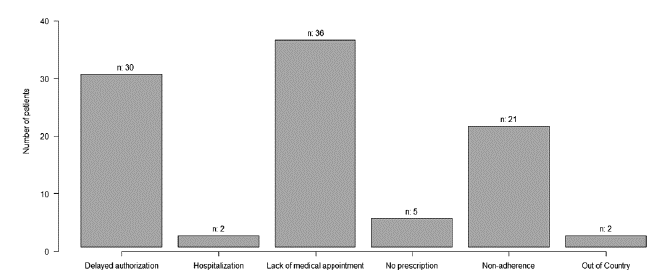
Table 2 Relationship between pharmacological non-adherence and associated individual variables.
| Variable | Crude OR* [95% CI] | p-value | Adjusted OR** [95% CI] | p-value |
|---|---|---|---|---|
| Age range (years) | ||||
| ≥65 years | 4.14 [1.03-16.9] | 0.04202 | 3.49 [0.81-15.1] | 0.08799 |
| 46 - 65 years | 2.11 [0.56-7.95] | 0.25601 | 1.97 [0.49-7.86] | 0.32728 |
| 19 - 45 years | 1.91 [0.49-7.32] | 0.33492 | 1.61 [0.39-6.60] | 0.49486 |
| ≤18 years | 1 | 1 | ||
| Time in treatment | ||||
| ≤6 months | 3.82 [1.60-9.15] | 0.002435 | 2.91 [1.16-7.22] | 0.02115 |
| 6 - 12 months | 1.51 [0.65-3.42] | 0.325660 | 1.19 [0.49-2.80] | 0.69133 |
| 12 - 18 months | 0.87 [0.34-2.18] | 0.765257 | 0.69 [0.26-1.82] | 0.46505 |
| 18 - 24 months | 0.51 [0.06-3.51] | 0.493727 | 0.52 [0.06-3.76] | 0.51654 |
| ≥24 months | 1 | 1 | ||
| History of non-adherence | ||||
| With record | 2.97 [1.55-5.72] | 0.00102 | 2.52 [1.26-5.05] | 0.00866 |
| No record | 1 | 1 |
*Simple binary logistic regression for explanatory purposes; **Binary multiple logistic regression for explanatory purposes.
Discussion
In some studies of adherence to imatinib therapy, correlations between poor adherence, reduced failure-free survival and increased healthcare costs have been identified, and a prevalence of drug non-adherence of approximately 11.3 %33-39. In our study, a prevalence of approximately 3 times higher (30.5%) was identified, similar to a study performed by Anderson et al21, in our case which can be explained by the fact that pharmacists do not spend time identifying patients but are identified through an information system allowing the pharmacist to focus solely and exclusively on the management of these pharmacological risks to ensure adherence to treatment and appropriate use of the drug.
Although the most frequent causes associated with pharmacological non-adherence reported in the literature are related to the patient's situations, such as underdosing, not attending medical appointments, forgetting to take the medication, financial difficulties, low social support, lack of patient knowledge, adverse reactions, in our cohort the most frequent causes were related to situations beyond the patient's control or administrative causes4,14,19,22,25,40,41. The most frequent causes were such as lack of an appointment with a specialist to formulate the drug (39.6%), delay in authorization by the health insurer (31.9%), and finally, not having the medical prescription at the time of dispensing (5.5%).
It should be noted that, although the prevalence of non-adherence detected is higher than that reported in the literature, the proportion of patients who improve this inappropriate compliance following intervention by the pharmacist through pharmacotherapeutic follow-up is 80%.
Finally, according to the literature, the sociodemographic variables that most explain pharmacological non-adherence are age, gender, schooling, and monthly income, and the pharmacological variables are mainly the duration of treatment, frequency, dose, polymedication, and comorbidities4,21,22,25,39,40. These results were like those identified in our study, where in addition to these variables, having a history of non-adherence was also relevant when evaluating the possibility of pharmacological non-adherence. Some studies suggest that the generic imatinib may have higher adherence rates, associated with the cost of the drug and out-of-pocket costs. However, in the Colombian health system, the health insurer covers this drug and the patient's out-of-pocket cost is relatively low42.
Since this is a retrospective study, it has some limitations, such as the omission of important measurements or whether the data capture was adequate, as well as the possibility of selection bias or misclassification. However, an attempt was made to control for selection bias by including 100% of the available records and for information bias by excluding variables with a data loss of more than 10%. In addition, potential confounders were controlled by applying adjusted models (multivariate analysis).
Conclusions
The prevalence of non-adherence in patients diagnosed with CML and on treatment with generic imatinib is higher than that reported in the literature, the causes associated with this pharmacological risk are mainly administrative (external to the patient) and the people at greatest risk of presenting this health outcome are those who are older, have been on treatment for less time and have a history of non-adherence to other drugs. It is important to carry out other studies with other methodological designs to identify other causes associated with the non-claiming of medications in a timely.

