


 English (pdf)
 Article in xml format
 Article references
 Automatic translation
 Send this article by e-mail
 Cited by SciELO
  Cited by Google
  Similars in
SciELO
Similars in
SciELO  Similars in Google
 Permalink
Introduction
The practicum is a fundamental and enriching component of undergraduate teaching programs in Colombia, designed to prepare future educators, commonly referred to as pre-service teachers. During this stage, pre-service teachers encounter the challenge of teaching in an authentic classroom environment for the first time. This experience allows them to identify and analyze classroom challenges, engage in reflective practice, and develop potential solutions to these issues. As reported by Lee (2007), reflection is an essential and ongoing process throughout the teaching journey. This is particularly significant for pre-service teachers, as reflective practice enables them to “become more aware of themselves as would-be teachers and of the pedagogical context that impinges directly on teaching and learning” (Lee, 2007, p. 321). Thus, understanding how and what to teach is vital for pre-service teachers.
In the field of English Language Teaching (ELT) in Colombia, particularly within the context of teaching English as a Foreign Language (EFL), ELT is regulated by language policies at two levels. These include the guidelines given by the Ministry of Education-such as the Basic Learning Rights and the Suggested English Language Curriculum-and the institutional textbooks, suggested activities, practice tests, and class materials (Montoya et al., 2020). In addition, Richards (2006) argues that teachers’ language proficiency, students’ learning styles, strategies, and educational contexts determine ELT effectiveness. However, a study carried out by Zambrano and Insuasty (2014) demonstrates that many students continue to rely on traditional teaching methods. The persistent use of traditional methods may contribute to students’ below-average performance in standardized tests and their reduced engagement in classroom activities. These results highlight the complex nature of ELT, where the success of teaching is influenced by the interaction of teacher, student, and contextual elements. Ultimately, ELT extends beyond theoretical constructs and it is deeply rooted in real-world application.
Accordingly, it is imperative for pre-service teachers to explore and implement innovative teaching strategies, moving away from conventional teaching methods that are often traditional, grammar-focused, and teacher-centered approaches. These methods, frequently associated with standard EFL textbooks, may not sufficiently address students’ direct needs and interests, which in turn highlights the critical importance of creating engaging materials. Choi and Lee (2018) noted that “in recent decades, L2 teaching methodologies have shifted from traditional grammar-focused and teacher-centered approaches to more communicative and learner-centered approaches” (p. 176 ). Consequently, this shift implies the development of materials tailored to students’ needs, particularly in ELT contexts.
Therefore, materials development is as essential as pre-service teachers’ beliefs about designing and implementing these materials. According to Graves (2019), there should be a shift from “the conceptual (e.g., defining principles, formulating goals) to the tangible” (p. 337). Thus, bridging the gap between theory and practice becomes challenging, as many pre-service teachers believe they already have the necessary knowledge before entering real classroom settings (González, 2006). However, when pre-service teachers start their teaching practicum, they realize their perceptions and thoughts are far from reality. Given the context outlined previously, our study aimed to analyze the perceptions of pre-service teachers regarding materials development in their practicum as part of the bachelor’s degree program in ELT at Universidad de la Amazonia.
Theoretical framework
Materials development
According to Tomlinson (2003), teaching materials are intended to facilitate the process of language input and output for learners. Consequently, the quality of teaching materials can either enhance or hinder language instruction. To this respect, Tomlinson (2012) expresses that even though the importance of materials development, little attention to its effects and impact has been pointed out in academic research. Similarly, Dettori (2011) highlights that materials development is a field of research aimed at strengthening theoretical and pedagogical foundations to improve the educational materials that play a central role in language teaching and learning. Therefore, materials development connects research and theory (Richards, 2006). Additionally, Harwood (2010) emphasizes that different issues must be carefully analyzed when designing and developing materials. Given these considerations, materials development remains a critical issue governing the effectiveness of the teaching process and the students’ learning outcomes.
Numerous scholars have emphasized the importance of developing teacher materials that consider students’ needs and realities to create an effective teaching environment (Oviedo & Álvarez, 2019; Ramos & Aguirre, 2014; Nartiningrum & Nugroho, 2020). Specifically, Oviedo and Álvarez suggest that tailoring lessons to second language acquisition principles and including cultural content improves language learning and communication. Additionally, addressing diverse learning styles and integrating effective learning contribute to the improvement of EFL education. Along the same lines, Kiely (1996) states that pre-service teachers begin their professional development by focusing on producing materials during their practicum. Tomlinson (2023) further highlights that as teachers increasingly recognize the need to assess, adapt, and produce materials that cater to their students’ needs and preferences, they contribute significantly to the conceptualization and research on this topic. Setyowati and Sukmawan (2019) emphasize that the use of authentic materials aids students in language acquisition. This underscores the vital role of designing and selecting appropriate teaching materials for professional growth (Núñez & Téllez, 2009). Consequently, evaluating students’ learning processes is essential to assess the effectiveness of materials and make improvements accordingly.
Similarly, Duarte and Escobar (2008) emphasize that using adapted materials should be a priority in our classrooms to expose students to common and familiar situations that challenge them in their learning process. Mosquera (2023) supports this perspective by emphasizing that using teacher-made materials grounded in contextualized content enhances the meaningfulness of learning activities, thereby improving language acquisition. This approach, which integrates context and student interests, creates personalized learning experiences to address students’ needs and enhance their motivation, participation, and learning (Valdez, 2020). Moreover, Aguilar-Cruz and Medina (2021) stress it is essential for teachers to know about the management of technological platforms to improve their teaching processes. This view is echoed by Sert and Li (2019) who note that technology in education maximizes the benefits for both teachers and students by providing authenticity in materials, facilitating students’ learning, and addressing students’ and teachers’ interests. As a result, the careful selection, adaptation, or creation of appropriate materials for the English classroom becomes a crucial task for both pre-service and in-service teachers alike.
Additionally, research has demonstrated that understanding the cultural dimensions of EFL materials is essential for developing more inclusive and relevant teaching resources. Núñez-Pardo and Téllez-Téllez (2021) discuss the importance of integrating cultural components into teacher-generated EFL materials, arguing that such integration can challenge cultural hegemony and provide a more nuanced and meaningful learning experience. They emphasize that materials reflecting diverse cultural perspectives can enhance students’ engagement and cultural awareness (Núñez-Pardo & Téllez-Téllez, 2021). Similarly, Oviedo-Gómez (2024) explores the tensions in EFL textbooks related to critical interculturality, highlighting how these resources can both reflect and perpetuate cultural biases. Oviedo-Gómez (2024) advocates for a more critical approach to textbook content to address these tensions and promote intercultural understanding. Núñez-Pardo (2022) examines the colonial and decolonial aspects of Colombian-authored EFL textbooks, revealing how colonial legacies influence textbook content and calling for a critical re-evaluation of these materials to foster emergent decolonial perspectives. Together, these studies highlight the need for EFL materials that not only reflect but also critically engage with cultural issues, promoting a more equitable and reflective teaching practicum.
Pre-service teachers’ perceptions
Perception refers to the process by which individuals interpret and make sense of sensory information from their environment. It involves cognitive and emotional processes through which people understand and evaluate their experiences, beliefs, and surroundings. In educational contexts, perception relates to how teachers or students interpret their experiences and practices, which can significantly influence their attitudes, behaviors, and effectiveness in teaching and learning.
Hence, pre-service teachers’ perceptions play a crucial role in shaping their teaching practices and professional development. In this regard, Zheng (2009) reviews research on EFL pre-service teachers’ beliefs and practices, highlighting that their perceptions significantly influence how they implement teaching methods and materials. These beliefs often reflect their understanding of effective teaching strategies and classroom management. Addressing recent challenges, Aguilar-Cruz and Medina (2021) explore pre-service English teachers’ perceptions of their online teaching practices during the pandemic, revealing that their experiences were marked by both challenges and adaptations. Their study emphasizes how perceptions of online teaching environments impacted their engagement and effectiveness. Understanding these perceptions helps in shaping teacher training programs to better address pre-service teachers’ needs and enhance their readiness for diverse teaching contexts.
The teaching practicum
The practicum at the Universidad de la Amazonia is a key component for students in their final semesters within the Faculty of Education Sciences. For students enrolled in the English Teaching Program, the practicum is divided into two phases: Practicum I, which focuses on primary education, and Practicum II, which targets secondary education. These phases are conducted during the 7th and 8th semesters, respectively. This process is governed by Agreement No. 32 (September 5th, 2018), which outlines the General Guidelines for the development of the Internship Program for the bachelor’s degree Programs of the Faculty of Education Sciences.
According to Agreement No. 32, the internship program emphasizes research that involves observation, problematization, and innovation. As a result, the teaching practicum plays a crucial role in developing practical and reflective teachers who are adept at recognizing and addressing real pedagogical and educational contexts.
Globally, including in Colombia, pre-service teachers are undergraduate students who are beginning their teaching practicum. Zhen (2009) observes that pre-service teachers have significant potential for classroom transformation as they embark on their teaching careers. Similarly, Pittard (2003) highlights that this period provides pre-service teachers with their first opportunity to self-analyze their teaching identity. Thus, pre-service teachers are regarded as agents of change, applying their learning from teacher training while remaining mindful of their students’ needs. This reflection and self-assessment are essential for their professional growth and the enhancement of their teaching practicum, which is a fundamental aspect of their role.
Method
Our study was framed within the qualitative research methodology, as it focused, in line with Merriam and Tisdell (2015), on processing, understanding, and giving meaning to the data gathered through a richly descriptive analysis process. Furthermore, our study was designed as a case study given that case studies aim to conduct an in-depth investigation of a phenomenon. According to Merriam and Tisdell (2015), case studies involve the inquiry of a problem within the real context and its participants. Similarly, Creswell (2012) states that a qualitative case study allows for exploring the information collected from a given case and discovering issues involving different factors. Based on these foundations, we decided to conduct a qualitative case study as it allowed us to answer our research question: What are pre-service teachers’ perspectives on materials development procedures during their practicum in high school contexts? Accordinly , we developed the following phases:
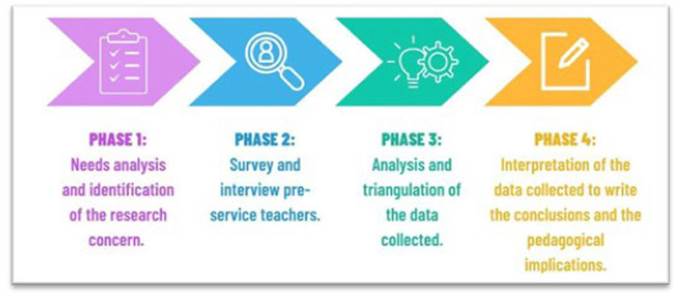
Phase 1: During this phase, we identified the importance of creating materials and variations of the materials developed by the pre-service teachers. This encouraged us to further explore this process and the factors that influence it. As a result, this case study emerged from these insights.
Phase 2: During this phase, we conducted interviews and administered surveys to pre-service teachers to identify their beliefs about materials development. Additionally, we collected the weekly reflection forms as part of the data-gathering process. Subsequently, we requested the participants involved in this research to complete the informed consent form.
Phase 3: After collecting the data, we proceeded to analyze and interpret it using grounded theory.
Phase 4: In this final phase, we drafted the conclusions and pedagogical implications.
Context and participants
Universidad de la Amazonia is a state university located in Florencia, Caquetá, in the south of Colombia. Among others, this university offers a bachelor’s degree program in ELT whose students, in the seventh and eighth semesters, must develop their practicum I and II, respectively. Practicum I is in primary school settings (grades 1 to 5), while Practicum II is in high school settings (grades 6 to 11). This process is regulated by Agreement No. 32 (September 5th, 2018), which states that the practicum promotes research in which the observation, problematization, and innovation phases are involved. In this way, the practicum contributes to training practical and reflective teachers who can teach in real pedagogical and educational contexts.
According to Rosas et al. (2018), “the practicum component of a teacher education program has an important impact on novice teachers’ future careers” (p. 67), as it provides their initial exposure to the educational environment. During this phase, pre-service teachers encounter real-world situations with actual students, presenting challenges that help them develop the necessary competencies to address various potential issues. Therefore, practice and reflection become integral to their growth, allowing pre-service teachers to view themselves as educators engaged in continual experimentation, problem-solving, adaptability, and self-analysis, as noted by Roberts et al. (2021). All in all, the practicum serves as a vital platform for pre-service teachers to assess and enhance their teaching practices.
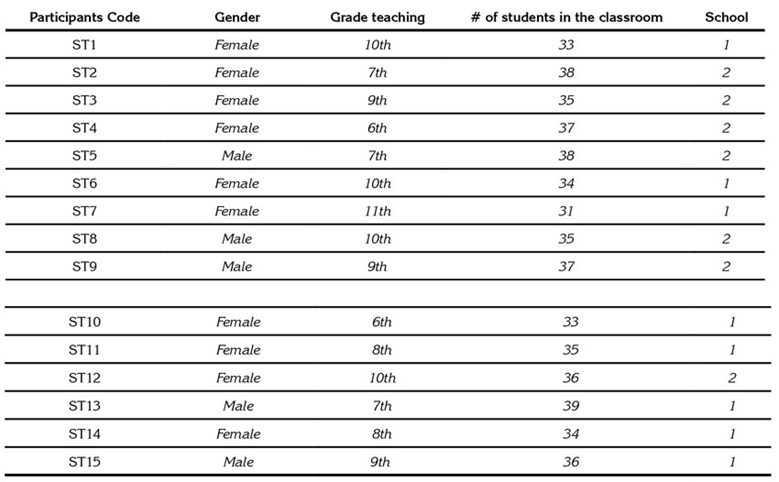
In this sense, our study was conducted with 8th-semester students enrolled in the undergraduate ELT Program at Universidad de la Amazonia who were developing the practicum II. A total of 15 students from this semester were enrolled in this study, whose ages ranged from 21 to 25. The participants were informed of the purpose of the inquiry and methods and signed informed consent. Given the qualitative nature of the data, the students’ names were anonymized (see Table 1). The participants did their practicum in two different schools. Both School 1 and School 2 had an average of 2,540 and 2,100 primary and high school students, respectively, from low- and middle-income families.
Data Collection Instruments
We selected three data collection instruments: interviews, surveys, and artifacts. These tools supported us in identifying, describing, and determining pre-service teachers’ perspectives on materials development during their practicum in high school settings.
Interviews
Interviews are a tool that allows researchers to collect information or data through guided questioning (Creswell, 2012). During our study, we conducted semi-structured interviews, which enabled us to gather narratives from pre-service teachers regarding the steps they took to design their teaching materials. Sample questions included: (1) What is your concept or definition of “Materials Development”? (2) Do you design your own materials or do you take texts from English textbooks? Explain why. (3) What criteria do you use to choose materials from the internet or English books? (4) What is the process you follow to develop materials for English language teaching? (5) What do you think was the impact of the materials you designed during the practicum on your students’ learning? These interviews provided information to deeply know the processes that took place in the classroom while pre-service teachers developed their practicum.
Survey
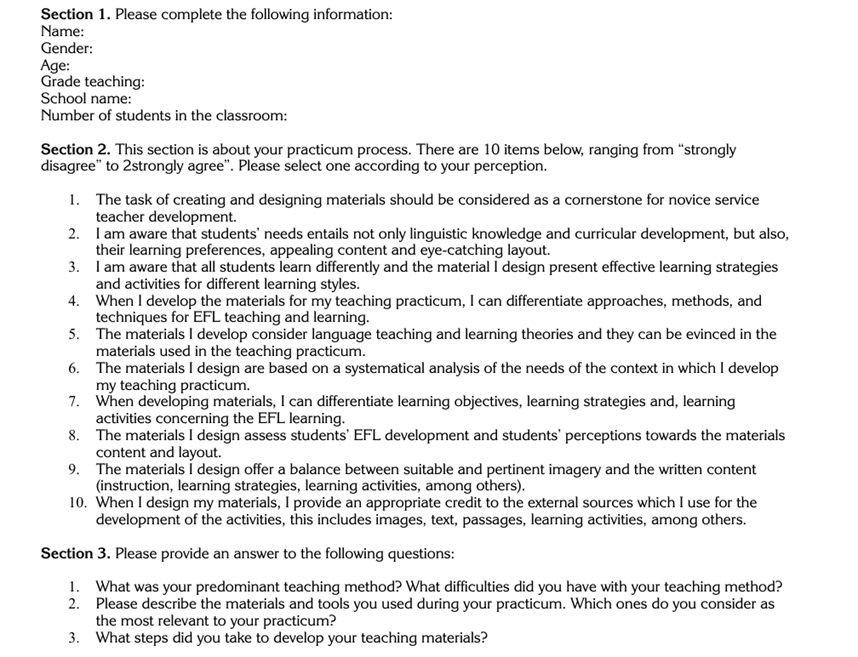
Surveys are one of the most practical and effective data collection tools, as they allow opinions, beliefs, and views to be recorded (Creswell, 2012). Therefore, an online survey was used to collect specific data on the beliefs and criteria in materials development of the pre-service teachers involved in this research. In this sense, the data collected in the survey allowed us to analyze participants’ beliefs on materials development and the procedures they carried out to develop, adapt, and implement materials in their practicum. Finally, the survey allowed us to demonstrate the limitations presented in the materials development process, evidencing the contrast between the perception of the participants and the school context. The survey contained 10 five-point Likert scale items (See Appendix I).
Artifacts
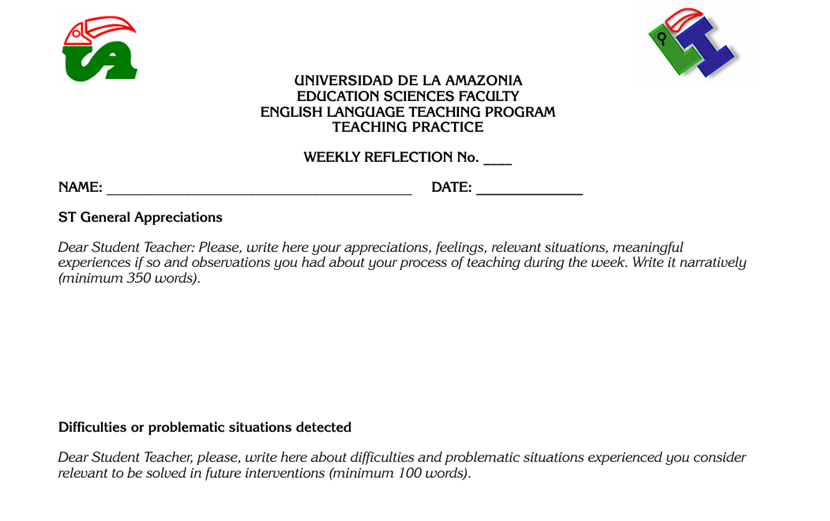
Artifacts are the oral, written, visual, or manual productions created by students that demonstrate the development of language interaction during the activities they have undertaken (Suárez & Rodríguez, 2018). Similarly, Creswell (2012) identifies artifacts as essential forms of data, including oral, written, visual, or manual productions (Creswell, 2012). In this sense, in our study, the artifacts were the weekly reflection formats that the pre-service teachers completed during their practicum. These weekly reflections allowed the pre-service teachers to describe their enriching, challenging, and satisfactory experiences in the classroom, considering the progress of the class and the materials used (See Appendix II).
Analysis and findings
Data analysis was conducted using grounded theory (Creswell, 2012). Initially, we coded the 15 participants as ST1 to ST15, using their student abbreviation and corresponding turn number from the interviews. Next, we employed an open coding process, utilizing data from surveys, interviews, and artifacts. This process involved classifying data into main themes relevant to our research question. Then, an axial coding process integrated all main concepts from our data instruments, leading to the emergence of research categories. These categories were further developed into theoretical constructs through detailed discussion and analysis using selective coding. Finally, we verified these constructs using a constant comparative method to identify similarities and differences.
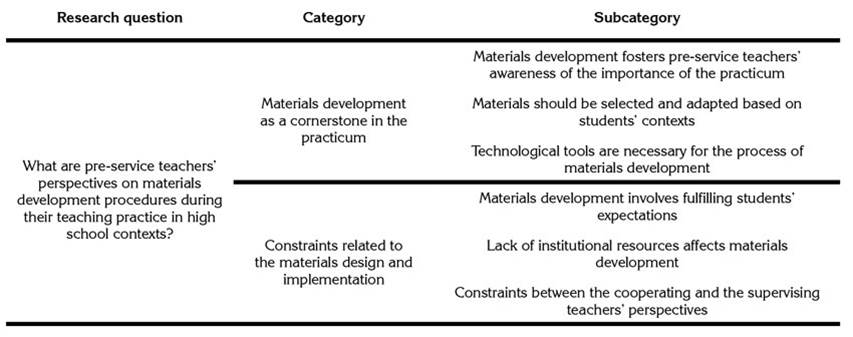
In our analysis, two categories emerged with three corresponding subcategories (see Table 2). The first category is related to pre-service teachers’ perceptions regarding materials development, while the second category highlights the limitations in the design and implementation of the materials. These findings are supported by excerpts from the surveys, interviews, and weekly reflections of the pre-service teachers.
Category 1. Materials development as a cornerstone in the practicum
Two critical factors were identified. The first relates to the pre-service teachers’ main beliefs regarding the importance of developing materials in their practicum. The second concerns the criteria they considered to carry out the materials design and implementation process. These two factors will be discussed in more detail in the following sections.
Materials development fosters pre-service teachers’ awareness of the importance of the practicum
In Colombia, teachers increasingly recognize materials development as a significant field of study, which provides them with the knowledge that contributes to the contextualization of materials, enhancing the teaching and learning process (Ramos & Aguirre, 2014). Likewise, 6 of the pre-service teachers surveyed strongly agreed, and 7 agreed that the design and creation of materials is a cornerstone in their training process, influencing their practicum. Regarding the development of materials, some participants argued the following:
Based on my own experience, the development of materials encompasses not only the creation of an element that facilitates learning, but also a strategy that starts from an objective, which has a process of analysis, design, and adaptation according to the context. (ST1-Interview)
I consider that materials development is crucial to facilitate and improve the teaching and learning process. It is everything we use to customize and implement materials that fit the current and future needs of learners in the context in which they are immersed. (ST4-Interview)
However, the pre-service teachers recognized that materials development did not involve designing them from scratch with their ideas. They became aware that materials development implies, as Lee (2007) proposed, a reflecting process to select and adapt these materials from other sources. Pre-service teachers commented in the interview:
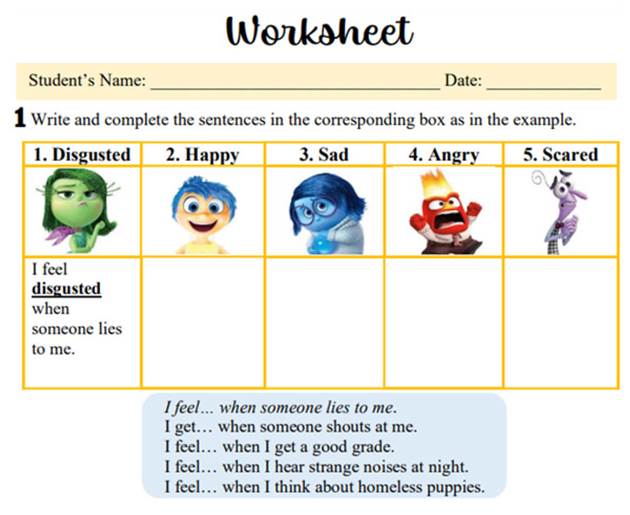
I have created most of the materials based on a previously realized idea, ideas from Pinterest, from other teachers, or channels that provide illustrations of materials. Clearly, the materials cannot be applied as they were designed. What I have done is to look at the design, and adjust it to the content, the context, and the functionality it could have or take place in the classroom. (ST3-Interview)
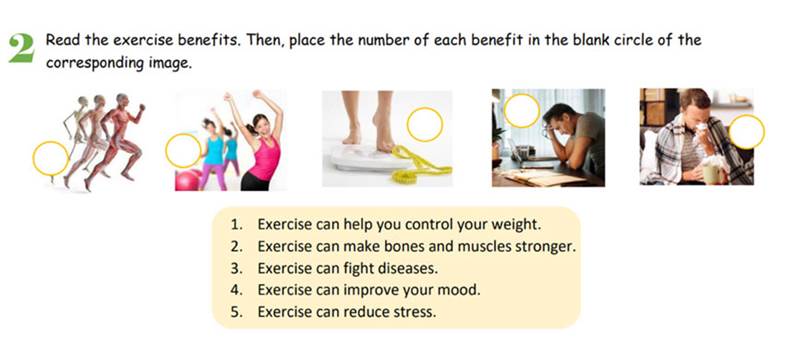
I generally take texts from textbooks-material provided by the MEN and its national bilingualism program-because that material is provided with the objective of helping teachers in class planning, saving time, and providing students with quality material, I also make texts when the activity or topic requires information contextualized to the students’ environment. (ST6-Interview)
As can illustrated in Figures 2 and 3, the worksheets reflect the process described by ST3, where materials were created by adapting existing ideas from different sources, such as Pinterest and an EFL book. These original designs were not used in their original form; instead they were carefully adjusted to fit the specific content, context, and functionality needed for classroom use.
The pre-service teachers recognized that the types of materials they adapted significantly influenced the students’ understanding of the topics and their commitment to learning. Regarding contextualized materials, Harmer (2012; as cited in Ramos & Aguirre, 2014) affirms that “students engage in content which is often about themselves and their lives and in this way they learn better” (p. 135). Accordingly, 14 of the pre-service teachers surveyed indicated they were aware that their students learn differently and that the materials they designed included effective strategies and activities for different learning styles. This means the pre-service teachers knew the importance of materials development in their practicum.
Materials should be selected and adapted based on students’ contexts
Materials development is an aware process in which teachers consider specific criteria to select and adapt different resources. In this way, teachers can ensure that the materials are appropriate for their classes. However, as stated by Harwood (2010) , materials designers face several competing demands to make materials suitable for a wide range of teachers and students. In this respect, Núñez and Téllez (2015) argued that teachers not only discover their potential to create, adapt, or evaluate but also gain experience when developing materials, providing them with self-confidence in the teaching processes. Therefore, gaining confidence in this area is necessary for pre-service teachers.
Accordingly, our survey results showed that 10 of the pre-service teachers strongly agreed, and 6 agreed, that they considered linguistic knowledge, curriculum development, and their students’ learning preferences when designing their materials, creating appealing content, and eye-catching layouts. This corroborates Dettori’s (2011) standpoint about having a clear material selection criterion. As some of the participants mentioned during the interviews:
Depending on whether there are children or teenagers, I also look for how striking or creative the material is, the type of colors and typography it shows, and how well it matches students’ previous learning or if it is easy to understand at the moment so as not to fall into extensive explanations or in the worst case, a failure activity. (ST3-Interview)
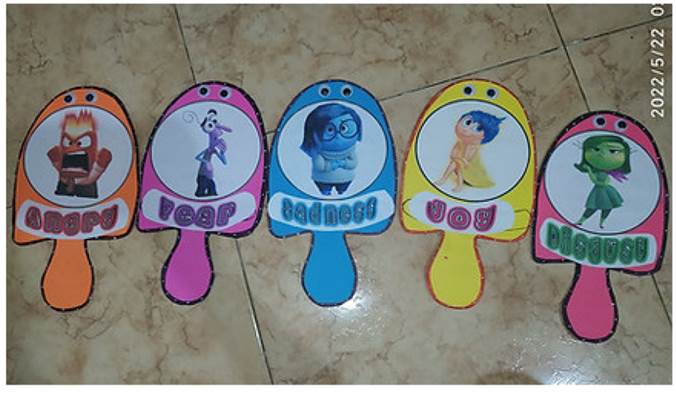
The criteria I use when designing materials are the following: materials must be resistant, good quality, and reusable, they strengthen the English skills according to the objective of the activity. They should be attractive, eye-catching, dynamic, and creative for the population. Also, I take into account the time to implement the materials. (ST2-Interview)
As illustrated in Figure 4, the classroom material designed by a pre-service teacher reflects the thoughtful consideration of creating materials that are resistant, of good quality, and reusable, while also strengthening English skills according to the objectives of the activity.
The pre-service teachers also adapted materials from other sources, providing appropriate credit to the external sources, such as images, texts, and learning activities, among others, that they used to develop their materials. This was also found in the interview:
As educators, we can take into consideration material that is already established on the web and adapt it to our way of teaching, without disregarding the rights of the original authors. In this way, a balance is found between what is new and what has already been developed to assemble a set of materials to teach appropriately. (ST5-Interview)
The previous evidence exemplifies that the pre-service teachers understood that they needed to consider their students’ contexts to develop appropriate materials to implement in their practicum. This involves being aware of the criteria to select and adapt these materials.
Technological tools are necessary for the process of materials development
It is well established that technology has gained significant importance in education worldwide, particularly following the COVID-19 pandemic, which necessitated a shift to virtual learning. Initially, virtual classes were not highly regarded by pre-service teachers; however, as they immersed themselves in virtual learning, they discovered the potential of each technological tool (Aguilar-Cruz & Medina, 2021). Consequently, pre-service teachers continued to use technological tools to develop materials aimed at increasing interaction and gamification in the classroom. In line with this, it is evident that students are highly attracted to these materials as they appear more interactive and personalized, offering a more engaging way to practice communication skills compared to traditional methods (Tomlinson et al., 2000). Some pre-service teachers in the survey highlighted this:
Audio-visual materials were predominant and relevant because students preferred them. (ST11-Survey)
Most of the time I used online tools such as Who Wants to be a Millionaire, Hangman, among other interactive activities that gave a sense of innovation to the class. I believe they were all relevant in their own way. (ST13-Survey)
The tools employed in most of the classes were digital, and only 3 times I had to use materials such as cardboard, markers, etc. But the most relevant were the digital ones, such as the TV, computer, etc. (ST15)
Technological tools have paved the way for the development of new learning processes that engage younger generations through materials that integrate curriculum and technology (Ochoa & Roberto, 2011). Incorporating technology into the classroom not only enhances student enjoyment but it also provides a sense of satisfaction for the material developers, as they witness the positive reception of the material and the resulting improvements in student learning. The previous information is also consistent with one of the pre-service teachers who, during the interview, pointed out the impact generated by her materials:
School classes are usually methodical and boring for the students. I made use of gamified strategies, interaction, and movement, which made them more dynamic, interactive, and playful. I could notice that the students felt comfortable with this type of material and it was evident how they were improving their English. (ST1-Interview)
Therefore, it can be argued that the use of technological tools in material design makes the process much more enjoyable, as well as very well accepted by students and with relevant learning results. As a result, pre-service teachers often chose to use online platforms that allowed them to customize the materials and provided them with a cheap, ecological, and practical option for implementing the materials in the school.
Category 2. Constraints related to the materials design and implementation
In this second category, we describe the limitations concerning the design and implementation of the materials to teach the classes. As pointed out by Tomlinson (2012), “Not many articles or books have been written on how to make the most effective use of materials” (p.156). Accordingly, the first factor that emerged from interviews and weekly reflections was related to the pre-service teachers’ limitations in meeting students’ expectations. The second factor that hindered the practicum experience-and, in some cases, led pre-service teachers to modify or completely discard their materials-was the lack of institutional resources. Finally, the third factor involved differing ideological or structural cooperating and supervising teachers’ perspectives. We show in a more detailed way the above factors in the following sections.
Materials development involves fulfilling students’ expectations
One of the concerns that most affected pre-service teachers was fulfilling their own and their students’ expectations. Oliver et al. (2009) pointed out that students expect their teachers to teach rather than moderate the course; besides, teachers must enrich their content and provide feedback rapidly. Similarly, Banno (2003) highlighted the importances of teachers being aware of cultural background differences and satisfy their students’ needs. The previous information supports the concerns to which the pre-service teachers were exposed and, as a result, impacted their materials development processes, such as the following pre-service teachers mentioned in the interview:
When creating material, I make sure that it is consistent material for each grade, age, and interest, that it is clear and in accordance with the subject that is going to be taught. (ST6-Interview)
To develop the materials, the first thing I had in mind, the most important thing in my case, was the age of the students because you have to keep in mind that what may be liked in primary school, may not work in high school because the age ranges are very different and tastes change, that was the first part of the process, think about what kind of materials, activities were for each type of students. (ST7-Interview)
Considering the above, it is evident that the pre-service teachers were concerned about meeting their students’ expectations. Hence, as stated by Tomlinson (2012), confidence, principled creativity, and respect towards learners are essential when deciding and selecting teaching materials. Additionally, there were some pre-service teachers who, during the interview, explained that they surveyed their students about their preferences and beliefs to design the materials and plan their lessons:
I surveyed the students to know them a little bit and to know what kind of materials meet their needs so that they like the materials and don’t see them as an obligation. (ST4-Interview)
The previously mentioned findings support that the pre-service teachers sought alternatives to make the teaching process enjoyable for the students, considering their likes and dislikes and context. As Bouckaert (2015) affirmed, “When student teachers of English as a foreign language (EFL) develop their own materials as a course requirement, they are challenged to apply theories about pedagogy and linguistics in practice” (p. 1). In this way, pre-service teachers could address their concerns and gain experience for future situations related to designing and implementing materials in English as a foreign language class.
Another issue raised by the pre-service teachers was the size of the classroom. They expressed that, at times, they felt unable to meet students’ expectations due to the difficulty of providing individual attention in large classroom settings. According to Marais (2016), “teaching in overcrowded classrooms creates an enormous challenge in producing productive learning classroom environments where effective teaching and assessment strategies are crucial” (p.2). Consequently, the majority of pre-service teachers encountered difficulties in managing their classes and, as a result, faced challenges in implementing materials. One example is this participant’s comment in the weekly reflection:
The implementation of materials was good but the difficulty that I perceived was the numbers of the students applying it. (ST13-WeeklyReflection)
They stated they needed more materials for all the students, which delayed the lesson plan’s development. In these situations, they changed their strategy and proceeded to group the students and speed up the teaching process, making them feel they were not teaching correctly. The pre-service teachers also felt that their materials did not accomplish the purpose for which they were designed.
Lack of institutional resources affects materials development
When teaching EFL, it is essential to have primary resources that educational institutions must offer. These resources range from general elements such as classrooms, materials, and technological tools, among others, to elements that are very specific to our field. Miranda and Echeverry (2010) stated that “School resources assist teachers and educational agents in implementing different pedagogical practices, and, as such, play a key role in education” (p. 19). However, the Colombian public education system does not have these resources, delaying and hindering the creation of language pedagogical materials. Kusuma (2022) argued that some recent studies demonstrated that pre-service teachers tend not to use technology in their teaching process due to the lack of these tools. Thus, some pre-service teachers emphasized:
The most important ones during my teaching practice were the worksheets, since the educational institution where I did my practicum did not have enough technological resources for a complete development of a class where this type of material was required. (ST12-Survey)
I used a conventional method (photocopies/worksheets). It was not good, due to the little technological support that was offered to us by the school. (ST14-Survey)
Although applications for digital devices, video blogs, educational platforms, and other technological resources are essential for teaching EFL (Cruz & Velasco, 2016), our findings indicate that pre-service teachers tended to avoid designing materials using technology, mainly due to the lack of these resources in schools. This highlights an ongoing gap in Colombian schools that prevents them from providing a better quality of education. It is envisaged that in the future, more schools will gain access to technological resources and the Internet. This would enable easier development and use of materials for EFL classes, which has been a challenge for pre-service teachers. Consequently, these materials can better achieve their goal of providing practical and quality knowledge to students.
The pre-service teachers stated that the non-use of technological materials or other types of materials-beyond conventional resources-negatively impacted students-decreased students’ performance and motivation. The fact that the class was developed traditionally made their students lose interest in performing the assigned tasks. To this respect, a participant commented the following in her weekly reflection #5:
Students got bored when I did not use different strategies using materials that incorporate technology, I mean, like online games, videos. In contrast, when I used slides with activities on the TV screen, they asked me to bring more of these materials. (ST10-WeeklyReflection)
Finally, the work of the pre-service teachers should be highlighted because even though they did not have all the resources in their educational institutions, many of them created authentic and contextualized materials for their classes. However, it is important that educational institutions can count on all these tools so that the design and implementation of materials can be effective and efficient, as this pre-service teacher mentioned in his weekly reflection #2:
Many resources that should be present in classrooms, such as comfortable chairs, fans, large blackboards, and even technological devices, are a priority need for students and that an institution does not count them in all classrooms generates an inequality gap in the education of that institution. (ST8-WeeklyReflection)
Constraints between the cooperating and supervising teachers’ perspectives
In the Colombian educational context, the practicum involves the participation of the cooperating teacher (the teacher at the school) and the supervising teacher (the teacher at the university in charge of the practicum subject). Both teachers play essential roles in guiding and supporting the pre-service teachers’ practicum. Ariza-Quiñones et al. (2022) claim that the role of the cooperating teacher and the role of the supervising teacher are of utmost importance in pedagogical practice The former should serve as a consistent source of support and communication, while the latter should provide expert knowledge to enrich the pre-service teachers’ learning experience.
Although there should be a significant relationship between these two roles, this often does not occur. As noted by Ormeño and Rosas (2023), various constraints related to supervisors emerge during the practicum process. These include a lack of time for meaningful interaction and timely feedback, delayed correction of lesson plans, difficulties in coordinating supervision, insufficient practicum meetings to address concerns, and supervisors’ limited familiarity with diverse practicum contexts. Consistent with these findings, our research revealed a conflict regarding the preferred approach for pre-service teachers in designing and implementing classroom materials. We found that cooperating teachers often discouraged the use of alternative materials, as highlighted by one participant in her weekly reflection #3:
However, I believe that during the practicum, the cooperating teacher should be more open-minded and willing to take the activities from the traditional to the practical, since students always feel a state of boredom in the classrooms. (ST9-WeeklyReflection)
This suggests that, on many occasions, the cooperating teachers-rather than serving as supportive mentors, as their name suggests, became a barrier for pre-service teachers in the materials development process. The cooperating teachers wanted the pre-service teachers to use their materials and teach as they did. However, pre-service teachers wanted to design their materials based on their students’ needs and context, incorporating technology.
In addition, the pre-service teachers reported encountering challenging situations that required them to make difficult decisions. This resulted from different opinions between the cooperating teacher and the supervising teacher. As it is well known, pre-service teachers must plan their lessons and submit them to the supervising teacher, ensuring that all instructional components-such as activities, materials, and procedures-meet the necessary standards. However, the cooperating and the supervising teachers’ feedback came into discord because the cooperating teachers disagreed with what the supervising teacher approved or the other way around. One of the pre-service teachers mentioned this issue in the interview:
In my teaching practice, I experienced problems due to the fact that my cooperating teacher had a somewhat traditional methodology since she did not want me to use technological tools. According to her, “those devices” failed a lot and also their installation took a long time. She was always tied to traditional material, a lot of homework, and “surprise” evaluations. In contrast, the supervising teacher had a different vision about the development of the class and the use of materials, trying not to assign homework and creating a suitable and appealing environment for the students during the classes. (ST14-Interview)
Considering the above, Osam and Balbay (2004) stated in their research that cooperating teachers freely made changes in the pre-service teachers’ lesson plans for basically three reasons:
Because it was not the pre-service teachers’ permanent classroom.
Because only the cooperating teachers were familiar with their students’ contexts.
Because they believed that the pre-service teachers were not competent to teach.
It is clear that cooperating teachers have substantial experience in teaching. However, it is also understandable that due to certain factors such as age, lack of skills in the use of technology, and beliefs, among others, they may differ from the organization and development of the class of pre-service teachers. Nevertheless, it is vital to acknowledge that the world undergoes constant transformation, and education must evolve accordingly. Therefore, it is essential to value the use of new teaching methods and materials that contribute to successful learning.
Conclusions
Based on the evidence previously discussed, we can assert, as a first conclusion, that pre-service teachers perceive materials development as a cornerstone in their practicum. According to the surveyed participants, instructional materials play a crucial role in determining their students’ understanding of the topics and improving the classroom environment to make it more engaging. Pre-service teachers perceive that materials, whether adapted or designed, must be practical, dynamic, and tailored to their students’ interests, needs, and contexts. Accordingly, our findings align with previous literature (Ochoa & Roberto, 2011), indicating that the pre-service teachers in our study believe incorporating technology in materials development engages and motivates their students in the learning process.
Our second conclusion is that pre-service teachers face constraints during their practicum. While they aspire to meet their students’ expectations, the lack of technological resources in their schools poses a challenge-a finding consistent with Kusuma’s (2022) study, who relates that these factors impede the satisfactory process of materials development. In addition, there were differences between the cooperating and the supervising teachers’ perspectives on the materials designed by the pre-service teachers. In light of this, we recommend that English Language Teaching (ELT) programs revisit the collaborative roles of these two key mentors. As suggested by Ariza-Quiñones et al. (2022), cooperation between cooperating and supervising teachers is essential for creating a meaningful and cohesive practicum experience.
As evidenced by scholars (Tomlinson, 2003; Núñez-Pardo & Téllez-Téllez, 2021; Núñez & Téllez, 2009), materials development is a vital process in the teaching process. Accordingly, our study sheds light on the fact that future pre-service teachers must be aware that the materials they design for their lessons must be engaging, suitable, and motivating for their students. Furthermore, pre-service teachers should be aware that even though the constraints they might face during their practicum, they must be capable of understanding how to solve these issues effectively and to grow professionally.
Finally, the institutions responsible for allocating economic resources and infrastructure must provide schools with the necessary tools to improve the classroom environments. This investment is essential for improving teaching and learning processes, which impacts the education system.
Pedagogical Implications
Some pedagogical implications are important to mention having concluded this research. First, it is vital that pre-service teachers are aware of the importance of developing appropriate materials for the teaching population that contribute to the enhancement of the EFL teaching and learning process. Second, despite the limitations of the schools where the teaching practicum takes place, pre-service teachers must engage in a creative and analytical thinking to design materials that meet the students’ needs. In this way, contextualized materials can motivate students to learn the target language. Finally, materials development offers pre-service teachers experience to gain confidence and develop the necessary skills to deal with EFL teaching in the real context of education. Thus, the subject, the population and the teacher become one in the materials development process.
Limitations and Future Research
Despite the significant results of this research study, several challenges were encountered. Firstly, we acknowledge that the sample size was relatively small, comprising only 15 participants. We believe that a larger sample size would have allowed for a more profound and comprehensive study. Secondly, the study was limited to practicum II students, which limits our understanding of the perspectives of pre-service teachers in this specific context. Given that Practicum I involves distinct processes and contexts, including this group would have enriched the study. We recommend that future research explore the experiences of Practicum I pre-service teachers to provide a more holistic view.
Additionally, one of the most pressing limitations we faced was the lack of clarity among some pre-service teachers regarding the materials development process. They indicated that their approach to materials development varied with each instance, experimenting based on prior experiences and incorporating changes suggested by cooperating and supervising teachers. This variability in approach poses a challenge to the consistency of the study’s findings. We recognize that further exploration of how the training program develops the practicum would provide valuable insights and clarity.
Moreover, the issue of pre-service teachers not being clear about their materials development process raises questions about the efficacy of the training program. This limitation points towards a potential area for future research to explore how pre-service teachers develop their teaching materials and how training programs can better support this aspect of their practicum. This suggests that our results and implications could contribute valuable insights to improving training programs for pre-service teachers.
Lastly, as a suggestion for future research, it would be beneficial to focus on how pre-service teachers develop teaching materials customized to indigenous communities in our region. This could provide valuable insights into the specific needs and challenges faced in these contexts, contributing to more effective teaching strategies.