


 English (pdf)
 Article in xml format
 Article references

 Automatic translation
 Send this article by e-mail
 Cited by SciELO
 Cited by Google
 Similars in
SciELO
 Similars in Google

 Permalink

Introduction
In recent times, research upon solubility of a drug/drug-like molecules in the mono-solvents at different temperatures as an important physico-chemical property has become a growing focus in the pharmaceutical fields. The data is required from the early stage of drug synthesis and/or extraction from the natural sources to the large-scale extraction and/or purification stage, wherein the knowledge of solubility is needed to control the desired polymorphic form, supersaturation, yield and particle size [1-5]. Among different mono-solvents, water is a unique solvent in the biologically related processes and aqueous solubility plays a very crucial role in drug discovery and development.
However, 70% [6] or 90% [7] of drug candidates and 40% of the marketed drugs [7] possess low solubility in water and this may cause some problems in their clinical applications and so, the organic solvents are needed for dissolving lipophilic drugs in appropriate dosage forms such as soft gelatin capsules, suppositories, injections and topical preparations. As known, the experimental determination of solubility of a drug/drug-like molecule is still the most reliable method for achieving accurate and valid data and the measurement procedure is a time-consuming process. On the other hand, there are only a few grams/milligrams or even micrograms of an expensive drug/drug-like compound to perform a large number of experiments which is considered as another main limitation of experimental determination. Therefore, any alternative method such as predictive models can be valuable tools for pharmaceutical scientists. Models for the estimation the solubility of drug/drug-like molecules were reviewed by various research groups [8-14].
A high accuracy, simplicity and less required input data of the models are considered as important parameters in their acceptance by the investigators from the viewpoint of pharmaceutical applications. So, the models based on the state equations did not attract more attention in this area. Besides, the purely predictive activity coefficient models such as UNIFAC are needed the bulk properties of the solution to estimate the activity coefficient; hence, they have certain shortcomings because of the complexity of the solute molecules or severe nonideality of the solution [15]. In these cases, semi-empirical or semi-predictive thermodynamic models with a few adjustable parameters can be utilized. The adjustable parameters are trained by a few experimental determinations followed then by extrapolating of their predictive capability over a wide range of operating conditions. Recently, our research group suggested a simple model based on the well-known van't Hoff equation which combined with Abraham, Hansen and Catalan parameters as variables representing the drug-solvent interactions in the solutions to correlate the solubility of drugs in various mono-solvents at working temperatures [16]. The suggested model correlated the solubility of each drug in various mono-solvents at various temperatures with an acceptable accuracy. To continue our systematic investigations for providing computational procedures to predict the solubility of drugs in mono-solvents, the main goal of present study is to collect a minimum number of experimental data points for a drug dissolved in a given mono-solvents at various temperatures for describing a computational procedure to predict the solubility of the drugs in any temperature of interest.
Experimental data and computational section
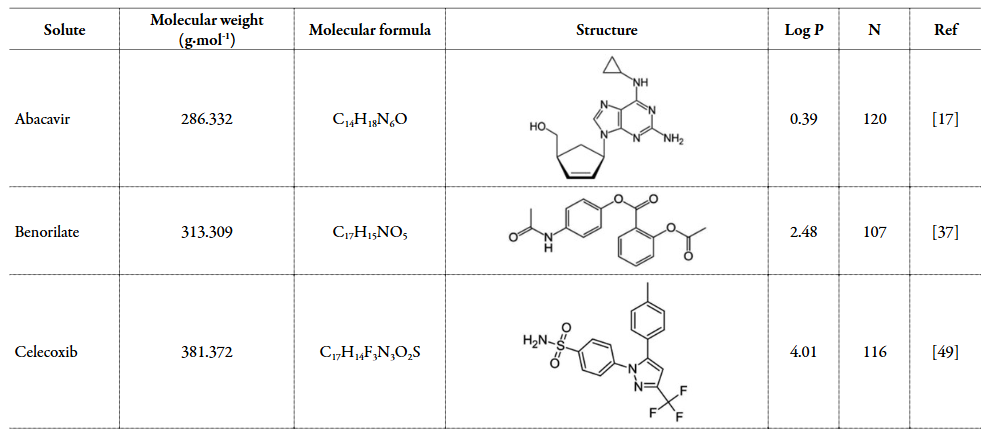
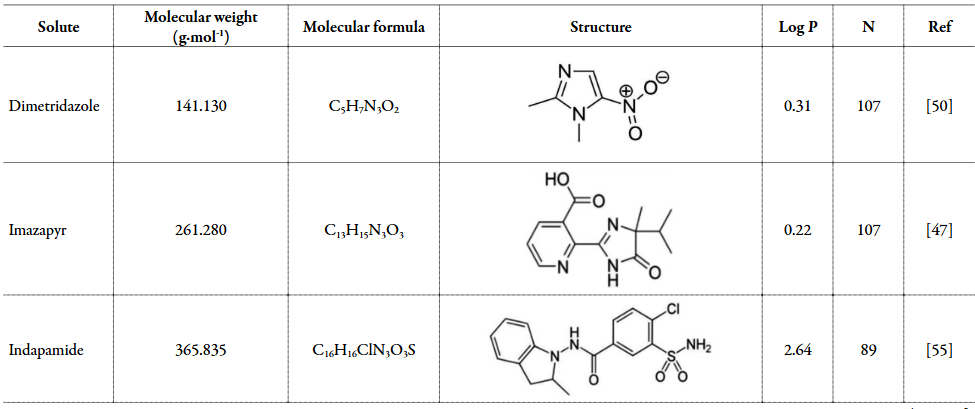
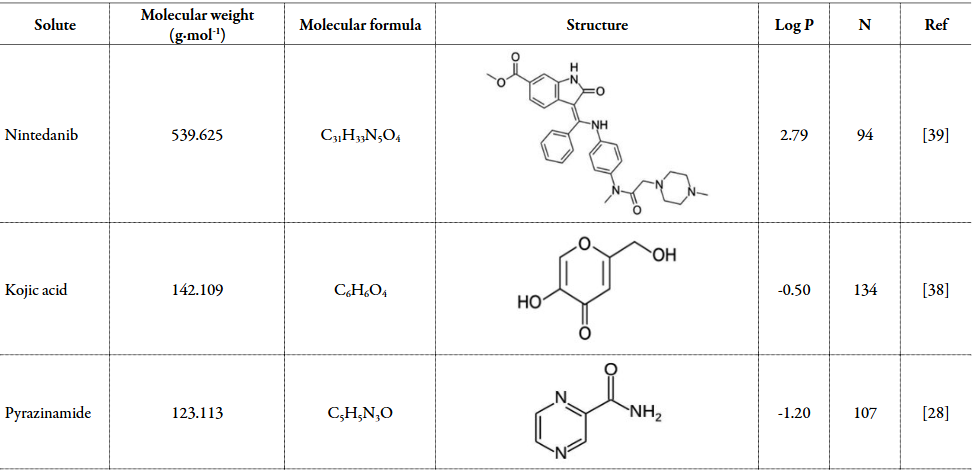
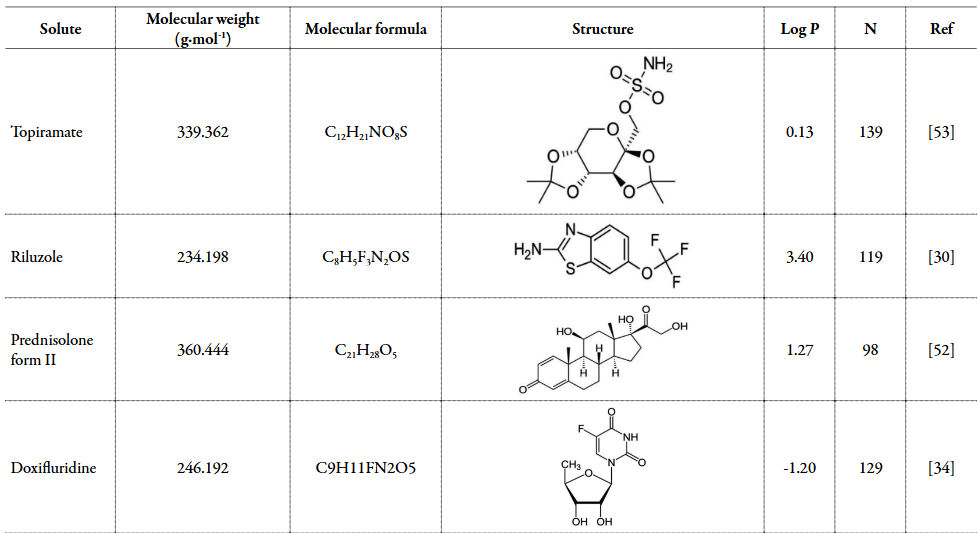
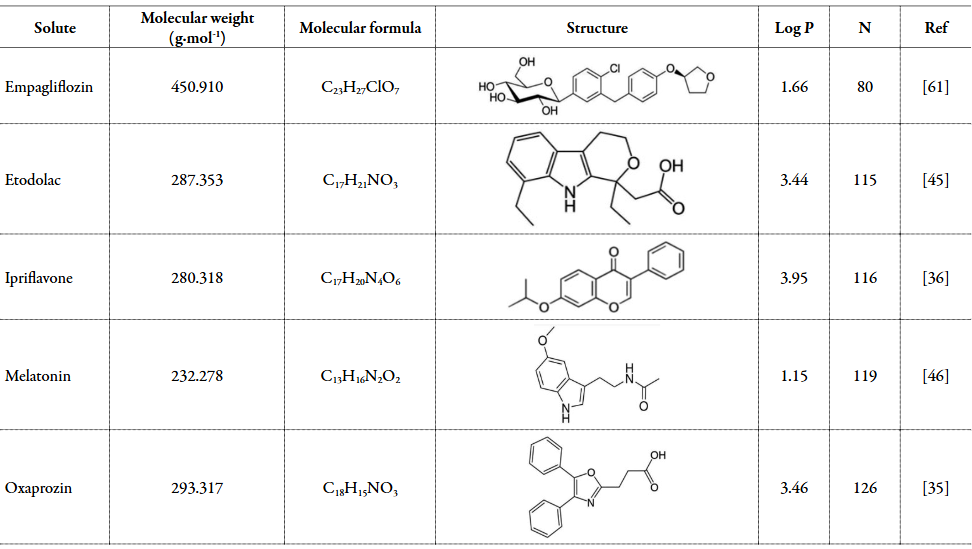
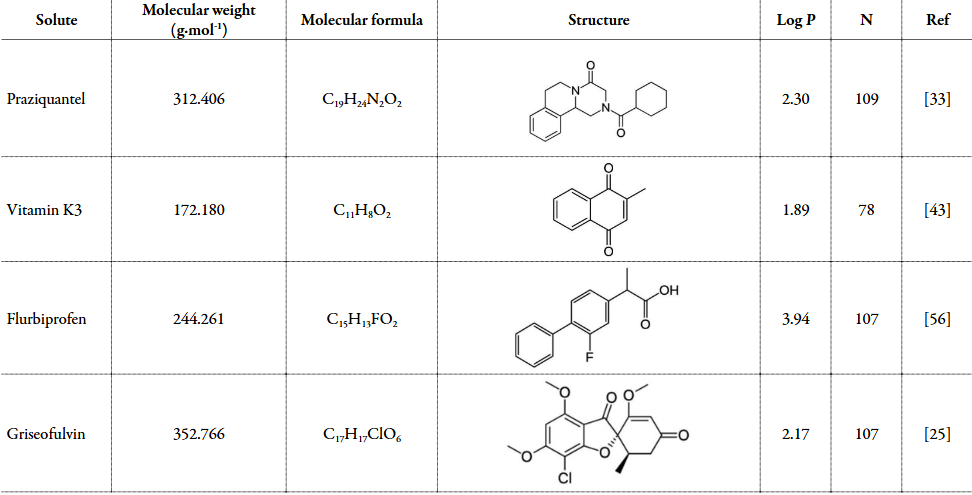
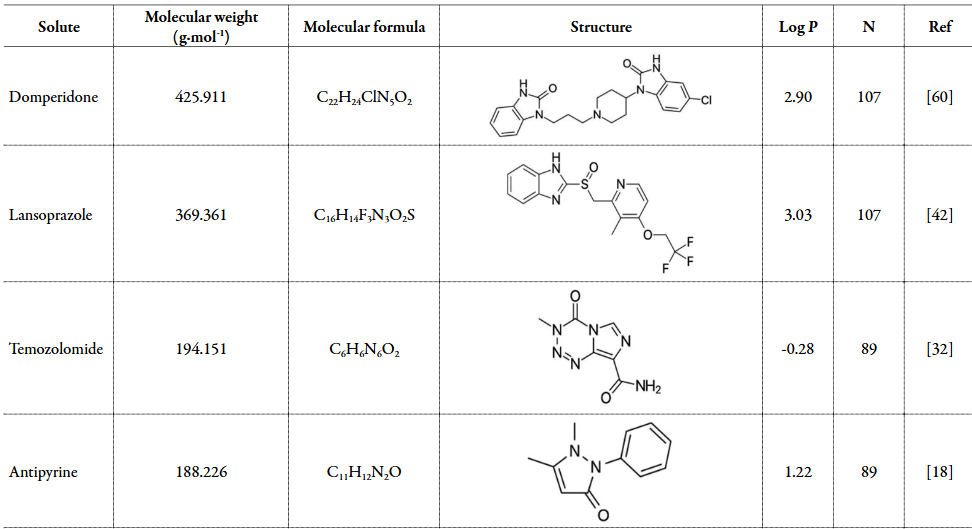
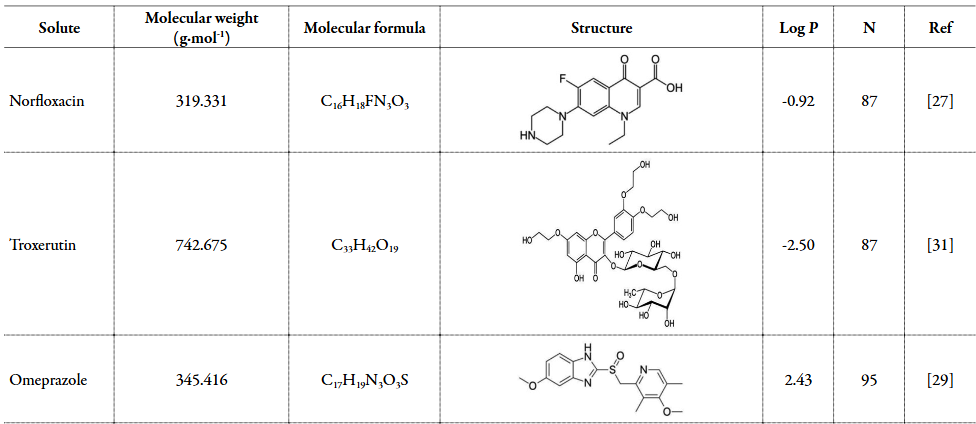
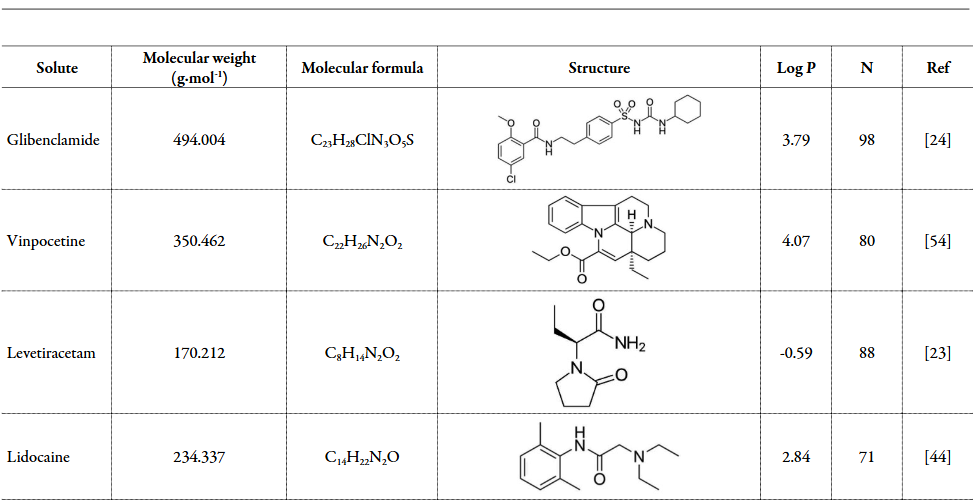
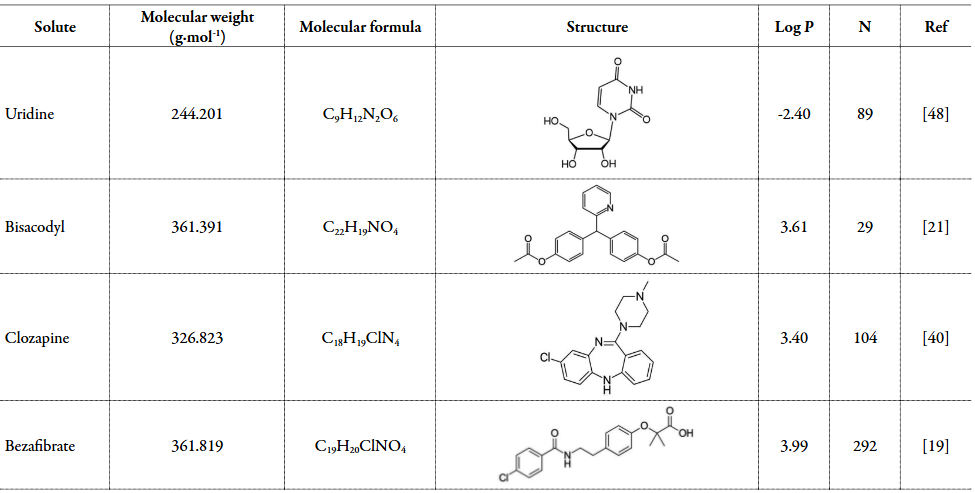
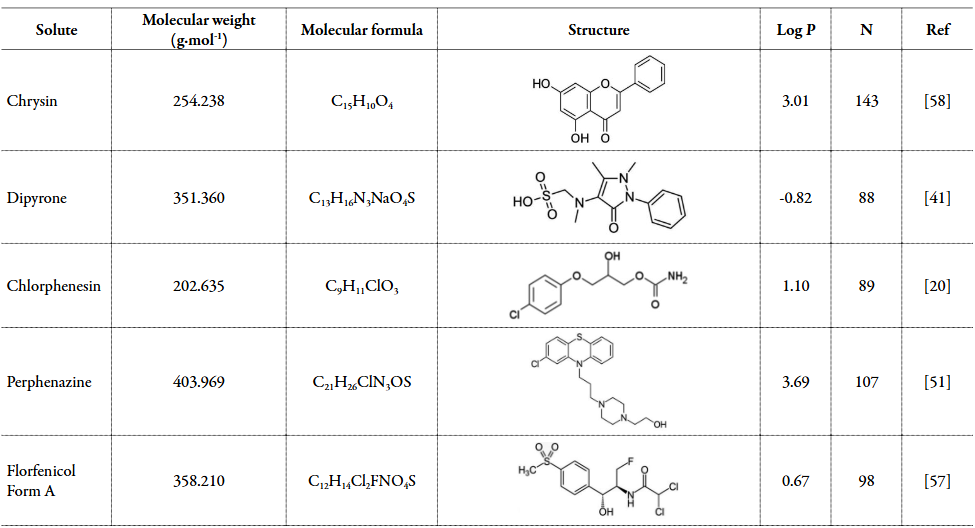
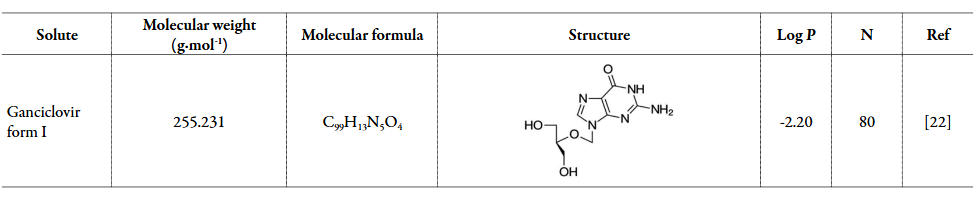
Details of the collected solubility data of drugs in the mono-solvents at various temperatures from the literature [17-61] are listed in Table 1.
Table 1. A brief summary of the drugs characterization in mono-solvents taken from the literature [17-61], the number of data points in each data set (N) and references.
For many pharmaceutical purposes, especially in re-crystallization investigations, it is essential to measure the solubility of drug/drug-like molecules in a given mono-solvent at different temperatures and to express the data as a solubility-temperature curve. Linear solubility-temperature plots are often considered desirable, due to: (i) they can be interpolated and extrapolated accurately; (ii) they can be treated by the common statistics of linear regression; and (iii) they can provide thermodynamic data for the solution process.
The van't Hoff equation (Eq. (1)) [62] is the simplest solubility-temperature function in the pharmaceutical science/industry which provides a good linear plot in most cases. This equation is expressed as:
where A and B denote the model parameters.
For wider temperature ranges which some deviations from linearity are observed, one may add C log T to the model as Eq. (2).
in which C is another constant. For obtaining a better picture of the solute (drug/drug-like molecules)-solvent interactions which represents different physico-chemical properties of the solutions involving the solubility of a solute dissolved in a given solvent, it is necessary to introduce suitable parameters into the van't Hoff equation for quantification of these interactions. Hence, various parameters have been considered to quantify these interactions which occurred in the solutions such as Abraham solvation parameters (APi) [63], Hansen solubility parameters (HPi) [64], and Catalan parameters (CPi) [65]. APi can be calculated through the experimental solubility data of different solutes and display a quantitative picture of solute-solvent interactions in the solution where in, HPi calculated by the help of a group contribution method [64] and have found applications in the polymer science and other fields. Catalan suggested a set of solvatochromic parameters for a generalized treatment of the solvent's effects [8] which includes solvent polarity/polarizability scale (SPP), solvent basicity scale (SB), and solvent acidity scale (SA), with SPP parameter recently split into two separate solvent di-polarity (SdP) and solvent polarizability (SP) scales [65]. In this respect, our research group [66-68] presented that the A and B terms of the van't Hoff equation for different drugs in a given solvent system could be correlated using Abraham solute parameters as:
In another work, a novel multiple linear regression model according to the van't Hoff equation and using a combination of APi, HPi and CPi instead of only APi suggested for an accurate correlation the solubility of a given drug in different mono-solvents at several temperatures as Eq. (4) [16].
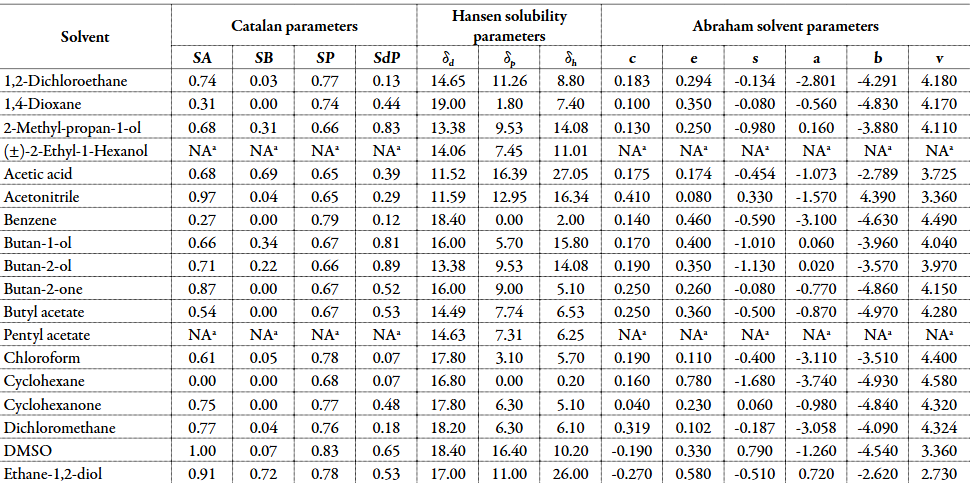
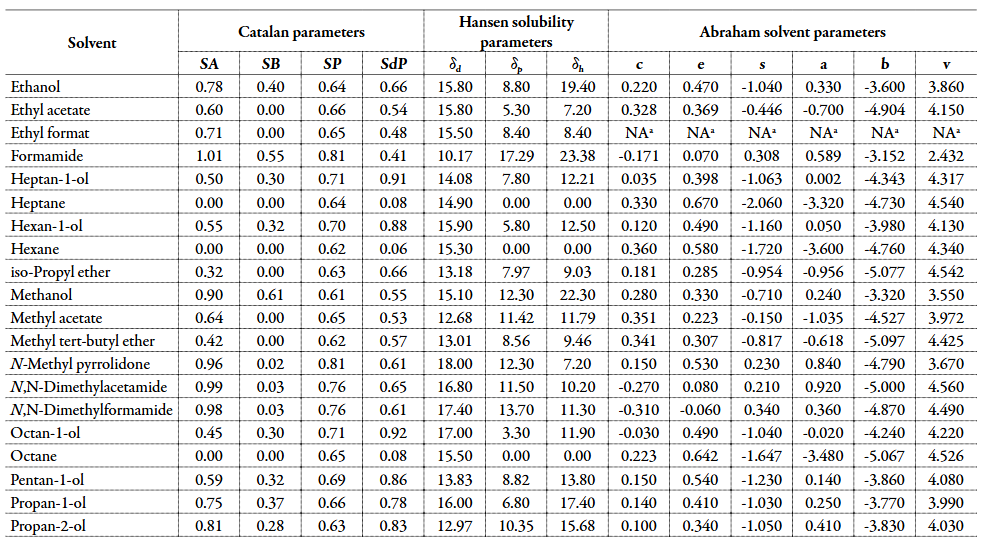
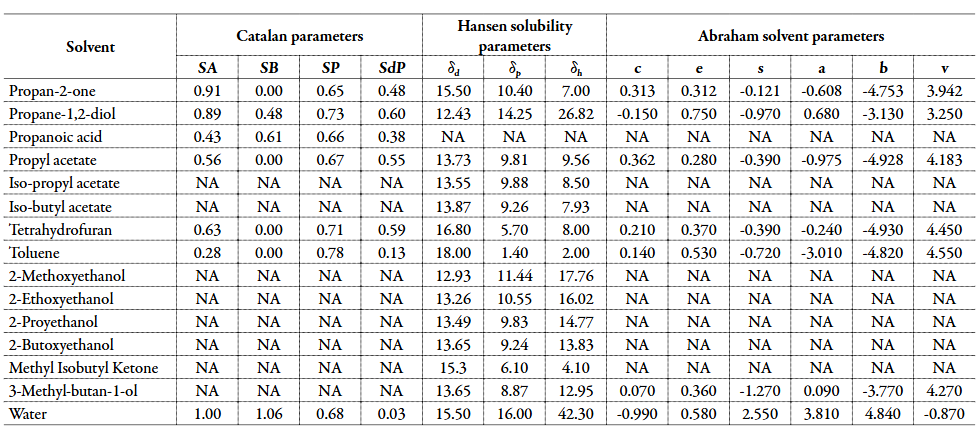
in Eq. (4), αi and βi terms correspond to the model parameters determined by a regression analysis. The obtained results were promising and the suggested model could be recommended for practical applications in the chemical/pharmaceutical industries after some further studies. Based on the good accuracy of this simple model in correlation of drugs solubility data in mono-solvents at different temperatures, this model is used in present work to predict the solubility of drug/drug-like molecules in various mono-solvents at working temperatures. For prediction studies, a minimum number of experimental data points were selected as the training set from each data set taken places from the literature [17-61] and utilized to train the model. The rest of data points (prediction set) were predicted with the trained model by extrapolation method. Details of the collected solubility data are listed in Table 1 of supplementary information along with listing the numerical values of APi, HPi and CPi for the investigated solvents in Table 2. Since, the average percentage deviations (APD) value is a comparable value with relative standard deviation value for repeated experiments and its numerical value is not affected by the solubility unit expression; the APD was employed to check the accuracy of predictions and it computed by Eq. (5):
here in N relates to the number of data points in each data set.
Eventually, the results of the suggested model were validated through a cross validation analysis using "leave one solvent out" method. In each step, one solvent's dataset has been excluded from the training process, model constants were calculated, and been utilized to predict the drug solubility in the excluded solvent. All mentioned analyses were performed by employing SPSS 16.0 software.
Results and discussion
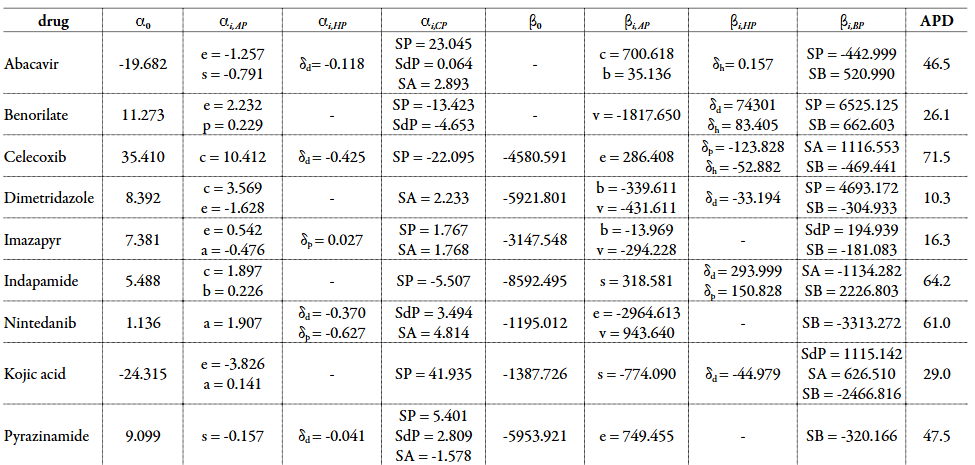
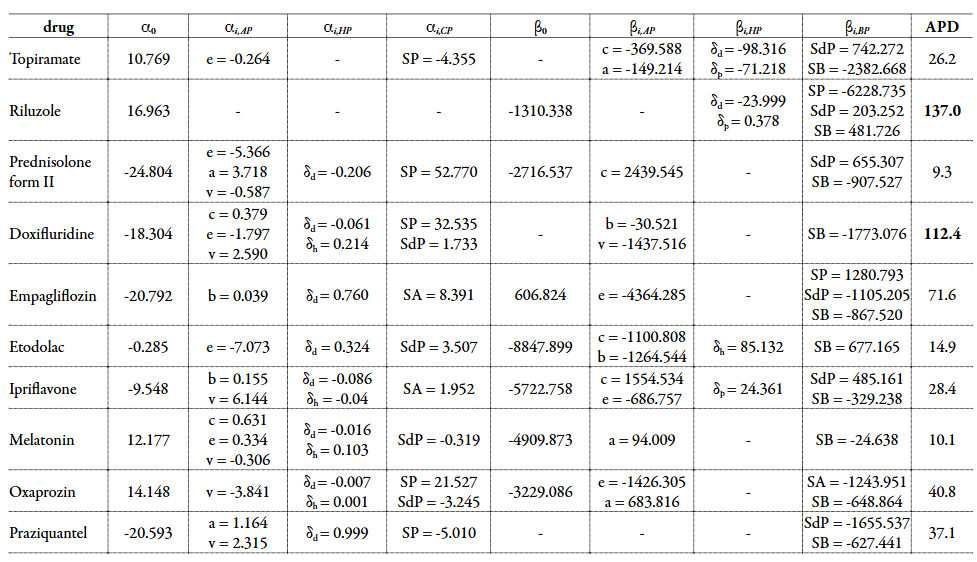
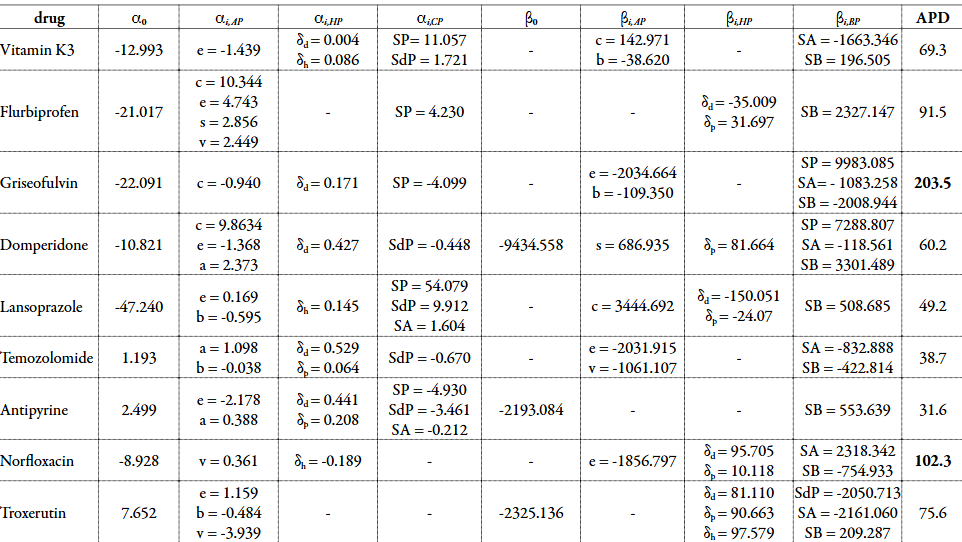
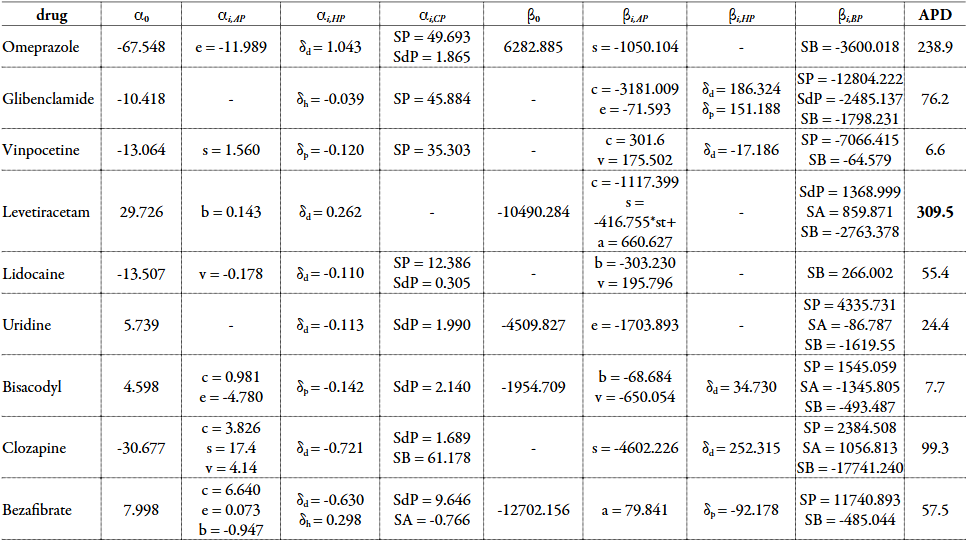
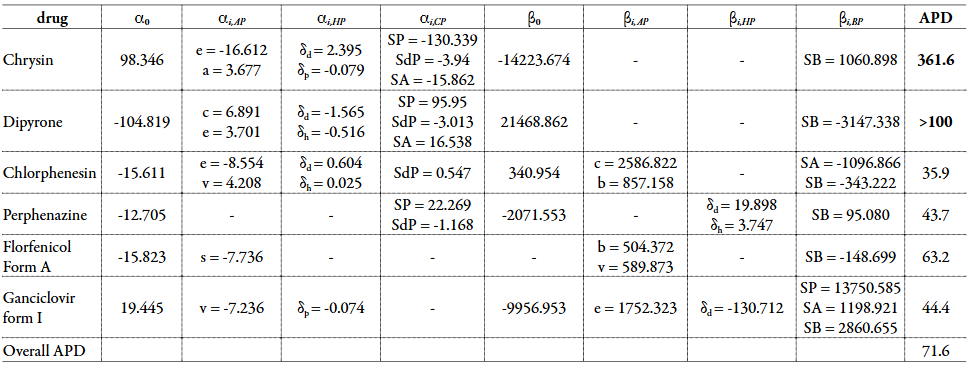
The prediction capability of Eq. (4) was investigated by dividing each data set into two subsets, i.e., training data set and prediction data set. In each data set, one point of each mono-solvents with different temperatures was coded as the training data. For example, the solubility of abacavir has been reported in mono-solvents of methanol, ethanol, 1- or 2-propanol, 1- or 2-butanol, 2-methyl-propan-1-ol, 1-pentanol, methyl acetate, ethyl acetate, water and 2-propanone at T = (278.15, 283.15, 288.15, 293.15, 298.15, 303.15, 308.15, 313.15, 318.15 and 323.15) K [17]. In this drug, training data were those reported for methanol at 278.15 K, ethanol at 283.15 K, 1-propanol at 288.15 K, 2-propanol at 293.15 K, 1-butanol at 298.15 K, 2-butanol at 303.15 K, 2-methyl-propan-1-ol at 308.15 K, 1-pentanol at 313.18 K, methyl acetate 318.15 K, ethyl acetate at 323.15 K, water at 278.15 K and 2-propanone at 283.15 K. The rest of data points in each data set were coded as the prediction data set. After that, the coded data points as training data set (degree of freedom = 0) were utilized to compute the model constants and the trained models were used to predict the solubility data of prediction data sets. The model constants of Eq. (4) computed by training data points along with reporting the obtained APD values for prediction data sets are given in Table 3. As shown in this Table, most of the parameters were not statistically significant and excluded from the regression model when the data were fitted to Eq. (4) using training data points. The non-significant contribution of the parameters to the model may be ascribed as their inter-correlations and also the low number of experimental solubility data points. The most significant independent variables may provide the most accurate correlative model. The calculated overall APD ± SD for all datasets in Table 3 is 71.6% ±105.7 which reached to 46.6% ±54.8 by excluding eight data sets with the relatively high APDs marked with bold font in Table 3 (≥ 100%). 46.6% prediction errors can be considered as acceptable errors and the predicted solubility data with this prediction level can provide valuable results for a process designer in the pharmaceutical industry.
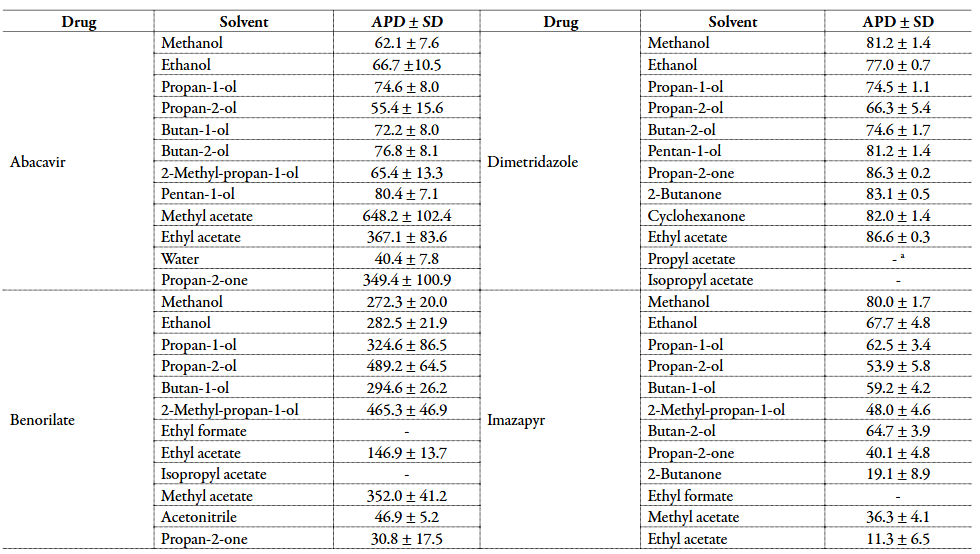
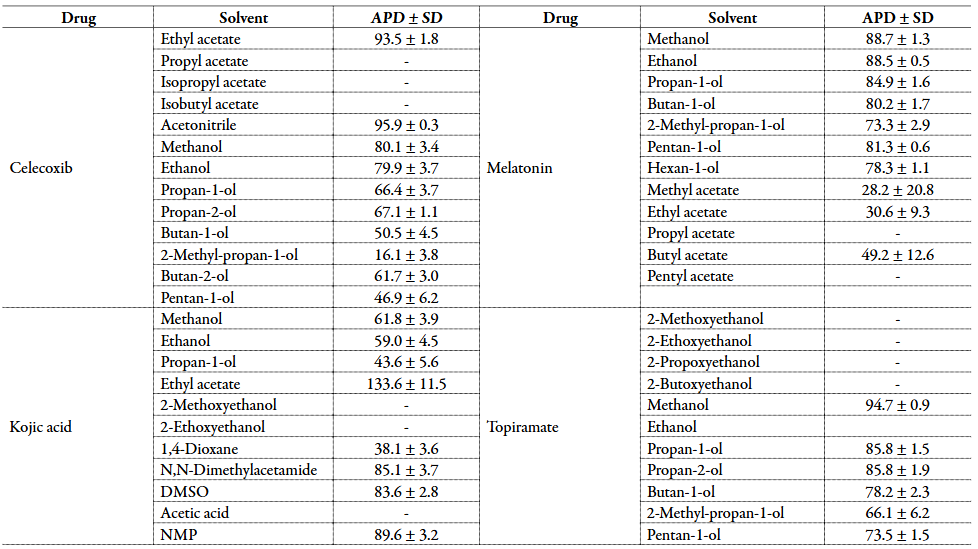
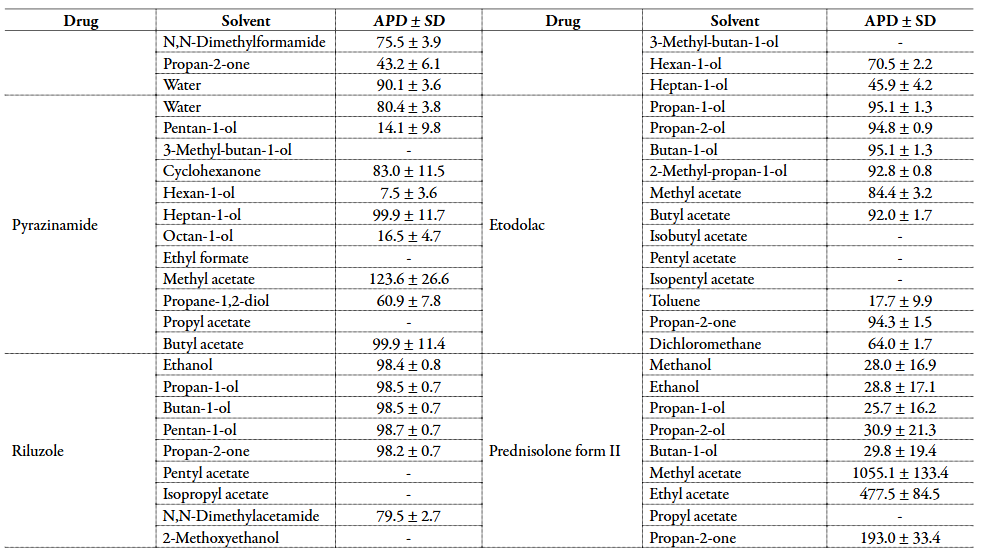
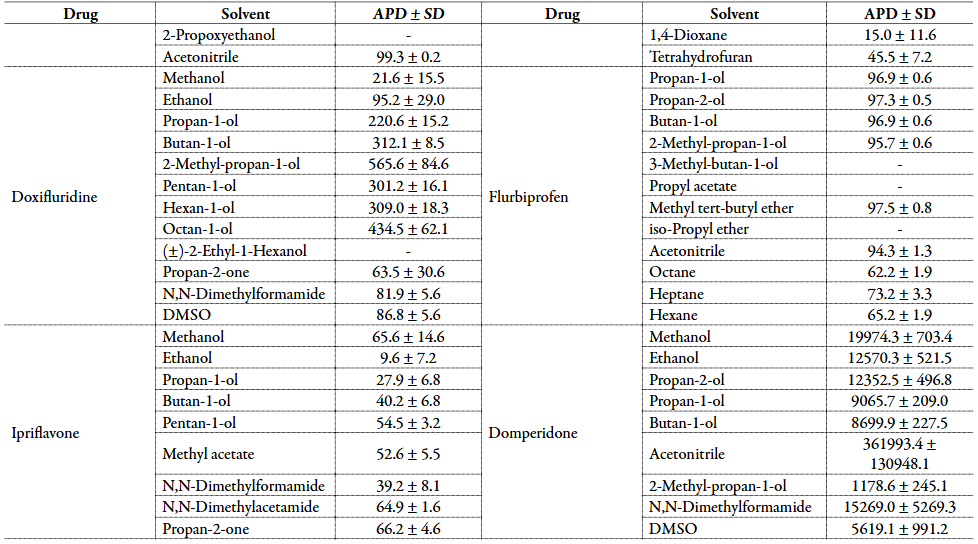
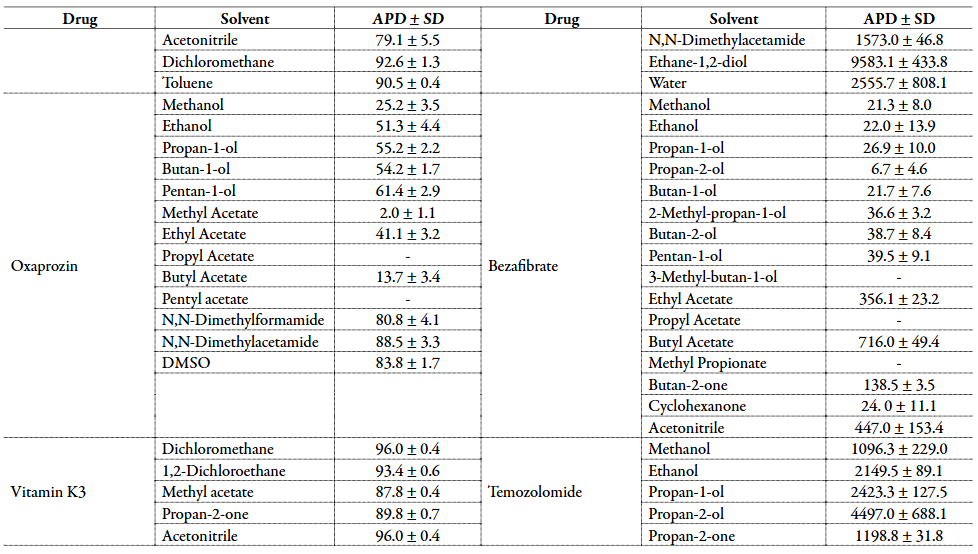
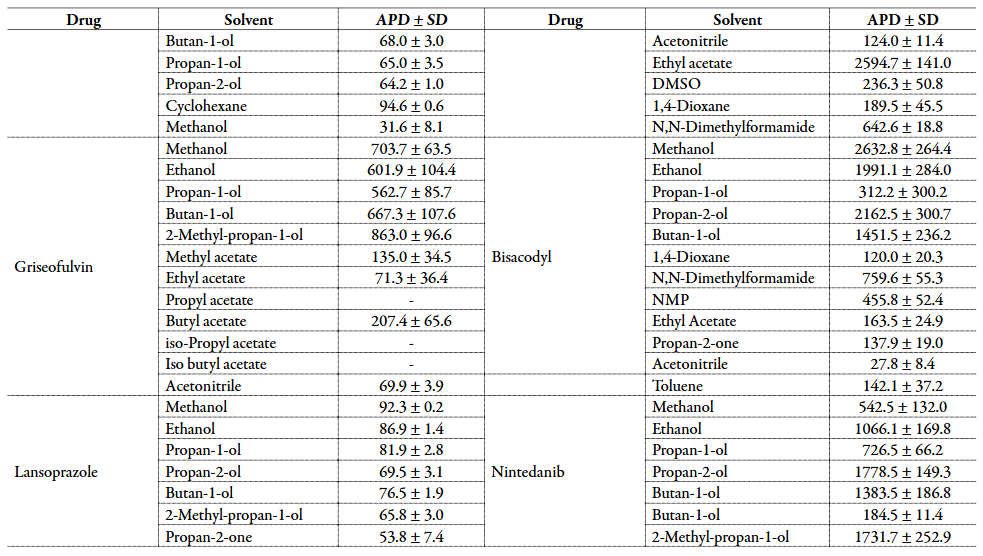
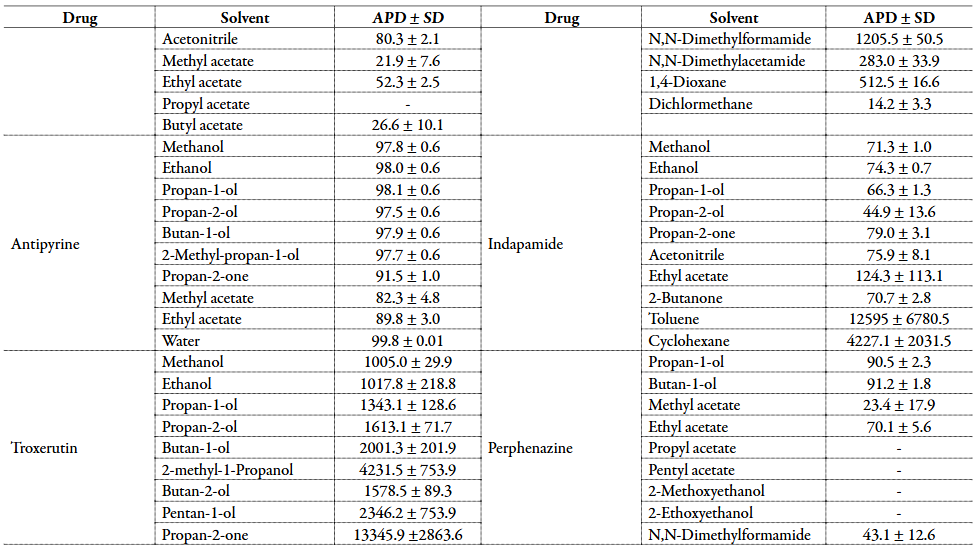
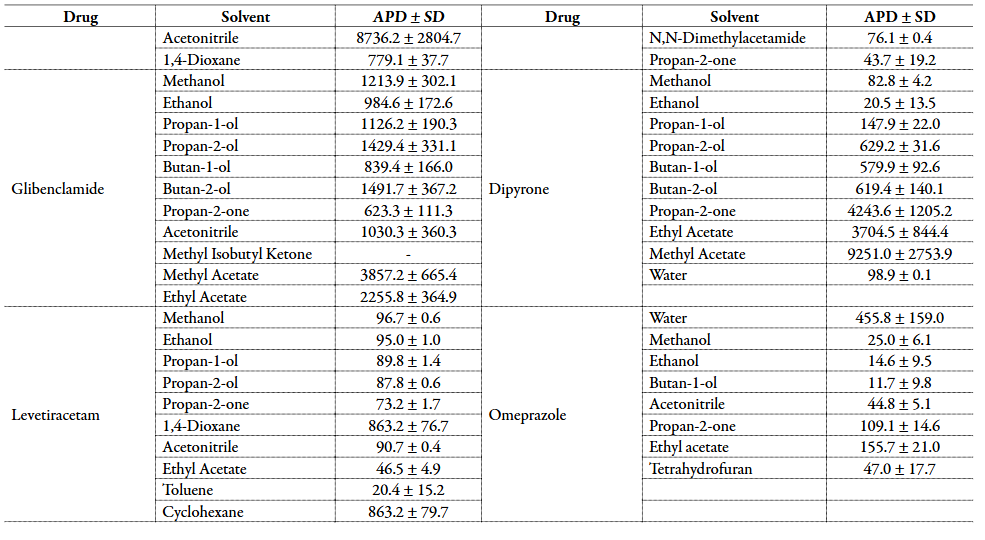
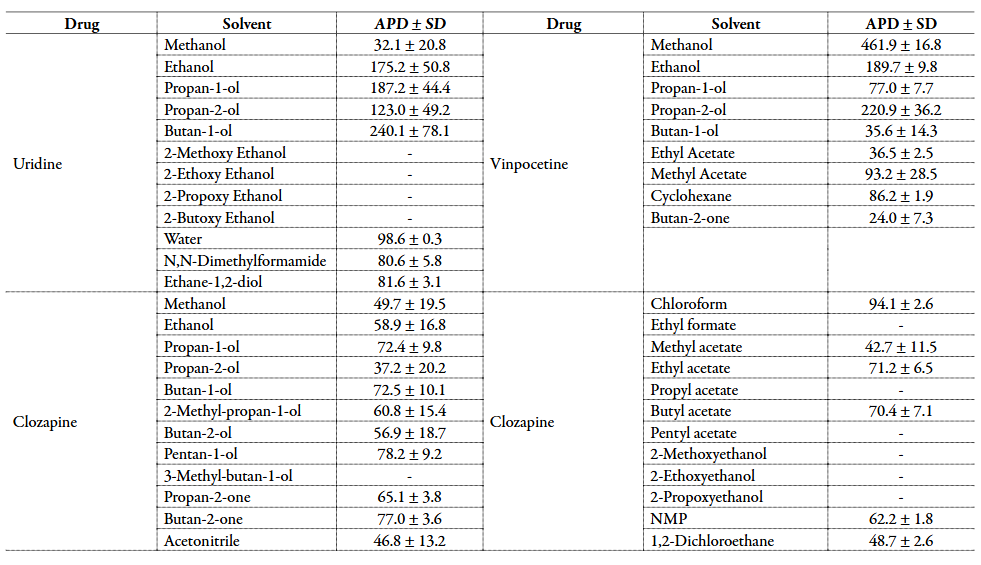
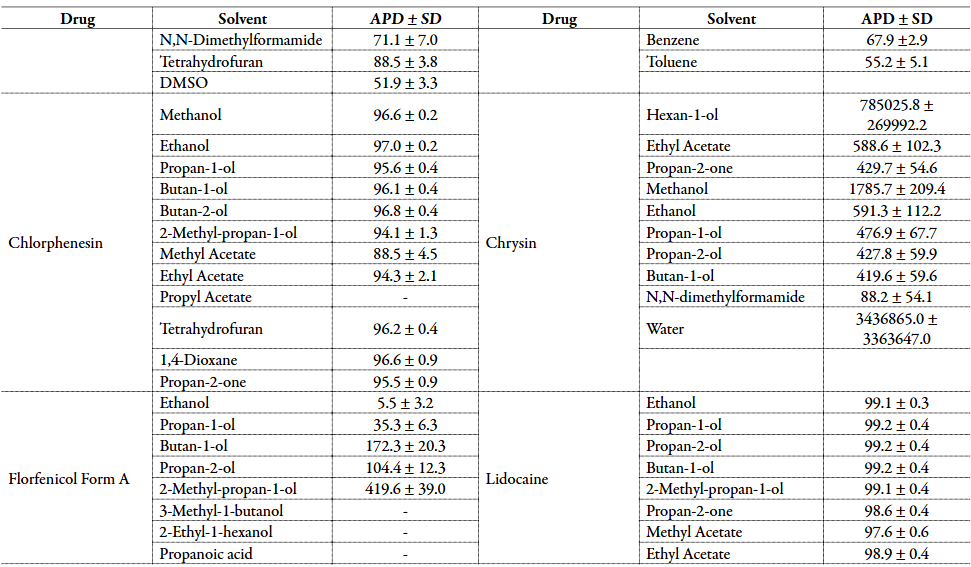
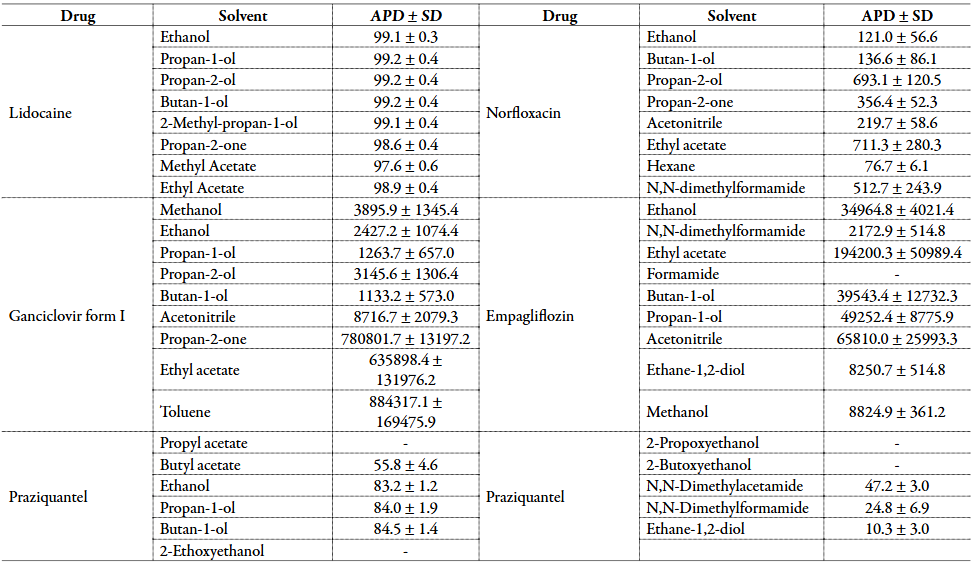
Moreover, we utilized "leave one solvent out" method to cross-validate our results of the investigated model. More details of cross-validation of the proposed method are provided in Table 4. As presented in Table 4, the results of overall APDs ±SD present an increment in above-mentioned model. Based on the APD given in this Table, it is clear that the trained models in most cases have a good reliability for drug solubility prediction in the investigated mono-solvents. The overall APD for all investigated drug/solvent data sets (N=434) is 17424% which is relatively large APD for cross-validated data. Chrysin in water produced the largest APD (3436865.0%) for cross-validation, followed by ganciclovir form I in toluene (884317.1%), chrycin in hexan-1-ol (785025.8%), ganciclovir form I in propan-2-one (780801.7%) and ethyl acetate (635898.4%), domperidone in acetonitrile (361993.4%) and empagliflozin in ethyl acetate (194200.3%). After excluding these seven very large APDs, the overall APD is reduced to 1131.3% (N=427). When 8 outlier sets of drugs in correlative study producing > 100% APD (in Table 1) for correlations are excluded from calculation of the overall APD, value of 9149% is obtained (N=361). These results reveal that further investigations on modeling the solubility data of drugs in mono-solvents at various temperatures are required to provide more accurate correlative/predictive models. Beside these observations, the proposed model is the most comprehensive model to correlate the solubility of a given drug dissolved in various mono-solvents at different temperatures.
Conclusion
In this study, we gathered available solubility data sets from papers published from 2016 to 2022 (43 data sets, 4654 data points totally) and analyzed them using minimum number of data points; as a matter of practical fact, the van't Hoff model combined with solvent parameters of Abraham, Hansen and Catalan is sufficiently accurate predicting solubility in mono-solvents and could be utilized as a practical strategy for predicting the solubility of drugs in mono-solvents at different temperatures with an acceptable prediction error and using minimum experimental efforts. These sorts of predictions are highly in demand in the pharmaceutical industry.
Table 3. The model constants and APDs% for the predicted solubility data of drugs in the investigated systems using Eq. (4) trained by selection of one experimental data point at each temperature