<?xml version="1.0" encoding="ISO-8859-1"?><article xmlns:mml="http://www.w3.org/1998/Math/MathML" xmlns:xlink="http://www.w3.org/1999/xlink" xmlns:xsi="http://www.w3.org/2001/XMLSchema-instance">
<front>
<journal-meta>
<journal-id>0121-5051</journal-id>
<journal-title><![CDATA[Innovar]]></journal-title>
<abbrev-journal-title><![CDATA[Innovar]]></abbrev-journal-title>
<issn>0121-5051</issn>
<publisher>
<publisher-name><![CDATA[Facultad de Ciencias Económicas. Universidad Nacional de Colombia.]]></publisher-name>
</publisher>
</journal-meta>
<article-meta>
<article-id>S0121-50512011000400009</article-id>
<title-group>
<article-title xml:lang="en"><![CDATA[Financial planning and access to financing in small and medium-sized companies in the Venezuelan manufacturing sector]]></article-title>
<article-title xml:lang="es"><![CDATA[Planificación financiera y acceso al financiamiento en pequeñas y medianas empresas del sector manufacturero venezolano]]></article-title>
<article-title xml:lang="fr"><![CDATA[Planification financière et accès au financement dans les petites et moyennes entreprises du secteur manufacturier vénézuélien]]></article-title>
<article-title xml:lang="pt"><![CDATA[Planejamento financeiro e acesso ao financiamento em pequenas e médias empresas do setor manufatureiro venezuelano]]></article-title>
</title-group>
<contrib-group>
<contrib contrib-type="author">
<name>
<surname><![CDATA[Vera-Colina]]></surname>
<given-names><![CDATA[Mary A]]></given-names>
</name>
<xref ref-type="aff" rid="A01"/>
</contrib>
<contrib contrib-type="author">
<name>
<surname><![CDATA[Rodríguez-Medina]]></surname>
<given-names><![CDATA[Guillermo]]></given-names>
</name>
<xref ref-type="aff" rid="A02"/>
</contrib>
<contrib contrib-type="author">
<name>
<surname><![CDATA[Melgarejo-Molina]]></surname>
<given-names><![CDATA[Zuray]]></given-names>
</name>
<xref ref-type="aff" rid="A03"/>
</contrib>
</contrib-group>
<aff id="A01">
<institution><![CDATA[,Universidad Nacional de Colombia Economic Sciences Faculty ]]></institution>
<addr-line><![CDATA[ ]]></addr-line>
</aff>
<aff id="A02">
<institution><![CDATA[,Universidad del Zulia Economic and Social Sciences Faculty Center for the Study of Companies]]></institution>
<addr-line><![CDATA[ ]]></addr-line>
</aff>
<aff id="A03">
<institution><![CDATA[,Universidad Nacional de Colombia Economic Sciences Faculty ]]></institution>
<addr-line><![CDATA[ ]]></addr-line>
</aff>
<pub-date pub-type="pub">
<day>01</day>
<month>10</month>
<year>2011</year>
</pub-date>
<pub-date pub-type="epub">
<day>01</day>
<month>10</month>
<year>2011</year>
</pub-date>
<volume>21</volume>
<numero>42</numero>
<fpage>99</fpage>
<lpage>112</lpage>
<copyright-statement/>
<copyright-year/>
<self-uri xlink:href="http://www.scielo.org.co/scielo.php?script=sci_arttext&amp;pid=S0121-50512011000400009&amp;lng=en&amp;nrm=iso"></self-uri><self-uri xlink:href="http://www.scielo.org.co/scielo.php?script=sci_abstract&amp;pid=S0121-50512011000400009&amp;lng=en&amp;nrm=iso"></self-uri><self-uri xlink:href="http://www.scielo.org.co/scielo.php?script=sci_pdf&amp;pid=S0121-50512011000400009&amp;lng=en&amp;nrm=iso"></self-uri><abstract abstract-type="short" xml:lang="en"><p><![CDATA[The relationship between the presence of financial planning and difficulties regarding access to financing in small and medium-sized companies (SMEs) in the Venezuelan manufacturing sector is studied. This is an explicative type research work, designed as non-experimental, crosssectional and correlational field work, applied to a sample of 67 SMEs. A questionnaire was applied and a review was made of the relevant literature, to establish the characteristics of the selected variables, according to the high-medium-low measurement for each of the selected indicators. The preliminary results make it possible to affirm that the financial planning variable demonstrates a medium presence in the companies, with medium and low levels of coordination among their components. Average access to financing is classified as low, marked by a medium-high access to credit from suppliers, medium access in reinvestment of profits and medium-low access to bank credit lines. There is also evidence of financing patterns compatible with the Pecking Order Theory. The conclusion is that there is a weak relationship between the characteristics of financial planning and the levels of access to financing, with the inference that the behavior of these variables is determined by a multiplicity of factors.]]></p></abstract>
<abstract abstract-type="short" xml:lang="es"><p><![CDATA[Se indaga la relación entre la presencia de planificación financiera y las dificultades de acceso al financiamiento en pequeñas y medianas empresas (Pymes) del sector manufacturero venezolano. Es una investigación de tipo explicativa, con diseño de campo no experimental, transversal y correlacional, aplicada a una muestra de 67 Pymes; se aplica un cuestionario y revisión de literatura pertinente, para establecer las características de las variables seleccionadas, según la escala de medición alta-media-baja para cada uno de los indicadores seleccionados. Los resultados preliminares permiten afirmar que la variable planificación financiera muestra una presencia media en las empresas, con niveles medios y bajos de articulación entre sus componentes. El acceso al financiamiento promedio se califica como bajo, destacándose un acceso medio-alto en el crédito de proveedores, un acceso medio en la reinversión de utilidades y medio-bajo en la línea de crédito bancario; también se evidencian patrones de financiamiento compatibles con la Teoría del orden preferente. Se concluye que existe una relación débil entre las características de la planificación financiera y los niveles de acceso al financiamiento, infiriéndose que el comportamiento de estas variables es determinado por multiplicidad de factores.]]></p></abstract>
<abstract abstract-type="short" xml:lang="fr"><p><![CDATA[L'auteur veut aborder la relation entre la présence de planification financière et les difficultés d'accès au financement dans les petites et moyennes entreprises (Pymes) du secteur manufacturier vénézuélien. Il s'agit d'une investigation de type explicatif, sur un terrain non expérimental, transversal et corrélationnel, appliquée à un échantillon de 67 petites et moyennes entreprises; un questionnaire est appliqué et les publications pertinentes sont consultées, pour établir les caractéristiques des variables sélectionnées, selon l'échelle de mesure haute-moyenne-basse pour chaque indicateur sélectionné. Les résultats préliminaires permettent d'affirmer que la variable planification financière démontre une présence moyenne dans les entreprises, avec des niveaux moyens et peu élevés d'articulation entre les composants. L'accès au financement moyen est peu élevé, signalant un accès moyen-élevé dans le crédit des fournisseurs, un accès moyen dans le réinvestissement des bénéfices et moyen-peu élevé dans la ligne de crédit bancaire; des modèles de financements compatibles avec la Théorie de l'ordre préférant sont aussi évidents. En conclusion, il existe une relation peu élevée entre les caractéristiques de la planification financière et les niveaux d'accès au financement, déduisant que le comportement de ces variables est déterminé par une multiplicité de facteurs]]></p></abstract>
<abstract abstract-type="short" xml:lang="pt"><p><![CDATA[Indaga-se a relação entre a presença de planejamento financeiro e as dificuldades de acesso ao financiamento em pequenas e médias empresas (PME) do setor manufatureiro venezuelano. É uma pesquisa de tipo explicativa, com desenho de campo não experimental, transversal e correlacional, aplicada a uma amostra de 67 PME; aplicou-se um questionário e revisão de literatura pertinente, para estabelecer as características das variáveis selecionadas, segundo a escala de medição alta-média-baixa para cada um dos indicadores selecionados. Os resultados preliminares permitem afirmar que a variável "planejamento financeiro" mostra uma presença uma presença média nas empresas, com níveis médios e baixos de articulação entre seus componentes. O acesso ao financiamento médio qualifica-se como baixo, destacando-se um acesso médio - alto no crédito de fornecedores, um acesso médio no reinvestimento de lucros e médio - baixo na linha de crédito bancário; também evidenciam-se padrões de financiamento compatíveis com a Teoria da Ordem de Preferência. Conclui-se que existe uma fraca relação entre as características do planejamento financeiro e os níveis de acesso ao financiamento, inferindose que o comportamento destas variáveis é determinado por uma multiplicidade de fatores.]]></p></abstract>
<kwd-group>
<kwd lng="en"><![CDATA[Small and medium-sized enterprises]]></kwd>
<kwd lng="en"><![CDATA[SMEs]]></kwd>
<kwd lng="en"><![CDATA[financial economics]]></kwd>
<kwd lng="en"><![CDATA[financial planning]]></kwd>
<kwd lng="en"><![CDATA[access to financing]]></kwd>
<kwd lng="en"><![CDATA[strategic planning]]></kwd>
<kwd lng="es"><![CDATA[pequeñas y medianas empresas]]></kwd>
<kwd lng="es"><![CDATA[Pymes]]></kwd>
<kwd lng="es"><![CDATA[economía financiera]]></kwd>
<kwd lng="es"><![CDATA[planificación financiera]]></kwd>
<kwd lng="es"><![CDATA[acceso al financiamiento]]></kwd>
<kwd lng="es"><![CDATA[planificación estratégica]]></kwd>
<kwd lng="fr"><![CDATA[petites et moyennes entreprises]]></kwd>
<kwd lng="fr"><![CDATA[Pymes]]></kwd>
<kwd lng="fr"><![CDATA[économie financière]]></kwd>
<kwd lng="fr"><![CDATA[planification financière]]></kwd>
<kwd lng="fr"><![CDATA[accès au financement]]></kwd>
<kwd lng="fr"><![CDATA[planification stratégique]]></kwd>
<kwd lng="pt"><![CDATA[pequenas e médias empresas]]></kwd>
<kwd lng="pt"><![CDATA[PME]]></kwd>
<kwd lng="pt"><![CDATA[economia financeira]]></kwd>
<kwd lng="pt"><![CDATA[planejamento financeiro]]></kwd>
<kwd lng="pt"><![CDATA[acesso ao financiamento]]></kwd>
<kwd lng="pt"><![CDATA[planejamento estratégico]]></kwd>
</kwd-group>
</article-meta>
</front><body><![CDATA[  <font size="2" face="verdana">     <p>&nbsp;</p>     <p>&nbsp;</p>     <p>       <center>     <font size="4">    <b>Financial planning and access to     financing in small and medium-sized     companies in the Venezuelan     manufacturing sector</b> </font>   </center> </p>     <p>       <center>     <font size="3">    <b>Planificaci&oacute;n financiera y acceso al financiamiento en     peque&ntilde;as y medianas empresas del sector manufacturero     venezolano</b> </font>   </center> </p>     <p>       <center>     <font size="3"><b>Planification financi&egrave;re et acc&egrave;s au financement dans les     petites et moyennes entreprises du secteur manufacturier     v&eacute;n&eacute;zu&eacute;lien</b></font>   </center> </p>     <p>       ]]></body>
<body><![CDATA[<center>     <font size="3"><b>Planejamento financeiro e acesso ao financiamento em     pequenas e m&eacute;dias empresas do setor manufatureiro     venezuelano</b></font>   </center> </p>     <p>&nbsp;</p>     <p>  Mary A. Vera-Colina*,   Guillermo Rodr&iacute;guez-Medina** &amp;   Zuray Melgarejo-Molina***</p>     <p>  * PhD in Economic Sciences. Associate Professor at the   Universidad Nacional de Colombia. Economic Sciences Faculty.   E-mail: <a href="mailto:maaveraco@unal.edu.co">maaveraco@unal.edu.co</a>.</p>     <p>**    PhD in Management Sciences. Retired Full Professor at the Universidad del Zulia (LUZ),   Venezuela. Researcher at the Center for the Study of Companies   at the Economic and Social Sciences Faculty   E-mail: <a href="mailto:grodr&iacute;guezm@luz.edu.ve">grodr&iacute;guezm@luz.edu.ve</a></p>     <p>***    PhD in Management. Assistant Professor at the Universidad Nacional de Colombia.   Economic Sciences Faculty.   E-mail: <a href="mailto:zamelgarejomo@unal.edu.co">zamelgarejomo@unal.edu.co</a></p>     <p>&nbsp;</p>     <p>Submitted: March 2011 Accepted: August 2011.</p> <hr noshade size="1">     <p>&nbsp;</p>     <p> <font size="3"><b>Abstract:</b></font></p>     ]]></body>
<body><![CDATA[<p>The relationship between the presence of financial planning and difficulties regarding   access to financing in small and medium-sized companies (SMEs) in the Venezuelan manufacturing   sector is studied. This is an explicative type research work, designed as non-experimental, crosssectional   and correlational field work, applied to a sample of 67 SMEs. A questionnaire was applied   and a review was made of the relevant literature, to establish the characteristics of the selected   variables, according to the high-medium-low measurement for each of the selected indicators. The   preliminary results make it possible to affirm that the financial planning variable demonstrates   a medium presence in the companies, with medium and low levels of coordination among their   components. Average access to financing is classified as low, marked by a medium-high access to   credit from suppliers, medium access in reinvestment of profits and medium-low access to bank   credit lines. There is also evidence of financing patterns compatible with the Pecking Order Theory.   The conclusion is that there is a weak relationship between the characteristics of financial planning   and the levels of access to financing, with the inference that the behavior of these variables is   determined by a multiplicity of factors.</p>     <p><font size="3">  <b>Keywords:</b></font></p>     <p>Small and medium-sized enterprises, SMEs, financial economics, financial planning,   access to financing, strategic planning.</p>     <p>&nbsp;</p>     <p> <font size="3"><b>Resumen:</b></font></p>     <p>Se indaga la relaci&oacute;n entre la presencia de planificaci&oacute;n financiera   y las dificultades de acceso al financiamiento en peque&ntilde;as y   medianas empresas (Pymes) del sector manufacturero venezolano. Es una   investigaci&oacute;n de tipo explicativa, con dise&ntilde;o de campo no experimental,   transversal y correlacional, aplicada a una muestra de 67 Pymes; se aplica   un cuestionario y revisi&oacute;n de literatura pertinente, para establecer las   caracter&iacute;sticas de las variables seleccionadas, seg&uacute;n la escala de medici&oacute;n   alta-media-baja para cada uno de los indicadores seleccionados. Los resultados   preliminares permiten afirmar que la variable planificaci&oacute;n financiera   muestra una presencia media en las empresas, con niveles medios y   bajos de articulaci&oacute;n entre sus componentes. El acceso al financiamiento   promedio se califica como bajo, destac&aacute;ndose un acceso medio-alto en el   cr&eacute;dito de proveedores, un acceso medio en la reinversi&oacute;n de utilidades y   medio-bajo en la l&iacute;nea de cr&eacute;dito bancario; tambi&eacute;n se evidencian patrones   de financiamiento compatibles con la Teor&iacute;a del orden preferente. Se   concluye que existe una relaci&oacute;n d&eacute;bil entre las caracter&iacute;sticas de la planificaci&oacute;n   financiera y los niveles de acceso al financiamiento, infiri&eacute;ndose   que el comportamiento de estas variables es determinado por multiplicidad de factores.</p>     <p> <font size="3"><b>Palabras clave:</b></font></p>     <p>peque&ntilde;as y medianas empresas, Pymes, econom&iacute;a financiera,   planificaci&oacute;n financiera, acceso al financiamiento, planificaci&oacute;n estrat&eacute;gica.</p>     <p>&nbsp;</p>     <p><font size="3"><b>R&eacute;sum&eacute; :</b></font></p>     ]]></body>
<body><![CDATA[<p>L'auteur veut aborder la relation entre la pr&eacute;sence de planification   financi&egrave;re et les difficult&eacute;s d'acc&egrave;s au financement dans les petites   et moyennes entreprises (Pymes) du secteur manufacturier v&eacute;n&eacute;zu&eacute;lien.   Il s'agit d'une investigation de type explicatif, sur un terrain non exp&eacute;rimental,   transversal et corr&eacute;lationnel, appliqu&eacute;e &agrave; un &eacute;chantillon de 67   petites et moyennes entreprises; un questionnaire est appliqu&eacute; et les publications   pertinentes sont consult&eacute;es, pour &eacute;tablir les caract&eacute;ristiques des   variables s&eacute;lectionn&eacute;es, selon l'&eacute;chelle de mesure haute-moyenne-basse   pour chaque indicateur s&eacute;lectionn&eacute;. Les r&eacute;sultats pr&eacute;liminaires permettent   d'affirmer que la variable planification financi&egrave;re d&eacute;montre une pr&eacute;sence   moyenne dans les entreprises, avec des niveaux moyens et peu &eacute;lev&eacute;s   d'articulation entre les composants. L'acc&egrave;s au financement moyen est peu   &eacute;lev&eacute;, signalant un acc&egrave;s moyen-&eacute;lev&eacute; dans le cr&eacute;dit des fournisseurs, un   acc&egrave;s moyen dans le r&eacute;investissement des b&eacute;n&eacute;fices et moyen-peu &eacute;lev&eacute;   dans la ligne de cr&eacute;dit bancaire; des mod&egrave;les de financements compatibles   avec la Th&eacute;orie de l'ordre pr&eacute;f&eacute;rant sont aussi &eacute;vidents. En conclusion, il   existe une relation peu &eacute;lev&eacute;e entre les caract&eacute;ristiques de la planification   financi&egrave;re et les niveaux d'acc&egrave;s au financement, d&eacute;duisant que le comportement de ces variables est d&eacute;termin&eacute; par une multiplicit&eacute; de facteurs</p>     <p> <font size="3"><b>Mots-clefs :</b></font></p>     <p>petites et moyennes entreprises, Pymes, &eacute;conomie financi&egrave;re, planification financi&egrave;re, acc&egrave;s au financement, planification strat&eacute;gique.</p>     <p>&nbsp;</p>     <p> <font size="3"><b>Resumo:</b></font></p>     <p>Indaga-se a rela&ccedil;&atilde;o entre a presen&ccedil;a de planejamento financeiro   e as dificuldades de acesso ao financiamento em pequenas e m&eacute;dias   empresas (PME) do setor manufatureiro venezuelano. &Eacute; uma pesquisa de   tipo explicativa, com desenho de campo n&atilde;o experimental, transversal e   correlacional, aplicada a uma amostra de 67 PME; aplicou-se um question&aacute;rio   e revis&atilde;o de literatura pertinente, para estabelecer as caracter&iacute;sticas   das vari&aacute;veis selecionadas, segundo a escala de medi&ccedil;&atilde;o alta-m&eacute;dia-baixa   para cada um dos indicadores selecionados. Os resultados preliminares   permitem afirmar que a vari&aacute;vel "planejamento financeiro" mostra uma   presen&ccedil;a uma presen&ccedil;a m&eacute;dia nas empresas, com n&iacute;veis m&eacute;dios e baixos   de articula&ccedil;&atilde;o entre seus componentes. O acesso ao financiamento m&eacute;dio   qualifica-se como baixo, destacando-se um acesso m&eacute;dio - alto no   cr&eacute;dito de fornecedores, um acesso m&eacute;dio no reinvestimento de lucros e   m&eacute;dio - baixo na linha de cr&eacute;dito banc&aacute;rio; tamb&eacute;m evidenciam-se padr&otilde;es   de financiamento compat&iacute;veis com a Teoria da Ordem de Prefer&ecirc;ncia.   Conclui-se que existe uma fraca rela&ccedil;&atilde;o entre as caracter&iacute;sticas do   planejamento financeiro e os n&iacute;veis de acesso ao financiamento, inferindose   que o comportamento destas vari&aacute;veis &eacute; determinado por uma multiplicidade de fatores.</p>     <p> <font size="3"><b>Palavras chave:</b></font></p>     <p>pequenas e m&eacute;dias empresas, PME, economia financeira,   planejamento financeiro, acesso ao financiamento, planejamento   estrat&eacute;gico.</p>     <p>&nbsp;</p>     <p>     ]]></body>
<body><![CDATA[<center><font size="3"><b>Introduction</b></font> </center></p>     <p>  The study of the operations and performance of small and medium-sized   enterprises (SMEs) is an inexhaustible research topic that is the object of   frequent publications in such varied areas as their competitiveness, internal   organization, contribution to economic growth and employment, public   policies aimed at their strengthening, and the entities that provide them   with financing, among others.</p>     <p>  Many of these publications agree in stressing the importance and dynamism   of the SMEs within the business fabric of any country (BID, 2005; Malhotra et al., 2007; Zevallos, 2007; Galindo, 2005), emphasizing   the need to overcome their weaknesses in order   to strengthen their permanence in their sectors of activity.</p>     <p>  Most research associated with the challenges that the   SMEs must surmount in order to be successful focuses on   external factors that have an impact on the performance   of these organizations, such as the availability of credit   mechanisms, administrative procedures, relationships with   the governmental sector, with financial institutions, with   suppliers and with distributors, the availability of qualified   personnel and in general with respect to the business environment   that they must face<a href="#1" name="s1">&#91;1&#93;</a>. Another research category   that in recent years has become important complements   the study of the business environment by focusing on the   internal characteristics that describe companies, specifying   their weaknesses in areas of business management   that make successful performance even more difficult<a href="#2" name="s2">&#91;2&#93;</a>.</p>     <p>  As can be seen in the referred-to works, support programs   for the development of SMEs tend to be mainly aimed at   facilitating access to financial resources (Peres y Stumpo,   2002, p. 4; Moll, 2007). To a lesser extent, these programs   may include training mechanisms to improve the managerial   skills of the managers (generally the owners) of the   firms, but to do so there must be a detailed diagnosis to facilitate   the identification of critical areas for consideration   in the action of these entities.</p>     <p>  This research is framed within that concept. While the aspects   that must be studied in terms of the functioning of   those enterprises are varied, considering their complexity   and multi-dimensionality, at this time the focus is on the   study of their financial management (<i>planning and financial   control</i>), because it is an area that has not been sufficiently   studied, and in which deficient performance poses   an obstacle for the rest of the organization's operations   and the <i>access that the company could have to varied   sources of financing</i>.</p>     <p>  To this end, the proposed research aims to determine if   there is a relationship between the presence and coordination   (association) of the components of financial planning   and the access to diverse sources of financing available   to SMEs, taking the Venezuelan manufacturing sector as   a case study. To do so, a theoretical review is structured   as support for the proposal, the applied methodological   guidelines are presented and the preliminary results obtained for these variables are discussed with respect to a   sampling of 67 companies.</p>     <p>&nbsp;</p>     <p>       <center>     <font size="3"><b>    Review of the literature     </b></font>   </center> </p>     ]]></body>
<body><![CDATA[<p>  The research addresses a set of indicators grouped under   two main variables: Financial planning and access to financing.</p>     <p><i>  Financial planning</i> is conceived as a business process that   is based on formulation of the organizational and systemic   strategy and which includes the design of objectives, strategies,   policies and control mechanisms associated with   investment and financing decisions, considering their implications   for both the short and long terms (Garc&iacute;a et al.,   2003; Brealey and Myers, 2010; Su&aacute;rez, 2003).</p>     <p>  The theoretical approach to this variable makes it possible   to schematize its analysis under the following components:</p> <ol type="1">       <p>    <li>Conditions for the development of financial planning   (Santandreu y Santandreu, 2000; Franc&eacute;s, 2001): Referring   to the characteristics and processes that must   be present for its correct functioning, such as the existence   of business planning practices, and the characteristics   of the financial or similar department.</li></p>     <p>    <li>Development of planning and control processes in   the financial function (Brealey and Myers, 2010; D&iacute;ez   y L&oacute;pez, 2001; Su&aacute;rez, 2003), including aspects associated   with the formulation of objectives and goals,   definition of strategies, design of policies, definition of   control mechanisms and preparation of documents of   the financial plan.</li></p>     <p>    <li>Financial parameters for long-term decision-making   (Su&aacute;rez, 2003; Kogan Page et al., 2002; Ortiz, 2005),   among others: parameters of performance and risk in   the analysis of investments, investment type planning,   methods for evaluation of investments, composition of   the capital structure, planned financing alternatives.</li></p>     <p>    ]]></body>
<body><![CDATA[<li>Financial parameters for short-term decision-making   (Ortiz, 2005; Santandreu y Santandreu, 2000; Brigham   and Houston, 2006; Gitman, 2007), among others:   Treasury availability, policies of credit and collections   regarding customers, inventory handling, planned financing   alternatives.</li></p>     <p>    <li>Coordination of the above components, for harmonious   and successful management.</li></p>     </ol>     <p>  At the same time, access to financing refers to the possibility   that a company has to apply for, process and obtain   the approval of funds, of both internal and external origin,   to finance its operations and development in the short and   long terms (The World Bank, 2008a; Zevallos, 2007).</p>     <p>In this sense, the type of access to financial sources is examined:   long-term loans, leasing, liabilities and equity issuance,   dividends from shares, reinvestment of profits,   suppliers, credit lines, short-term loans, guaranteed credits,   commercial paper. For each source of financing, the ease   of access is analyzed, looking into the speed of approval   of applications (fast, slow), their definitive rejection or the entrepreneur's reluctance to apply for them.</p>     <p>  With the aim of determining the state of the art in the   study of the behavior of these variables in SMEs, an exhaustive   review was made of the literature from the last 10   years. At the international level, growing interest was observed   in examining the characteristics of business financing,   the factors that determine access to different sources   of funds and how the size of companies can affect these   factors, among other aspects. However, most studies focus   on detecting obstacles to financing in the environment of   the companies rather than analyzing the internal conditions   of the SMEs in terms of their management (Beck et   al., 2002, 2004a, and 2004b; Beck and Demirg&uuml;&ccedil;-Kunt,   2005; Berger and Udell, 2005; BID, 2002 and 2005;   Cull et al., 2005; Kumar y Francisco, 2005; The World   Bank, 2008a y 2008b; Clarke et al., 2002; Zevallos, 2007).</p>     <p>  Some studies focus on analyzing the determining factors of   the capital structure, particularly with reference to financial   indicators in Spanish companies (Aybar et al., 2003;   Boedo y Calvo, 2001).</p>     <p>  In terms of the incorporation of qualitative variables in the   studies associated with financial management, the work of   Deakins et al. (2001) is particularly outstanding for its contribution   to the consideration of financial decision-making processes in the SMEs, as evolutional and changing, which   is why they must be analyzed at different times in order   to identify the dynamism of their transformations. His research   was based on qualitative data collection and analysis   techniques and was carried out using four case studies   of British micro and small businesses. The findings from   this study included the hypothesis that decisions associated   with the composition of the capital structure demonstrate   greater complexity than what is suggested by the   theory of pecking order, in that it is not the owners' attitude   that poses an obstacle to the entry of new shareholders,   but rather the lack of investors interested in this type   of businesses. Another of his conclusions is the importance   of the relationship maintained by the owners-managers   with their external advisors (accountants, bank managers,   and other professionals), particularly during the first years   of a company, a characteristic that turns out to be a determinant   in the structuring of its financial processes.</p>     <p>  In the documents that were consulted, numerous publications   focusing on SMEs exist; a small portion of them focuses   on the financial variables but no studies were found   that attempted to determine the influence of these companies'   internal financial processes on their difficulties regarding   access to financing.</p>     ]]></body>
<body><![CDATA[<p>  The concern over analyzing procedures that apply to SMEs   in their financial management, and their effects on access   to financing sources, is present in different studies (Zevallos,   2007), but has not been applied to proposals that systematically   research these aspects, and it was this gap that   led to the execution of this study. We consider that the   above-mentioned studies serve as a point of reference for   this research; their conclusions shed light on the problem   to be analyzed, but they do not provide conclusive results   regarding the effects of the quality of financial management   of companies on access to formal financing, aspects   that will be developed in this work as a complement to the   body of already existing knowledge.</p>     <p>&nbsp;</p>     <p>       <center>     <font size="3"><b>    Methodology     </b></font>   </center> </p>     <p>  An explicative type quantitative research work is proposed,   with the aim of identifying some of the causes that could   be causing problematic situations in the performance of   SMEs, particularly regarding their limited access to financial   resources. This explicative organization involves exploratory,   descriptive, and correlational processes, in order   to provide greater understanding of the phenomenon under   study (Hern&aacute;ndez et al., 2010). A work plan that is designed   as a non-experimental (ex post facto), crosscutting,   exploratory, correlational field research is used (Hern&aacute;ndez   et al., 2010; Hurtado, 2007; Ryan et al., 2004).</p>     <p>  With the goal of standardizing information on the financial   planning process and the level of access to financing   on the part of these entities, a survey was used as an information-   gathering technique (Hurtado, 2010; Hurtado,   2007). A questionnaire was used consisting of 79 closed   questions and scale-type alternatives for response (62   items for financial planning and 17 items for access to financing),   with a measurement level by intervals (Hurtado,   2010, Hern&aacute;ndez et al., 2010, p. 306). In this way, for each   proposal presented, the manager chooses among alternative   answers equivalent to different degrees of presence   of financial planning and diverse possibilities for access to   financing (see Vera, 2010).</p>     <p>  In the case of the dimensions and indicators associated   with the financial planning variable, questions and response   alternatives are included that will be pre-codified   to represent three levels of presence of that variable, each   with a quantitative score:</p> <ul>       <p>    <li>High presence of planning (2 points).</li></p>     <p>    ]]></body>
<body><![CDATA[<li> Medium presence of planning (1 point).</li></p>     <p>    <li> Low presence of planning (0 point).</li></p>     </ul>     <p>Similarly, access to financing sources is studied according  to the following parameters:</p> <ul>     <p>    <li> High access: Swift approval of applications (2 points).</li></p>     <p>    <li> Medium access: Slow approval of applications with excessive paperwork (1 point).</li></p>     <p>    ]]></body>
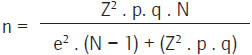
<body><![CDATA[<li> Low access: Includes cases in which financing applications have not been approved due to failure to comply   with the requirements, or applications are not submitted   because the paperwork is considered to be too   complicated, or because the companies do not need   additional resources (0 points).</li></p>     </ul>     <p>  These point values were not made known to the survey     participants to avoid bias in their responses.     The questionnaire was designed based on a technical review     of the variables, was then validated by expert judges     and applied in a pilot test to measure its reliability (Cronbach's     alfa), obtaining as a result a valid and reliable instrument     (Alfa=0,962). It was applied between September     and December of 2009, through electronic correspondence     sent to the financial managers or highest ranking     personnel responsible for financial decisions. A geographically     stratified random sample of 67 Venezuelan manufacturing     SMEs<a href="#3" name="s3">&#91;3&#93;</a> was selected, out of a population of 3,651   units (INE, 2006).</p>       <p>To calculate the sample of the study, the following equation   was applied (Hurtado, 2010; Parra, 2006):</p>     <p>    <center><img src="/img/revistas/inno/v21n42/42a09e1.jpg"></center></p>       <p>n = sample</p>     <p>  Z<sup>2</sup> = confidence level. A confidence level of 90% is assumed, with   a value of Z = 1,645</p>     <p>  p.q = probability of responses. It is assumed with values of 50, 50.</p>     <p>  e = error of estimation. A value of 10% is used.</p>     ]]></body>
<body><![CDATA[<p>  N = population size. In this case 3,651 companies (INE, 2006).</p>     <p>  With this data, a sample of 67 companies was obtained.   Considering that out of the total number of companies   in the population, 80% are located in 8 states (Miranda,   Carabobo, Aragua, Distrito Capital, Lara, T&aacute;chira, Zulia,   and Bol&iacute;var), these were used to randomly select the units   that make up the sample. Only 64 of these organizations   agreed to participate in the project by responding to the   questionnaire.</p>     <p>&nbsp;</p>     <p>       <center>     <font size="3"><b>    Analysis of results     </b></font>   </center> </p>     <p>  The information obtained in the entrepreneurial sample   makes it possible to estimate certain preliminary results   regarding the behavior of Venezuelan manufacturing   SMEs in terms of planning and access to financial resources.   These preliminary findings serve as a starting   point to continue researching the topic in the future, increasing   its scope to a greater number of organizations   and including other economic sectors, regions and countries,   with the aim of carrying out a more complete analysis   of a comparative nature.</p>     <p>  The general characteristics of the sample included the fact   that the set of companies involved has existed for an average   of 29 years, with extremes ranging from 1 year to a   maximum of 68. In 92.2% of the cases, they carry out their   operations at one single site, while the rest have activities   in other states in the country or are associated with some   type of foreign economic group (3.1%).</p>     <p>  Their personnel oscillate between 11 and 110 workers, with   an average of 45 employees per company, whereas their   level of annual revenues (for 2009) is less than 250,000   tax units (US$3,780,000) in 87.5% of the cases. It should   be pointed out that all of the firms fulfill at least one of the   parameters to be classified as an SME, whether in terms   of volume of employment or revenues during the previous   year; 86% fulfill two of the classification criteria, whereas   the remaining 14% fulfill only one.</p>     <p>Companies dedicated to diverse sectors of activity were   contacted, particularly food and beverages (31.7%), consumables   for construction (17.1%), metallurgy (14.6%),   plastic products (14.6%), chemical products (4.9%), medical   supplies (4.9%), apparel (4.9%), wood (4.9%), and printing (4.9%).</p>     <p>  With the statistical processing of the questionnaire, the average   scores were determined for the indicators for each   variable, to plot their behavior and estimate the associations   between them (correlations). The results are examined   in accordance with the scheme of the theoretical   dimensions of the variables, in line with the above-mentioned   measurement scales (0 minimum presence of indicators   - 2 maximum presence).</p>     ]]></body>
<body><![CDATA[<p>&nbsp;</p>     <p><font size="3"><b>  Financial planning</b></font></p>     <p>  Initially the existence of <i>conditions that would make it possible   to carry out a well-conceived and executed process   of financial planning</i> at the companies under study is observed.   These results can be seen in <a href="/img/revistas/inno/v21n42/42a09f1.jpg" target="_blank">Figure 1</a>.</p>     <p>  On average, the 3 dimensions obtain an average score   of 1.20, from which we may infer that the financial planning   process that they must carry out will not overcome   the deficiencies already found in these companies in terms   of strategic planning and control (Santandreu y Santandreu,   2000; Franc&eacute;s, 2001). The presence of certain key   processes for an overall strategy is particularly noteworthy   and a strength that could serve as the backbone in facing   the challenges and opportunities for improvement in the   Venezuelan SMEs in this set of indicators. However, their   greatest difficulties are observed in the application of the   plan, in other words, there are cases where the organizations   demonstrate certain strategic planning practices that   are not supported by adequate processes of follow-up and   timely correction.</p>     <p>  The shaded zone in <a href="/img/revistas/inno/v21n42/42a09f1.jpg" target="_blank">Figure 1</a> represents the level of   achievement that the organizations have in the conceptual   scheme of the variable, whereas the lighter zone constitutes   the unfulfilled margin, which can be translated into   opportunities for improvement, if management techniques   and tools adjusted to the characteristics and size of these   businesses are properly applied.</p>     <p>  In the second place, the specific components of the financial   planning process were analyzed. Regarding the existence   of practices for <i>planning and control in the financial   function</i> (Brealey and Myers, 2010; D&iacute;ez and L&oacute;pez, 2001;   Su&aacute;rez, 2003), a significant reduction was observed in the   evaluated score (<a href="/img/revistas/inno/v21n42/42a09f2.jpg" target="_blank">Figure 2</a>), when compared to the previously-   commented dimension. This allows us to affirm that the SMEs can be applying strategic planning techniques   without this translating into functional programs, including   a financial one. In this component, the low score for   drafting the documents of the plan is particularly striking,   in other words, in certain organizations management practices   were detected without necessarily being reflected in   a formal plan.</p>     <p> <i>Long-term decision-making</i> (Su&aacute;rez, 2003; Kogan Page et   al., 2002; Ortiz, 2005) is characterized by a medium presence   of these indicators, and particularly by less use of   points of reference in terms of the analysis of performance   and risk in the analysis of investments and in the methods   for evaluating them (<a href="/img/revistas/inno/v21n42/42a09f3.jpg" target="_blank">Figure 3</a>).</p>     <p>  In the case of short-term decision-making (Ortiz, 2005;   Santandreu y Santandreu, 2000; Brigham and Houston,   2006; Gitman, 2007), this is the dimension that shows   the best results in the study (<a href="/img/revistas/inno/v21n42/42a09f4.jpg" target="_blank">Figure 4</a>), beating the scores   of the preceding indicators. This coincides with the affirmation that the SMEs have more urgent need to pay   attention to their short-term decisions and consider their   sustainability over the long-term (Zevallos, 2007).</p>     <p>  Each of the dimensions examined regarding the financial   planning variable shows the general tendency among the   SMEs studied to moderately apply formal management processes,   with an emphasis on the strategic business plan and   the programming of short-term situations (<a href="/img/revistas/inno/v21n42/42a09f5.jpg" target="_blank">Figure 5</a>). In addition   to the presence of these indicators, the interrelation between   them is analyzed, estimating their Pearson correlation coefficients (Hern&aacute;ndez et al., 2010), summarized in tables   <a href="/img/revistas/inno/v21n42/42a09t1.jpg" target="_blank">1</a> and <a href="/img/revistas/inno/v21n42/42a09t2.jpg" target="_blank">2</a>.</p>     <p>  In general terms, lower indices of association with the rest   of the components are observed in the functional analyses   of the financial management (69% of the companies have   an administrative department that is responsible for financial   management, while 14% report not having a section   dedicated to finances) and in the application of control   mechanisms.</p>     ]]></body>
<body><![CDATA[<p>  In the case of the specific components of financial matters,   medium correlations are estimated to exist between   them, showing insufficient associations between planning   and control processes and short and long-term decisionmaking.   In other words, on the one hand situations are detected   in which there is a formal financial plan, but it is not   used as a point of reference for decision-making, whereas   on the other hand there are companies that do not develop   explicit plans but apply management parameters to their   daily decision-making, without tying them to a comprehensive   process in their management.</p>     <p>  In addition to the correlations presented in tables <a href="/img/revistas/inno/v21n42/42a09t1.jpg" target="_blank">1</a> and <a href="/img/revistas/inno/v21n42/42a09t2.jpg" target="_blank">2</a>,   other insufficient associations were identified (coefficients   of less than 0.5) associated with other indicators in the design   of financial policies, preparation of documents of the   plan, planning of sources of financing and capital structure,   management of inventories.</p>     <p>  For the financial planning variable, it may be concluded   that a medium presence of its dimensions and indicators   is detected in the companies, with an emphasis on shortterm   decisions and with incomplete coordination of its   elements. The SMEs need to improve this coordination of   their plans, so that they may incorporate better management   processes into their operations and so that this will   be reflected in better performance and sustainability of   their businesses.</p>     <p>&nbsp;</p>     <p><font size="3"><b>Access to financing</b></font></p>     <p>  The results are summarized in <a href="/img/revistas/inno/v21n42/42a09t3.jpg" target="_blank">Table 3</a>. The alternatives for   financing identified and numbered from 1 to 7 refer to   common sources for the short term, while those from 8 to   16 are generally associated with long-term resources.</p>     <p>  When considering the most widely used financing options,   the most notable are the frequent utilization of credit   from suppliers (87.5%), reinvestment of company profits   (45.3%), and the use of bank credit lines (45.3%). To a   lesser extent the SMEs resort to short and long-term bank   loans, foreign financing and loans from public entities.</p>     <p>  If we compare the level of access to the different types of   resources, we only observe a high degree of access to credit   from suppliers (1.67 points); there is medium access to   funds from retained profits (0.91 points), and medium-low   access to bank credit lines (0.73). The SMEs studied have   low access to the rest of the instruments (see <a href="/img/revistas/inno/v21n42/42a09f6.jpg" target="_blank">Figure 6</a>),   with particular lack of access to the issuance of commercial   paper and preferred or privileged shares.</p>     <p>  These results are compatible with findings from prior research,   which mentioned the limited access to financial   resources traditionally found in this type of organizations   (BID, 2002 and 2005).</p>     <p>  Regarding the preferred hierarchical order for the most   utilized sources of financing, a certain coincidence is observed   between the behavior of the Venezuelan manufacturing   SMEs and the Pecking Order Theory (Brealey and   Myers, 2010; Frank and Goyal, 2005; Myers, 1984; Aybar   et al., 2003).</p>     ]]></body>
<body><![CDATA[<p>  This theory is formulated for the composition of the capital   structure (long-term) and proposes a hierarchical level for   the choice of sources of financing, in which the company   management would prefer, in the first instance, to finance   the firm using retained profits (to avoid problems of adverse   selection), in the second instance would choose to   incur new debt, or would issue liability-equity hybrids, and   finally would decide to sell new shares, because they are   the instruments with the greatest implications for adverse   selection and asymmetrical information.</p>     <p><a href="/img/revistas/inno/v21n42/42a09t3.jpg" target="_blank">  Table 3</a> shows the preference for financing using shortterm   resources: Credit from suppliers and bank credit lines.   But in terms of long-term resources, there is a predominance   of the use of reinvestment of profits, followed by   different modalities of bank financing and, as a last option,   the issuance of new common shares. In a way, this proves   the previously commented theoretical postulate.</p>     <p>&nbsp;</p>     <p><font size="3"><b>  Relationship between financial   planning and access to financing</b></font></p>     <p>  Once the principal findings in each of these variables   have been separately analyzed, it is necessary to study the possible relationships that could exist between them,   through the analysis of significant statistical correlations,   summarized in <a href="/img/revistas/inno/v21n42/42a09t4.jpg" target="_blank">Table 4</a>. (No correlations are shown with   respect to the options of commercial paper and issuance   of preferred shares because those alternatives received   no scores).</p>     <p>  A correlation was established between the dimensions associated   with the conditions for developing financial planning   and access to financing. In general terms, the degree   of correlation between the selected indicators is weak or   very weak; in other words, a certain relationship between   them was found but of a very low degree. It must be   recalled that this set of dimensions of the financial planning   variable showed a medium presence in the companies   (a score of 1.20; see <a href="/img/revistas/inno/v21n42/42a09f1.jpg" target="_blank">Figure 1</a>). The biggest positive correlations   are observed in access to foreign financing (0.289),   to credit from suppliers (0.259) and to bank credit lines   (0.230); in other words, a greater presence of planning elements   could foster greater availability of resources from   those sources.</p>     <p>  On the other hand, the most pronounced negative correlations   are observed in leasing (-0.273), decree of dividends   on shares (-0.235), and reinvestment of profits (-0.153). Reinvestment   of profits is one of the most widely used alternatives,   which explains this negative correlation, with the   inference that to the extent that there is improvement in the situation of planning at the companies, they will be   able to gain access to new options for resources, thereby   decreasing their dependence on their own funds.</p>     <p>  Upon observing the correlations for the elements of financial   planning, a similar result is clear, with weak correlations   between indicators. Equally, sources of financing that   have the greatest positive and negative correlations coincide.   Credit from suppliers (0.279) and bank credit lines   (0.309) maintain a weak positive correlation, because they   would benefit from improvements in the financial planning   process. The reinvestment of profits again shows a negative   coefficient (-0.139).</p>     <p>  The association between parameters and long-term   sources follows the same tendency of weak correlations,   in most cases positive ones, indicating that a continuous   improvement in management would make it possible to   increase access to financial sources. The presence of a   very low, almost nonexistent correlation with funds from   the reinvestment of profits is particularly noteworthy.</p>     <p>  For the short-term analysis, the strongest relationship occurs   in bank credit lines, which is conceptually logical insofar   as when an organization is better able to plan its   procedures and operations, it will receive a higher classification   from the financial institutions for obtaining increased   resources.</p>     ]]></body>
<body><![CDATA[<p>Additionally, the correlation of the sources of financing   most used by the SMEs in the study (credit from suppliers,   reinvestment of company profits, bank credit lines and   long-term bank loans) with each item of the questionnaire   (with correlations greater than 0.3) is analyzed in order to   provide a more complete understanding of other possible connections.</p>     <p>  The case of credit from suppliers turned out to be more   greatly affected by aspects associated with the availability   of specialized personnel in the financial area, the establishment   of policies for managing working capital,   identification of organizational weaknesses, consideration   of strengths and weaknesses in the plan, definition of   objectives and evaluation of their fulfillment, along with   advance planning of short-term financial contracting.</p>     <p>  The reinvestment of company profits in its operations is   the second most widely used financial option and the   most frequently utilized that provides long-term resources.   Coinciding with previous analyses, its correlations with   financial planning can be negative in most cases, for reasons   already mentioned (the inference is that to the extent   that better financial management helps to increase   money from other sources, the importance of this option   in the capital structure would decrease). That is the case   with respect to the items regarding the definition of business   objectives, drafting of a strategic plan, identification   of those responsible for deviations from the plan and   the use of external sources to finance company activities   in the short-term; this latter aspect shows a tendency   to finance short-term operations with resources from retained   profits (permanent funds; Brigham and Houston,   2006) given the difficulty of gaining access to other alternatives.</p>     <p>  At the same time, there are indications of a positive association   with the item referring to knowledge of the liability/equity proportions handled by the company.</p>     <p>  Another short-term source that was analyzed is the bank   credit line, which demonstrates medium correlations with   such varied aspects as the substitution of assets and the   presence of planning for short-term sources. This trend is   notorious, which suggests the share of short-term funds   such as credit lines in financing long-term assets, a situation   which would force the companies to continuously renew   their banking commitments because their expiration   occurs before recovery of the investments. This could be   due to scarce access to resources that can be repaid in   longer periods.</p>     <p>  There is a clearly medium negative correlation with item   42, which establishes comparisons between the costs of resources;   this could be explained by the fact that more than   50% of the companies (57.8%) have not established that   the opportunity costs of equity tend to be greater than   those of liabilities, and tend to prefer to use their own resources   for financing (retained profits).</p>     <p>  The alternative associated with long-term bank loans   shows low correlation with the analysis of the cost of interest   and the frequency of evaluation of the achievement   of objectives (in this case a negative correlation, possibly   explained by the 51.6% of companies that do not perform   this evaluation or only do so sporadically).</p>     <p>&nbsp;</p>     <p>       <center>     <font size="3"><b>    Conclusions     </b></font>   </center> </p>     ]]></body>
<body><![CDATA[<p>  The preliminary results show three general tendencies: The   moderately formal use of formal strategic and financial   planning procedures at the SMEs, insufficient coordination   of these procedures and a discrete association between   them and the level of access to sources of financing reported   by the companies. In the first two cases, opportunities   for improvement in the management of these organizations   could lead to better conditions of access to varied   sources of resources.</p>     <p>  The final column of <a href="/img/revistas/inno/v21n42/42a09t4.jpg" target="_blank">Table 4</a> shows the coefficients for the   financial planning variable when considered as a whole,   as an average of its indicators (62 items). The results are   a reflection of what has been mentioned in the previous   sections; although they involve weak levels of association   between the two variables, there is evidence of a relationship   between both components of business management.</p>     <p>  There is a clear positive correlation among traditional financing   alternatives such as bank credit lines, credits guaranteed   by inventories, credit from suppliers, the issuance   of long-term bonds, short-term bank loans and the issuance   of new common shares. In some of these alternatives,   the companies demonstrated a very low level of access,   the inference being that to the extent that they develop   more formal financial planning and management procedures   they would be able to gain greater access to the financial   markets, as indicated in the specialized literature   (Kogan Page et al., 2002; P&aacute;ez, 2006; Little, 2005; Burk   and Lehnman, 2004, among other authors already mentioned   in previous sections).</p>     <p>  Alternatives with greater presence at the companies that   demonstrated negative correlations with financial planning   particularly included reinvestment of profits, decree   of dividends on shares and other types of financing cited by those surveyed. This result is notable, in that it mostly   involves internal sources that come from the company's   operations themselves and which will be more easily used   even when planning activities are not carried out. At the   same time, as has already been stated, the inference here is   that to the extent that they develop more formal business   planning and management procedures and techniques,   businesses can depend more on their internal sources and   improve their access to third-party sources.</p>     <p>  It is important to mention that the relatively low correlation   coefficients in the indicators that were analyzed   showed the existing relationship between the financial   planning variables and access to financing at these companies,   but are not the only element that has an effect on   that behavior.</p>     <p>  As has been concluded in earlier studies cited in previous   sections, there are also other factors that affect access to   financing for the SMEs, such as: Interest rate levels, availability   of long-term savings in the financial markets, collateral   requirements, lack of consolidation in the financial   system, adaptation of risk classification techniques to the   SMEs, bureaucracy in financial intermediation insufficient   government support policies, deficiency in management   processes, among some of the most relevant (BID, 2002   and 2005; Beck et al., 2004a; Berger et al., 2002; Berger   and Udell, 2005; Andriani et al., 2003; Zevallos, 2007).</p>     <p>  It is necessary to continue researching this set of variables   in the sector, to generate relevant knowledge that would   help to surmount its deficiencies. The contribution generated   through this work constitutes a new step on that   path, fundamentally because it persists in seeking explanations   within the companies, complimenting already   available information and generating new questions for future   initiatives.</p>     <p>  At the same time, information-gathering tools and scales   of measurement and analysis that have been designed in   this research (Vera, 2010) facilitate an approach to the   day-to-day practices carried out by the companies in this   functional area, making it possible to compare their particular   situation with other similar companies, and with companies   at other levels, sectors or countries.</p>     <p>  In general, it facilitates the detection of problems (and   opportunities) in these management processes, providing   valuable information to improve the performance of   the SMEs, encouraging internal actions for improvement   in each establishment while promoting the creation of   support programs (trade associations, academic institutions,   public and private entities) where mechanisms are   established for training and advice that help to overcome   the identified weaknesses.</p>     <p>  It is hoped that future research can replicate the use of this   methodology in other contexts and identify analogies with   the Venezuelan case. Equally, studies can be carried out   in other functional areas (marketing, operations, human   resources and innovation) to more intensely focus on the   characteristics of the internal management of the SMEs, as   a factor to explain their capacities for growth and survival.</p>     ]]></body>
<body><![CDATA[<p>&nbsp;</p>     <p>     <center>   <font size="3"><b>    Pie de p&aacute;gina   </b></font> </center> </p>     <p><a href="#s1" name="1">&#91;1&#93;</a> In this regard, the works of Berger and Udell (2005), Cull et al. (2005), Beck et al. (2004b), BID (2002), BID (2005), The World Bank (2008a), among others, could be cited.</p>     <p> <a href="#s2" name="2">&#91;2&#93;</a> The works of Deakins et al. (2001), Andriani et al. (2003), Vera (2001), can be cited.</p>     <p><a href="#s3" name="3">&#91;3&#93;</a> The definition of SME in Venezuela, when carrying out the study, applies to establishments that employ between 11 and 100 workers, or that have revenues between 9,001 and 250,000 tax units (which in this case correspond to amounts equivalent to between US$136,000 and US$3,780,000).</p>     <p>&nbsp;</p>     <p>     <center>   <font size="3"><b>      References   </b></font> </center> </p>     <!-- ref --><p>    Andriani, C., Biasca, R. &amp; Rodr&iacute;guez, M. (2003). <i>Un nuevo sistema de gesti&oacute;n para lograr Pymes de clase mundial</i>. Bogot&aacute;: Grupo editorial Norma.&nbsp;&nbsp;&nbsp;&nbsp;&nbsp;&nbsp;&nbsp;&nbsp;[&#160;<a href="javascript:void(0);" onclick="javascript: window.open('/scielo.php?script=sci_nlinks&ref=000172&pid=S0121-5051201100040000900001&lng=','','width=640,height=500,resizable=yes,scrollbars=1,menubar=yes,');">Links</a>&#160;]<!-- end-ref --><!-- ref --><p>    Aybar, C., Casino, A. &amp; L&oacute;pez, J. (2003). Estrategia y estructura de capital en la PYME: una aproximaci&oacute;n emp&iacute;rica. <i>Estudios de econom&iacute;a aplicada</i>, <i>21</i>(I), 27-52.&nbsp;&nbsp;&nbsp;&nbsp;&nbsp;&nbsp;&nbsp;&nbsp;[&#160;<a href="javascript:void(0);" onclick="javascript: window.open('/scielo.php?script=sci_nlinks&ref=000173&pid=S0121-5051201100040000900002&lng=','','width=640,height=500,resizable=yes,scrollbars=1,menubar=yes,');">Links</a>&#160;]<!-- end-ref --><!-- ref --><p>    Beck, T., Demirg&uuml;&ccedil;-Kunt, A. &amp; Maksimovic, V. (2002). <i>Financing patterns around the world: The role of institutions</i>. World Bank Policy Research Working Paper 2905, October. Available at <a href="http://ssrn.com/abstract=636268" target="_blank">http://ssrn.com/abstract=636268</a>.&nbsp;&nbsp;&nbsp;&nbsp;&nbsp;&nbsp;&nbsp;&nbsp;[&#160;<a href="javascript:void(0);" onclick="javascript: window.open('/scielo.php?script=sci_nlinks&ref=000174&pid=S0121-5051201100040000900003&lng=','','width=640,height=500,resizable=yes,scrollbars=1,menubar=yes,');">Links</a>&#160;]<!-- end-ref --><!-- ref --><p>    Beck, T., Demirg&uuml;&ccedil;-Kunt, A., Laeven, L. &amp; Maksimovic, V. (2004a). <i>The determinants of financing obstacles</i>. World Bank Policy Research Working Paper 3204, February. Available at <a href="http://wdsbeta.worldbank.org/" target="_blank">http://wdsbeta.worldbank.org/</a>.&nbsp;&nbsp;&nbsp;&nbsp;&nbsp;&nbsp;&nbsp;&nbsp;[&#160;<a href="javascript:void(0);" onclick="javascript: window.open('/scielo.php?script=sci_nlinks&ref=000175&pid=S0121-5051201100040000900004&lng=','','width=640,height=500,resizable=yes,scrollbars=1,menubar=yes,');">Links</a>&#160;]<!-- end-ref --><!-- ref --><p>    Beck, T., Demirg&uuml;&ccedil;-Kunt, A. &amp; Maksimovic, V. (2004b). <i>Financing patterns around the world: Are small firms different?</i> World Bank Working Paper. Available at <a href="http://siteresources.worldbank.org/" target="_blank">http://siteresources.worldbank.org/</a>.&nbsp;&nbsp;&nbsp;&nbsp;&nbsp;&nbsp;&nbsp;&nbsp;[&#160;<a href="javascript:void(0);" onclick="javascript: window.open('/scielo.php?script=sci_nlinks&ref=000176&pid=S0121-5051201100040000900005&lng=','','width=640,height=500,resizable=yes,scrollbars=1,menubar=yes,');">Links</a>&#160;]<!-- end-ref --><!-- ref --><p>    Beck, T. &amp; Demirg&uuml;&ccedil;-Kunt, A. (2005). <i>Small and medium-size enterprises: Overcoming growth constraints</i>. World Bank Working Paper. Available at <a href="http://siteresources.worldbank.org" target="_blank">http://siteresources.worldbank.org</a>.&nbsp;&nbsp;&nbsp;&nbsp;&nbsp;&nbsp;&nbsp;&nbsp;[&#160;<a href="javascript:void(0);" onclick="javascript: window.open('/scielo.php?script=sci_nlinks&ref=000177&pid=S0121-5051201100040000900006&lng=','','width=640,height=500,resizable=yes,scrollbars=1,menubar=yes,');">Links</a>&#160;]<!-- end-ref --><!-- ref --><p>    Berger, A., Frame, W. &amp; Miller, N. (2002). <i>Credit Scoring and the Availability, Price, and Risk of Small Business Credit</i>. Federal Reserve Board, Finance and Economics Discussion Series, No. 2002-26. Available at <a href="http://papers.ssrn.com/sol3/papers.cfm?abstract_id=315044" target="_blank">http://papers.ssrn.com/sol3/papers.cfm?abstract_id=315044</a>&nbsp;&nbsp;&nbsp;&nbsp;&nbsp;&nbsp;&nbsp;&nbsp;[&#160;<a href="javascript:void(0);" onclick="javascript: window.open('/scielo.php?script=sci_nlinks&ref=000178&pid=S0121-5051201100040000900007&lng=','','width=640,height=500,resizable=yes,scrollbars=1,menubar=yes,');">Links</a>&#160;]<!-- end-ref --><!-- ref --><p>    Berger, A. &amp; Udell, G. (2005). <i>A more complete conceptual framework for financing of small and medium enterprises</i>. World Bank Policy Research Working Paper 3795. Available at <a href="http://papers.ssrn.com/" target="_blank">http://papers.ssrn.com/</a>.&nbsp;&nbsp;&nbsp;&nbsp;&nbsp;&nbsp;&nbsp;&nbsp;[&#160;<a href="javascript:void(0);" onclick="javascript: window.open('/scielo.php?script=sci_nlinks&ref=000179&pid=S0121-5051201100040000900008&lng=','','width=640,height=500,resizable=yes,scrollbars=1,menubar=yes,');">Links</a>&#160;]<!-- end-ref --><!-- ref --><p>    BID Banco Interamericano de Desarrollo. (2002). <i>Acceso de las peque&ntilde;as y medianas empresas al financiamiento</i>. Informe de trabajo Grupo DFC. Available at <a href="http://www.iadb.org/IDBDocs.cfm?docnum=550713" target="_blank">http://www.iadb.org/IDBDocs.cfm?docnum=550713</a>.&nbsp;&nbsp;&nbsp;&nbsp;&nbsp;&nbsp;&nbsp;&nbsp;[&#160;<a href="javascript:void(0);" onclick="javascript: window.open('/scielo.php?script=sci_nlinks&ref=000180&pid=S0121-5051201100040000900009&lng=','','width=640,height=500,resizable=yes,scrollbars=1,menubar=yes,');">Links</a>&#160;]<!-- end-ref --><!-- ref --><p>    BID Banco Interamericano de Desarrollo. (2005). <i>Desencadenar el cr&eacute;dito, C&oacute;mo ampliar y estabilizar la banca. Informe Progreso Econ&oacute;mico y Social en Am&eacute;rica Latina</i>. Available at <a href="http://www.iadb.org/" target="_blank">http://www.iadb.org/</a>.&nbsp;&nbsp;&nbsp;&nbsp;&nbsp;&nbsp;&nbsp;&nbsp;[&#160;<a href="javascript:void(0);" onclick="javascript: window.open('/scielo.php?script=sci_nlinks&ref=000181&pid=S0121-5051201100040000900010&lng=','','width=640,height=500,resizable=yes,scrollbars=1,menubar=yes,');">Links</a>&#160;]<!-- end-ref --><!-- ref --><p>    Boedo, L. &amp; Calvo, A. (2001). Incidencia del tama&ntilde;o sobre el comportamiento financiero de la empresa. Un an&aacute;lisis emp&iacute;rico con SMES gallegas. <i>Revista Galega de Econom&iacute;a</i>, <i>10</i>(2), 1-23. Available at <a href="http://www.redalyc.org" target="_blank">http://www.redalyc.org</a>.&nbsp;&nbsp;&nbsp;&nbsp;&nbsp;&nbsp;&nbsp;&nbsp;[&#160;<a href="javascript:void(0);" onclick="javascript: window.open('/scielo.php?script=sci_nlinks&ref=000182&pid=S0121-5051201100040000900011&lng=','','width=640,height=500,resizable=yes,scrollbars=1,menubar=yes,');">Links</a>&#160;]<!-- end-ref --><!-- ref --><p>    Brealey, R. &amp; Myers, S. (2010). <i>Principios de finanzas corporativas</i>. Mexico: McGraw-Hill Ed.&nbsp;&nbsp;&nbsp;&nbsp;&nbsp;&nbsp;&nbsp;&nbsp;[&#160;<a href="javascript:void(0);" onclick="javascript: window.open('/scielo.php?script=sci_nlinks&ref=000183&pid=S0121-5051201100040000900012&lng=','','width=640,height=500,resizable=yes,scrollbars=1,menubar=yes,');">Links</a>&#160;]<!-- end-ref --><!-- ref --><p>    Brigham, E. &amp; Houston, J. (2006). <i>Fundamentos de administraci&oacute;n financiera</i>. M&eacute;xico: Thomson Learning.&nbsp;&nbsp;&nbsp;&nbsp;&nbsp;&nbsp;&nbsp;&nbsp;[&#160;<a href="javascript:void(0);" onclick="javascript: window.open('/scielo.php?script=sci_nlinks&ref=000184&pid=S0121-5051201100040000900013&lng=','','width=640,height=500,resizable=yes,scrollbars=1,menubar=yes,');">Links</a>&#160;]<!-- end-ref --><!-- ref --><p>Burk, J. &amp; Lehnman, R. (2004). <i>Financing your small business</i>. Naperville, IL: Sphinx Publishing.&nbsp;&nbsp;&nbsp;&nbsp;&nbsp;&nbsp;&nbsp;&nbsp;[&#160;<a href="javascript:void(0);" onclick="javascript: window.open('/scielo.php?script=sci_nlinks&ref=000185&pid=S0121-5051201100040000900014&lng=','','width=640,height=500,resizable=yes,scrollbars=1,menubar=yes,');">Links</a>&#160;]<!-- end-ref --><!-- ref --><p>    Clarke, G., Cull, R., Mart&iacute;nez, M. &amp; S&aacute;nchez, S. (2002). <i>Bank lending to small businesses in Latin America. Does bank origin matter?</i> World Bank Policy Research Working Paper 2760, February. Available at <a href="http://www-wds.worldbank.org/" target="_blank">http://www-wds.worldbank.org/</a>.&nbsp;&nbsp;&nbsp;&nbsp;&nbsp;&nbsp;&nbsp;&nbsp;[&#160;<a href="javascript:void(0);" onclick="javascript: window.open('/scielo.php?script=sci_nlinks&ref=000186&pid=S0121-5051201100040000900015&lng=','','width=640,height=500,resizable=yes,scrollbars=1,menubar=yes,');">Links</a>&#160;]<!-- end-ref --><!-- ref --><p>    Cull, R., Davis, L., Lamoreaux, N. &amp; Rosenthal, J.-L. (2005). <i>Historical financing of small and medium-sized enterprises</i>. NBER Working Paper No. W11695. Available at <a href="http://papers.ssrn.com" target="_blank">http://papers.ssrn.com</a>.&nbsp;&nbsp;&nbsp;&nbsp;&nbsp;&nbsp;&nbsp;&nbsp;[&#160;<a href="javascript:void(0);" onclick="javascript: window.open('/scielo.php?script=sci_nlinks&ref=000187&pid=S0121-5051201100040000900016&lng=','','width=640,height=500,resizable=yes,scrollbars=1,menubar=yes,');">Links</a>&#160;]<!-- end-ref --><!-- ref --><p>    Deakins, D., Logan, D. &amp; Steele, L. (2001). <i>The financial management of the small enterprise. Certified Accountants Educational Trust</i>. London. Available at <a href="http://www.accaglobal.com/research/summaries/23924" target="_blank">http://www.accaglobal.com/research/summaries/23924</a>.&nbsp;&nbsp;&nbsp;&nbsp;&nbsp;&nbsp;&nbsp;&nbsp;[&#160;<a href="javascript:void(0);" onclick="javascript: window.open('/scielo.php?script=sci_nlinks&ref=000188&pid=S0121-5051201100040000900017&lng=','','width=640,height=500,resizable=yes,scrollbars=1,menubar=yes,');">Links</a>&#160;]<!-- end-ref --><!-- ref --><p>    D&iacute;ez, L. &amp; L&oacute;pez, J. (2001). <i>Direcci&oacute;n financiera, planificaci&oacute;n, gesti&oacute;n y control</i>. Madrid: Financial Times Prentice Hall.&nbsp;&nbsp;&nbsp;&nbsp;&nbsp;&nbsp;&nbsp;&nbsp;[&#160;<a href="javascript:void(0);" onclick="javascript: window.open('/scielo.php?script=sci_nlinks&ref=000189&pid=S0121-5051201100040000900018&lng=','','width=640,height=500,resizable=yes,scrollbars=1,menubar=yes,');">Links</a>&#160;]<!-- end-ref --><!-- ref --><p>    European Commission (2006). <i>La nueva definici&oacute;n de PYME. Publicaciones Empresa e Industria</i>. Available at <a href="http://ec.europa.eu/index_es.htm" target="_blank">http://ec.europa.eu/index_es.htm</a>.&nbsp;&nbsp;&nbsp;&nbsp;&nbsp;&nbsp;&nbsp;&nbsp;[&#160;<a href="javascript:void(0);" onclick="javascript: window.open('/scielo.php?script=sci_nlinks&ref=000190&pid=S0121-5051201100040000900019&lng=','','width=640,height=500,resizable=yes,scrollbars=1,menubar=yes,');">Links</a>&#160;]<!-- end-ref --><!-- ref --><p>    Field, A. (2006). <i>Discovering statistics using SPSS</i>. 2nd edition. London: SAGE Publications.&nbsp;&nbsp;&nbsp;&nbsp;&nbsp;&nbsp;&nbsp;&nbsp;[&#160;<a href="javascript:void(0);" onclick="javascript: window.open('/scielo.php?script=sci_nlinks&ref=000191&pid=S0121-5051201100040000900020&lng=','','width=640,height=500,resizable=yes,scrollbars=1,menubar=yes,');">Links</a>&#160;]<!-- end-ref --><!-- ref --><p>    Franc&eacute;s, A. (2001). <i>Estrategia para la empresa en Am&eacute;rica Latina</i>. Caracas: Ediciones IESA.&nbsp;&nbsp;&nbsp;&nbsp;&nbsp;&nbsp;&nbsp;&nbsp;[&#160;<a href="javascript:void(0);" onclick="javascript: window.open('/scielo.php?script=sci_nlinks&ref=000192&pid=S0121-5051201100040000900021&lng=','','width=640,height=500,resizable=yes,scrollbars=1,menubar=yes,');">Links</a>&#160;]<!-- end-ref --><!-- ref --><p>    Frank, M. &amp; Goyal, V. (2005). Trade-off and pecking order theories of debt. <i>Social Science Research Network</i>, February 22. Available at <a href="http://ssrn.com/abstract=670543" target="_blank">http://ssrn.com/abstract=670543</a>.&nbsp;&nbsp;&nbsp;&nbsp;&nbsp;&nbsp;&nbsp;&nbsp;[&#160;<a href="javascript:void(0);" onclick="javascript: window.open('/scielo.php?script=sci_nlinks&ref=000193&pid=S0121-5051201100040000900022&lng=','','width=640,height=500,resizable=yes,scrollbars=1,menubar=yes,');">Links</a>&#160;]<!-- end-ref --><!-- ref --><p>    Galindo, A. (2005). <i>El tama&ntilde;o empresarial como factor de diversidad. Edici&oacute;n electr&oacute;nica Grupo EUMED</i>. Universidad de M&aacute;laga. Available at <a href="http://www.eumed.net/libros/2005/agl3/" target="_blank">http://www.eumed.net/libros/2005/agl3/</a>.&nbsp;&nbsp;&nbsp;&nbsp;&nbsp;&nbsp;&nbsp;&nbsp;[&#160;<a href="javascript:void(0);" onclick="javascript: window.open('/scielo.php?script=sci_nlinks&ref=000194&pid=S0121-5051201100040000900023&lng=','','width=640,height=500,resizable=yes,scrollbars=1,menubar=yes,');">Links</a>&#160;]<!-- end-ref --><!-- ref --><p>    Garc&iacute;a, C., Lejarriaga, G., G&oacute;mez, P., Bel, P., Fern&aacute;ndez, J. &amp; Miranda, M. (2003). <i>Direcci&oacute;n de la organizaci&oacute;n de producci&oacute;n (planificaci&oacute;n financiera de la empresa)</i>. Madrid: Vicerrectorado de Estudios.    Universidad Complutense de Madrid. Available at <a href="http://www.ucm.es/info/ecfin3/RMGS/RMGS.htm" target="_blank">www.ucm.es/info/ecfin3/RMGS/RMGS.htm</a>.&nbsp;&nbsp;&nbsp;&nbsp;&nbsp;&nbsp;&nbsp;&nbsp;[&#160;<a href="javascript:void(0);" onclick="javascript: window.open('/scielo.php?script=sci_nlinks&ref=000195&pid=S0121-5051201100040000900024&lng=','','width=640,height=500,resizable=yes,scrollbars=1,menubar=yes,');">Links</a>&#160;]<!-- end-ref --><!-- ref --><p>    Gitman, L. (2007). <i>Principios de administraci&oacute;n financiera</i>. M&eacute;xico: Pearson Educaci&oacute;n.&nbsp;&nbsp;&nbsp;&nbsp;&nbsp;&nbsp;&nbsp;&nbsp;[&#160;<a href="javascript:void(0);" onclick="javascript: window.open('/scielo.php?script=sci_nlinks&ref=000196&pid=S0121-5051201100040000900025&lng=','','width=640,height=500,resizable=yes,scrollbars=1,menubar=yes,');">Links</a>&#160;]<!-- end-ref --><!-- ref --><p>    Hern&aacute;ndez, R., Fern&aacute;ndez, C. &amp; Baptista, P. (2010). <i>Metodolog&iacute;a de la investigaci&oacute;n</i>. 5ta edici&oacute;n. M&eacute;xico: McGraw-Hill.&nbsp;&nbsp;&nbsp;&nbsp;&nbsp;&nbsp;&nbsp;&nbsp;[&#160;<a href="javascript:void(0);" onclick="javascript: window.open('/scielo.php?script=sci_nlinks&ref=000197&pid=S0121-5051201100040000900026&lng=','','width=640,height=500,resizable=yes,scrollbars=1,menubar=yes,');">Links</a>&#160;]<!-- end-ref --><!-- ref --><p>    Hurtado, J. (2010). <i>Metodolog&iacute;a de la investigaci&oacute;n hol&iacute;stica</i>. 4ta edici&oacute;n. Caracas: Fundaci&oacute;n Sypal.&nbsp;&nbsp;&nbsp;&nbsp;&nbsp;&nbsp;&nbsp;&nbsp;[&#160;<a href="javascript:void(0);" onclick="javascript: window.open('/scielo.php?script=sci_nlinks&ref=000198&pid=S0121-5051201100040000900027&lng=','','width=640,height=500,resizable=yes,scrollbars=1,menubar=yes,');">Links</a>&#160;]<!-- end-ref --><!-- ref --><p>    Hurtado, J. (2007). <i>El proyecto de investigaci&oacute;n</i>. 5ta edici&oacute;n. Caracas: Ediciones Quir&oacute;n - Sypal.&nbsp;&nbsp;&nbsp;&nbsp;&nbsp;&nbsp;&nbsp;&nbsp;[&#160;<a href="javascript:void(0);" onclick="javascript: window.open('/scielo.php?script=sci_nlinks&ref=000199&pid=S0121-5051201100040000900028&lng=','','width=640,height=500,resizable=yes,scrollbars=1,menubar=yes,');">Links</a>&#160;]<!-- end-ref --><!-- ref --><p>    INE Instituto Nacional de Estad&iacute;stica. (2006). <i>Directorio manufacturero 1999-2005</i>. Electronic database in Microsoft Excel (CD-ROM).&nbsp;&nbsp;&nbsp;&nbsp;&nbsp;&nbsp;&nbsp;&nbsp;[&#160;<a href="javascript:void(0);" onclick="javascript: window.open('/scielo.php?script=sci_nlinks&ref=000200&pid=S0121-5051201100040000900029&lng=','','width=640,height=500,resizable=yes,scrollbars=1,menubar=yes,');">Links</a>&#160;]<!-- end-ref --><!-- ref --><p>    Kumar, A. &amp; Francisco, M. (2005). <i>Enterprise size, financing patterns, and credit constraints in Brazil</i>. World Bank working paper series No. 49. Available at <a href="http://www-wds.worldbank.org/" target="_blank">http://www-wds.worldbank.org/</a>.&nbsp;&nbsp;&nbsp;&nbsp;&nbsp;&nbsp;&nbsp;&nbsp;[&#160;<a href="javascript:void(0);" onclick="javascript: window.open('/scielo.php?script=sci_nlinks&ref=000201&pid=S0121-5051201100040000900030&lng=','','width=640,height=500,resizable=yes,scrollbars=1,menubar=yes,');">Links</a>&#160;]<!-- end-ref --><!-- ref --><p>    Little, S. (2005). <i>The 7 irrefutable rules of small business growth</i>. New Jersey: John Wiley &amp; Sons.&nbsp;&nbsp;&nbsp;&nbsp;&nbsp;&nbsp;&nbsp;&nbsp;[&#160;<a href="javascript:void(0);" onclick="javascript: window.open('/scielo.php?script=sci_nlinks&ref=000202&pid=S0121-5051201100040000900031&lng=','','width=640,height=500,resizable=yes,scrollbars=1,menubar=yes,');">Links</a>&#160;]<!-- end-ref --><!-- ref --><p>    Malhotra, M., Chen, Y., Criscuolo, A., Fan, Q., Hamel, I. &amp; Savchenko, Y. (2007). <i>Expanding access to finance: Good practices and policies for micro, small, and medium enterprises</i>. Washintong: World Bank Institute.&nbsp;&nbsp;&nbsp;&nbsp;&nbsp;&nbsp;&nbsp;&nbsp;[&#160;<a href="javascript:void(0);" onclick="javascript: window.open('/scielo.php?script=sci_nlinks&ref=000203&pid=S0121-5051201100040000900032&lng=','','width=640,height=500,resizable=yes,scrollbars=1,menubar=yes,');">Links</a>&#160;]<!-- end-ref --><!-- ref --><p>    Moll, S. (2007). <i>Mapa institucional de fomento a la micro, peque&ntilde;a y mediana empresa en Venezuela</i>. Documento de trabajo FUNDES Venezuela. (Available at <a href="http://www.mipyme.com/descargas.aspx" target="_blank">http://www.mipyme.com/descargas.aspx</a> Dated 17-03-2008).&nbsp;&nbsp;&nbsp;&nbsp;&nbsp;&nbsp;&nbsp;&nbsp;[&#160;<a href="javascript:void(0);" onclick="javascript: window.open('/scielo.php?script=sci_nlinks&ref=000204&pid=S0121-5051201100040000900033&lng=','','width=640,height=500,resizable=yes,scrollbars=1,menubar=yes,');">Links</a>&#160;]<!-- end-ref --><!-- ref --><p>    Myers, S. C. (1984). The capital structure puzzle. <i>The Journal of Finance,</i> (July), 575-592.&nbsp;&nbsp;&nbsp;&nbsp;&nbsp;&nbsp;&nbsp;&nbsp;[&#160;<a href="javascript:void(0);" onclick="javascript: window.open('/scielo.php?script=sci_nlinks&ref=000205&pid=S0121-5051201100040000900034&lng=','','width=640,height=500,resizable=yes,scrollbars=1,menubar=yes,');">Links</a>&#160;]<!-- end-ref --><!-- ref --><p>    Ortiz, A. (2005). <i>Gerencia financiera y diagn&oacute;stico estrat&eacute;gico</i>. Segunda edici&oacute;n. Bogot&aacute;: McGraw-Hill.&nbsp;&nbsp;&nbsp;&nbsp;&nbsp;&nbsp;&nbsp;&nbsp;[&#160;<a href="javascript:void(0);" onclick="javascript: window.open('/scielo.php?script=sci_nlinks&ref=000206&pid=S0121-5051201100040000900035&lng=','','width=640,height=500,resizable=yes,scrollbars=1,menubar=yes,');">Links</a>&#160;]<!-- end-ref --><!-- ref --><p>    P&aacute;ez, T. (2006). <i>Observatorio PYME, estudio de la peque&ntilde;a y mediana empresa en Venezuela</i>. Caracas: Ediciones CEATPRO.&nbsp;&nbsp;&nbsp;&nbsp;&nbsp;&nbsp;&nbsp;&nbsp;[&#160;<a href="javascript:void(0);" onclick="javascript: window.open('/scielo.php?script=sci_nlinks&ref=000207&pid=S0121-5051201100040000900036&lng=','','width=640,height=500,resizable=yes,scrollbars=1,menubar=yes,');">Links</a>&#160;]<!-- end-ref --><!-- ref --><p>    Peres, W. &amp; Stumpo, G. (2002). Pol&iacute;ticas de apoyo a las PYME. <i>Notas de la CEPAL</i>, <i>23</i>(July), 4-5.&nbsp;&nbsp;&nbsp;&nbsp;&nbsp;&nbsp;&nbsp;&nbsp;[&#160;<a href="javascript:void(0);" onclick="javascript: window.open('/scielo.php?script=sci_nlinks&ref=000208&pid=S0121-5051201100040000900037&lng=','','width=640,height=500,resizable=yes,scrollbars=1,menubar=yes,');">Links</a>&#160;]<!-- end-ref --><!-- ref --><p>    Reuvid, J. (2002). <i>The corporate finance handbook</i> (3rd edition). London: Kogan Page Ltd. Available at <a href="http://site.ebrary.com/lib/bibliotecaserbiluz/Doc?id=10023727&ppg=1" target="_blank">http://site.ebrary.com/lib/bibliotecaserbiluz/Doc?id=10023727&amp;ppg=1</a>&nbsp;&nbsp;&nbsp;&nbsp;&nbsp;&nbsp;&nbsp;&nbsp;[&#160;<a href="javascript:void(0);" onclick="javascript: window.open('/scielo.php?script=sci_nlinks&ref=000209&pid=S0121-5051201100040000900038&lng=','','width=640,height=500,resizable=yes,scrollbars=1,menubar=yes,');">Links</a>&#160;]<!-- end-ref --><!-- ref --><p>    Ryan, B., Scapens, R. &amp; Theobald, M. (2004). <i>Metodolog&iacute;a de la investigaci&oacute;n en Finanzas y Contabilidad</i>. Barcelona: Ediciones Deusto.&nbsp;&nbsp;&nbsp;&nbsp;&nbsp;&nbsp;&nbsp;&nbsp;[&#160;<a href="javascript:void(0);" onclick="javascript: window.open('/scielo.php?script=sci_nlinks&ref=000210&pid=S0121-5051201100040000900039&lng=','','width=640,height=500,resizable=yes,scrollbars=1,menubar=yes,');">Links</a>&#160;]<!-- end-ref --><!-- ref --><p>    Santandreu, E. &amp; Santandreu, P. (2000). <i>Manual de finanzas</i>. Barcelona: Gesti&oacute;n 2000.&nbsp;&nbsp;&nbsp;&nbsp;&nbsp;&nbsp;&nbsp;&nbsp;[&#160;<a href="javascript:void(0);" onclick="javascript: window.open('/scielo.php?script=sci_nlinks&ref=000211&pid=S0121-5051201100040000900040&lng=','','width=640,height=500,resizable=yes,scrollbars=1,menubar=yes,');">Links</a>&#160;]<!-- end-ref --><!-- ref --><p>    Su&aacute;rez, A. (2003). <i>Decisiones &oacute;ptimas de inversi&oacute;n y financiaci&oacute;n en la empresa</i>. 20ma edici&oacute;n. Madrid: Ediciones Pir&aacute;mide.&nbsp;&nbsp;&nbsp;&nbsp;&nbsp;&nbsp;&nbsp;&nbsp;[&#160;<a href="javascript:void(0);" onclick="javascript: window.open('/scielo.php?script=sci_nlinks&ref=000212&pid=S0121-5051201100040000900041&lng=','','width=640,height=500,resizable=yes,scrollbars=1,menubar=yes,');">Links</a>&#160;]<!-- end-ref --><!-- ref --><p>    The World Bank. (2008a). <i>Finance for all? Policies and pitfalls in expanding access</i>. World Bank Policy Research Report. Washington: The International Bank for Reconstruction and Development/The World Bank. Available at <a href="http://www.worldbank.org" target="_blank">www.worldbank.org</a>.&nbsp;&nbsp;&nbsp;&nbsp;&nbsp;&nbsp;&nbsp;&nbsp;[&#160;<a href="javascript:void(0);" onclick="javascript: window.open('/scielo.php?script=sci_nlinks&ref=000213&pid=S0121-5051201100040000900042&lng=','','width=640,height=500,resizable=yes,scrollbars=1,menubar=yes,');">Links</a>&#160;]<!-- end-ref --><!-- ref --><p>    The World Bank. (2008b). Global development finance. The role of international banking. Vol. I: Review, analysis, and outlook. Washington: The International Bank for Reconstruction and Development/The World Bank. Available at <a href="http://www.worldbank.org">www.worldbank.org</a>.&nbsp;&nbsp;&nbsp;&nbsp;&nbsp;&nbsp;&nbsp;&nbsp;[&#160;<a href="javascript:void(0);" onclick="javascript: window.open('/scielo.php?script=sci_nlinks&ref=000214&pid=S0121-5051201100040000900043&lng=','','width=640,height=500,resizable=yes,scrollbars=1,menubar=yes,');">Links</a>&#160;]<!-- end-ref --><!-- ref --><p>    Vera, M. (2001). Gesti&oacute;n financiera de la peque&ntilde;a y mediana industria en la ciudad de Maracaibo. <i>Revista de Ciencias Sociales</i>, <i>VI</i>(1), 65-89.&nbsp;&nbsp;&nbsp;&nbsp;&nbsp;&nbsp;&nbsp;&nbsp;[&#160;<a href="javascript:void(0);" onclick="javascript: window.open('/scielo.php?script=sci_nlinks&ref=000215&pid=S0121-5051201100040000900044&lng=','','width=640,height=500,resizable=yes,scrollbars=1,menubar=yes,');">Links</a>&#160;]<!-- end-ref --><!-- ref --><p>    Vera, M. (2010). <i>Metodolog&iacute;a para el an&aacute;lisis de la gesti&oacute;n financiera en SMEs</i>. Borrador. Available at <a href="http://www.econfinanzas.com/" target="_blank">http://www.econfinanzas.com/</a>.&nbsp;&nbsp;&nbsp;&nbsp;&nbsp;&nbsp;&nbsp;&nbsp;[&#160;<a href="javascript:void(0);" onclick="javascript: window.open('/scielo.php?script=sci_nlinks&ref=000216&pid=S0121-5051201100040000900045&lng=','','width=640,height=500,resizable=yes,scrollbars=1,menubar=yes,');">Links</a>&#160;]<!-- end-ref --><!-- ref --><p>    Zevallos, E. (2007). <i>Restricciones del entorno a la competitividad empresarial en Am&eacute;rica Latina</i>. Costa Rica: Fundes. Serie Vector. Available at <a href="http://www.fundes.org/" target="_blank">http://www.fundes.org/</a>.&nbsp;&nbsp;&nbsp;&nbsp;&nbsp;&nbsp;&nbsp;&nbsp;[&#160;<a href="javascript:void(0);" onclick="javascript: window.open('/scielo.php?script=sci_nlinks&ref=000217&pid=S0121-5051201100040000900046&lng=','','width=640,height=500,resizable=yes,scrollbars=1,menubar=yes,');">Links</a>&#160;]<!-- end-ref --> ]]></body><back>
<ref-list>
<ref id="B1">
<nlm-citation citation-type="book">
<person-group person-group-type="author">
<name>
<surname><![CDATA[Andriani]]></surname>
<given-names><![CDATA[C]]></given-names>
</name>
<name>
<surname><![CDATA[Biasca]]></surname>
<given-names><![CDATA[R]]></given-names>
</name>
<name>
<surname><![CDATA[Rodríguez]]></surname>
<given-names><![CDATA[M]]></given-names>
</name>
</person-group>
<source><![CDATA[Un nuevo sistema de gestión para lograr Pymes de clase mundial]]></source>
<year>2003</year>
<publisher-loc><![CDATA[Bogotá ]]></publisher-loc>
<publisher-name><![CDATA[Grupo editorial Norma]]></publisher-name>
</nlm-citation>
</ref>
<ref id="B2">
<nlm-citation citation-type="journal">
<person-group person-group-type="author">
<name>
<surname><![CDATA[Aybar]]></surname>
<given-names><![CDATA[C]]></given-names>
</name>
<name>
<surname><![CDATA[Casino]]></surname>
<given-names><![CDATA[A]]></given-names>
</name>
<name>
<surname><![CDATA[López]]></surname>
<given-names><![CDATA[J]]></given-names>
</name>
</person-group>
<article-title xml:lang="es"><![CDATA[Estrategia y estructura de capital en la PYME: una aproximación empírica]]></article-title>
<source><![CDATA[Estudios de economía aplicada]]></source>
<year>2003</year>
<volume>21</volume>
<numero>I</numero>
<issue>I</issue>
<page-range>27-52</page-range></nlm-citation>
</ref>
<ref id="B3">
<nlm-citation citation-type="">
<person-group person-group-type="author">
<name>
<surname><![CDATA[Beck]]></surname>
<given-names><![CDATA[T]]></given-names>
</name>
<name>
<surname><![CDATA[Demirgüç-Kunt]]></surname>
<given-names><![CDATA[A]]></given-names>
</name>
<name>
<surname><![CDATA[Maksimovic]]></surname>
<given-names><![CDATA[V]]></given-names>
</name>
</person-group>
<source><![CDATA[Financing patterns around the world: The role of institutions]]></source>
<year>2002</year>
<volume>2905</volume>
</nlm-citation>
</ref>
<ref id="B4">
<nlm-citation citation-type="">
<person-group person-group-type="author">
<name>
<surname><![CDATA[Beck]]></surname>
<given-names><![CDATA[T]]></given-names>
</name>
<name>
<surname><![CDATA[Demirgüç-Kunt]]></surname>
<given-names><![CDATA[A]]></given-names>
</name>
<name>
<surname><![CDATA[Laeven]]></surname>
<given-names><![CDATA[L]]></given-names>
</name>
<name>
<surname><![CDATA[Maksimovic]]></surname>
<given-names><![CDATA[V]]></given-names>
</name>
</person-group>
<source><![CDATA[The determinants of financing obstacles]]></source>
<year>2004</year>
<month>a</month>
<volume>3204</volume>
</nlm-citation>
</ref>
<ref id="B5">
<nlm-citation citation-type="">
<person-group person-group-type="author">
<name>
<surname><![CDATA[Beck]]></surname>
<given-names><![CDATA[T]]></given-names>
</name>
<name>
<surname><![CDATA[Demirgüç-Kunt]]></surname>
<given-names><![CDATA[A]]></given-names>
</name>
<name>
<surname><![CDATA[Maksimovic]]></surname>
<given-names><![CDATA[V]]></given-names>
</name>
</person-group>
<source><![CDATA[Financing patterns around the world: Are small firms different?]]></source>
<year>2004</year>
<month>b</month>
</nlm-citation>
</ref>
<ref id="B6">
<nlm-citation citation-type="">
<person-group person-group-type="author">
<name>
<surname><![CDATA[Beck]]></surname>
<given-names><![CDATA[T]]></given-names>
</name>
<name>
<surname><![CDATA[Demirgüç-Kunt]]></surname>
<given-names><![CDATA[A]]></given-names>
</name>
</person-group>
<source><![CDATA[Small and medium-size enterprises: Overcoming growth constraints]]></source>
<year>2005</year>
</nlm-citation>
</ref>
<ref id="B7">
<nlm-citation citation-type="book">
<person-group person-group-type="author">
<name>
<surname><![CDATA[Berger]]></surname>
<given-names><![CDATA[A]]></given-names>
</name>
<name>
<surname><![CDATA[Frame]]></surname>
<given-names><![CDATA[W]]></given-names>
</name>
<name>
<surname><![CDATA[Miller]]></surname>
<given-names><![CDATA[N]]></given-names>
</name>
</person-group>
<source><![CDATA[Credit Scoring and the Availability, Price, and Risk of Small Business Credit]]></source>
<year>2002</year>
<volume>2002-26</volume>
<publisher-name><![CDATA[Federal Reserve Board]]></publisher-name>
</nlm-citation>
</ref>
<ref id="B8">
<nlm-citation citation-type="">
<person-group person-group-type="author">
<name>
<surname><![CDATA[Berger]]></surname>
<given-names><![CDATA[A]]></given-names>
</name>
<name>
<surname><![CDATA[Udell]]></surname>
<given-names><![CDATA[G]]></given-names>
</name>
</person-group>
<source><![CDATA[A more complete conceptual framework for financing of small and medium enterprises]]></source>
<year>2005</year>
<volume>3795</volume>
</nlm-citation>
</ref>
<ref id="B9">
<nlm-citation citation-type="">
<collab>BID Banco Interamericano de Desarrollo</collab>
<source><![CDATA[Acceso de las pequeñas y medianas empresas al financiamiento]]></source>
<year>2002</year>
</nlm-citation>
</ref>
<ref id="B10">
<nlm-citation citation-type="">
<collab>BID Banco Interamericano de Desarrollo</collab>
<source><![CDATA[Desencadenar el crédito, Cómo ampliar y estabilizar la banca: Informe Progreso Económico y Social en América Latina]]></source>
<year>2005</year>
</nlm-citation>
</ref>
<ref id="B11">
<nlm-citation citation-type="journal">
<person-group person-group-type="author">
<name>
<surname><![CDATA[Boedo]]></surname>
<given-names><![CDATA[L]]></given-names>
</name>
<name>
<surname><![CDATA[Calvo]]></surname>
<given-names><![CDATA[A]]></given-names>
</name>
</person-group>
<article-title xml:lang="es"><![CDATA[Incidencia del tamaño sobre el comportamiento financiero de la empresa]]></article-title>
<source><![CDATA[Un análisis empírico con SMES gallegas. Revista Galega de Economía]]></source>
<year>2001</year>
<volume>10</volume>
<numero>2</numero>
<issue>2</issue>
<page-range>1-23</page-range></nlm-citation>
</ref>
<ref id="B12">
<nlm-citation citation-type="book">
<person-group person-group-type="author">
<name>
<surname><![CDATA[Brealey]]></surname>
<given-names><![CDATA[R]]></given-names>
</name>
<name>
<surname><![CDATA[Myers]]></surname>
<given-names><![CDATA[S]]></given-names>
</name>
</person-group>
<source><![CDATA[Principios de finanzas corporativas]]></source>
<year>2010</year>
<publisher-name><![CDATA[McGraw-Hill Ed]]></publisher-name>
</nlm-citation>
</ref>
<ref id="B13">
<nlm-citation citation-type="book">
<person-group person-group-type="author">
<name>
<surname><![CDATA[Brigham]]></surname>
<given-names><![CDATA[E]]></given-names>
</name>
<name>
<surname><![CDATA[Houston]]></surname>
<given-names><![CDATA[J]]></given-names>
</name>
</person-group>
<source><![CDATA[Fundamentos de administración financiera]]></source>
<year>2006</year>
<publisher-loc><![CDATA[México ]]></publisher-loc>
<publisher-name><![CDATA[Thomson Learning]]></publisher-name>
</nlm-citation>
</ref>
<ref id="B14">
<nlm-citation citation-type="book">
<person-group person-group-type="author">
<name>
<surname><![CDATA[Burk]]></surname>
<given-names><![CDATA[J]]></given-names>
</name>
<name>
<surname><![CDATA[Lehnman]]></surname>
<given-names><![CDATA[R]]></given-names>
</name>
</person-group>
<source><![CDATA[Financing your small business]]></source>
<year>2004</year>
<publisher-loc><![CDATA[Naperville^eIL IL]]></publisher-loc>
<publisher-name><![CDATA[Sphinx Publishing]]></publisher-name>
</nlm-citation>
</ref>
<ref id="B15">
<nlm-citation citation-type="">
<person-group person-group-type="author">
<name>
<surname><![CDATA[Clarke]]></surname>
<given-names><![CDATA[G]]></given-names>
</name>
<name>
<surname><![CDATA[Cull]]></surname>
<given-names><![CDATA[R]]></given-names>
</name>
<name>
<surname><![CDATA[Martínez]]></surname>
<given-names><![CDATA[M]]></given-names>
</name>
<name>
<surname><![CDATA[Sánchez]]></surname>
<given-names><![CDATA[S]]></given-names>
</name>
</person-group>
<source><![CDATA[Bank lending to small businesses in Latin America: Does bank origin matter?]]></source>
<year>2002</year>
<volume>2760</volume>
</nlm-citation>
</ref>
<ref id="B16">
<nlm-citation citation-type="">
<person-group person-group-type="author">
<name>
<surname><![CDATA[Cull]]></surname>
<given-names><![CDATA[R]]></given-names>
</name>
<name>
<surname><![CDATA[Davis]]></surname>
<given-names><![CDATA[L]]></given-names>
</name>
<name>
<surname><![CDATA[Lamoreaux]]></surname>
<given-names><![CDATA[N]]></given-names>
</name>
<name>
<surname><![CDATA[Rosenthal]]></surname>
<given-names><![CDATA[J.-L]]></given-names>
</name>
</person-group>
<source><![CDATA[Historical financing of small and medium-sized enterprises]]></source>
<year>2005</year>
<volume>W11695</volume>
</nlm-citation>
</ref>
<ref id="B17">
<nlm-citation citation-type="">
<person-group person-group-type="author">
<name>
<surname><![CDATA[Deakins]]></surname>
<given-names><![CDATA[D]]></given-names>
</name>
<name>
<surname><![CDATA[Logan]]></surname>
<given-names><![CDATA[D]]></given-names>
</name>
<name>
<surname><![CDATA[Steele]]></surname>
<given-names><![CDATA[L]]></given-names>
</name>
</person-group>
<source><![CDATA[The financial management of the small enterprise: Certified Accountants Educational Trust]]></source>
<year>2001</year>
<publisher-loc><![CDATA[London ]]></publisher-loc>
</nlm-citation>
</ref>
<ref id="B18">
<nlm-citation citation-type="book">
<person-group person-group-type="author">
<name>
<surname><![CDATA[Díez]]></surname>
<given-names><![CDATA[L]]></given-names>
</name>
<name>
<surname><![CDATA[López]]></surname>
<given-names><![CDATA[J]]></given-names>
</name>
</person-group>
<source><![CDATA[Dirección financiera, planificación, gestión y control]]></source>
<year>2001</year>
<publisher-loc><![CDATA[Madrid ]]></publisher-loc>
<publisher-name><![CDATA[Financial Times Prentice Hall]]></publisher-name>
</nlm-citation>
</ref>
<ref id="B19">
<nlm-citation citation-type="book">
<collab>European Commission</collab>
<source><![CDATA[La nueva definición de PYME]]></source>
<year>2006</year>
<publisher-name><![CDATA[Publicaciones Empresa e Industria]]></publisher-name>
</nlm-citation>
</ref>
<ref id="B20">
<nlm-citation citation-type="book">
<person-group person-group-type="author">
<name>
<surname><![CDATA[Field]]></surname>
<given-names><![CDATA[A]]></given-names>
</name>
</person-group>
<source><![CDATA[Discovering statistics using SPSS]]></source>
<year>2006</year>
<edition>2</edition>
<publisher-loc><![CDATA[London ]]></publisher-loc>
<publisher-name><![CDATA[SAGE Publications]]></publisher-name>
</nlm-citation>
</ref>
<ref id="B21">
<nlm-citation citation-type="book">
<person-group person-group-type="author">
<name>
<surname><![CDATA[Francés]]></surname>
<given-names><![CDATA[A]]></given-names>
</name>
</person-group>
<source><![CDATA[Estrategia para la empresa en América Latina]]></source>
<year>2001</year>
<publisher-loc><![CDATA[Caracas ]]></publisher-loc>
<publisher-name><![CDATA[Ediciones IESA]]></publisher-name>
</nlm-citation>
</ref>
<ref id="B22">
<nlm-citation citation-type="journal">
<person-group person-group-type="author">
<name>
<surname><![CDATA[Frank]]></surname>
<given-names><![CDATA[M]]></given-names>
</name>
<name>
<surname><![CDATA[Goyal]]></surname>
<given-names><![CDATA[V]]></given-names>
</name>
</person-group>
<article-title xml:lang="en"><![CDATA[Trade-off and pecking order theories of debt]]></article-title>
<source><![CDATA[Social Science Research Network]]></source>
<year>2005</year>
</nlm-citation>
</ref>
<ref id="B23">
<nlm-citation citation-type="book">
<person-group person-group-type="author">
<name>
<surname><![CDATA[Galindo]]></surname>
<given-names><![CDATA[A]]></given-names>
</name>
</person-group>
<source><![CDATA[El tamaño empresarial como factor de diversidad]]></source>
<year>2005</year>
<publisher-name><![CDATA[Universidad de Málaga]]></publisher-name>
</nlm-citation>
</ref>
<ref id="B24">
<nlm-citation citation-type="book">
<person-group person-group-type="author">
<name>
<surname><![CDATA[García]]></surname>
<given-names><![CDATA[C]]></given-names>
</name>
<name>
<surname><![CDATA[Lejarriaga]]></surname>
<given-names><![CDATA[G]]></given-names>
</name>
<name>
<surname><![CDATA[Gómez]]></surname>
<given-names><![CDATA[P]]></given-names>
</name>
<name>
<surname><![CDATA[Bel]]></surname>
<given-names><![CDATA[P]]></given-names>
</name>
<name>
<surname><![CDATA[Fernández]]></surname>
<given-names><![CDATA[J]]></given-names>
</name>
<name>
<surname><![CDATA[Miranda]]></surname>
<given-names><![CDATA[M]]></given-names>
</name>
</person-group>
<source><![CDATA[Dirección de la organización de producción: planificación financiera de la empresa]]></source>
<year>2003</year>
<publisher-loc><![CDATA[Madrid ]]></publisher-loc>
<publisher-name><![CDATA[Vicerrectorado de Estudios. Universidad Complutense de Madrid]]></publisher-name>
</nlm-citation>
</ref>
<ref id="B25">
<nlm-citation citation-type="book">
<person-group person-group-type="author">
<name>
<surname><![CDATA[Gitman]]></surname>
<given-names><![CDATA[L]]></given-names>
</name>
</person-group>
<source><![CDATA[Principios de administración financiera]]></source>
<year>2007</year>
<publisher-name><![CDATA[Pearson Educación]]></publisher-name>
</nlm-citation>
</ref>
<ref id="B26">
<nlm-citation citation-type="book">
<person-group person-group-type="author">
<name>
<surname><![CDATA[Hernández]]></surname>
<given-names><![CDATA[R]]></given-names>
</name>
<name>
<surname><![CDATA[Fernández]]></surname>
<given-names><![CDATA[C]]></given-names>
</name>
<name>
<surname><![CDATA[Baptista]]></surname>
<given-names><![CDATA[P]]></given-names>
</name>
</person-group>
<source><![CDATA[Metodología de la investigación]]></source>
<year>2010</year>
<edition>5</edition>
<publisher-name><![CDATA[McGraw-Hill]]></publisher-name>
</nlm-citation>
</ref>
<ref id="B27">
<nlm-citation citation-type="book">
<person-group person-group-type="author">
<name>
<surname><![CDATA[Hurtado]]></surname>
<given-names><![CDATA[J]]></given-names>
</name>
</person-group>
<source><![CDATA[Metodología de la investigación holística]]></source>
<year>2010</year>
<edition>4</edition>
<publisher-loc><![CDATA[Caracas ]]></publisher-loc>
<publisher-name><![CDATA[Fundación Sypal]]></publisher-name>
</nlm-citation>
</ref>
<ref id="B28">
<nlm-citation citation-type="book">
<person-group person-group-type="author">
<name>
<surname><![CDATA[Hurtado]]></surname>
<given-names><![CDATA[J]]></given-names>
</name>
</person-group>
<source><![CDATA[El proyecto de investigación: 5ta edición]]></source>
<year>2007</year>
<publisher-loc><![CDATA[Caracas ]]></publisher-loc>
<publisher-name><![CDATA[Ediciones Quirón - Sypal]]></publisher-name>
</nlm-citation>
</ref>
<ref id="B29">
<nlm-citation citation-type="">
<collab>INE Instituto Nacional de Estadística</collab>
<source><![CDATA[Directorio manufacturero 1999-2005]]></source>
<year>2006</year>
</nlm-citation>
</ref>
<ref id="B30">
<nlm-citation citation-type="">
<person-group person-group-type="author">
<name>
<surname><![CDATA[Kumar]]></surname>
<given-names><![CDATA[A]]></given-names>
</name>
<name>
<surname><![CDATA[Francisco]]></surname>
<given-names><![CDATA[M]]></given-names>
</name>
</person-group>
<source><![CDATA[Enterprise size, financing patterns, and credit constraints in Brazil]]></source>
<year>2005</year>
<volume>49</volume>
</nlm-citation>
</ref>
<ref id="B31">
<nlm-citation citation-type="book">
<person-group person-group-type="author">
<name>
<surname><![CDATA[Little]]></surname>
<given-names><![CDATA[S]]></given-names>
</name>
</person-group>
<source><![CDATA[The 7 irrefutable rules of small business growth]]></source>
<year>2005</year>
<publisher-loc><![CDATA[New Jersey ]]></publisher-loc>
<publisher-name><![CDATA[John Wiley & Sons]]></publisher-name>
</nlm-citation>
</ref>
<ref id="B32">
<nlm-citation citation-type="book">
<person-group person-group-type="author">
<name>
<surname><![CDATA[Malhotra]]></surname>
<given-names><![CDATA[M]]></given-names>
</name>
<name>
<surname><![CDATA[Chen]]></surname>
<given-names><![CDATA[Y]]></given-names>
</name>
<name>
<surname><![CDATA[Criscuolo]]></surname>
<given-names><![CDATA[A]]></given-names>
</name>
<name>
<surname><![CDATA[Fan]]></surname>
<given-names><![CDATA[Q]]></given-names>
</name>
<name>
<surname><![CDATA[Hamel]]></surname>
<given-names><![CDATA[I]]></given-names>
</name>
<name>
<surname><![CDATA[Savchenko]]></surname>
<given-names><![CDATA[Y]]></given-names>
</name>
</person-group>
<source><![CDATA[Expanding access to finance: Good practices and policies for micro, small, and medium enterprises]]></source>
<year>2007</year>
<publisher-loc><![CDATA[Washintong ]]></publisher-loc>
<publisher-name><![CDATA[World Bank Institute]]></publisher-name>
</nlm-citation>
</ref>
<ref id="B33">
<nlm-citation citation-type="">
<person-group person-group-type="author">
<name>
<surname><![CDATA[Moll]]></surname>
<given-names><![CDATA[S]]></given-names>
</name>
</person-group>
<source><![CDATA[Mapa institucional de fomento a la micro, pequeña y mediana empresa en Venezuela]]></source>
<year>2007</year>
</nlm-citation>
</ref>
<ref id="B34">
<nlm-citation citation-type="journal">
<person-group person-group-type="author">
<name>
<surname><![CDATA[Myers]]></surname>
<given-names><![CDATA[S. C]]></given-names>
</name>
</person-group>
<article-title xml:lang="en"><![CDATA[The capital structure puzzle]]></article-title>
<source><![CDATA[The Journal of Finance]]></source>
<year>1984</year>
<numero>July</numero>
<issue>July</issue>
<page-range>575-592</page-range></nlm-citation>
</ref>
<ref id="B35">
<nlm-citation citation-type="book">
<person-group person-group-type="author">
<name>
<surname><![CDATA[Ortiz]]></surname>
<given-names><![CDATA[A]]></given-names>
</name>
</person-group>
<source><![CDATA[Gerencia financiera y diagnóstico estratégico]]></source>
<year>2005</year>
<edition>Segunda</edition>
<publisher-loc><![CDATA[Bogotá ]]></publisher-loc>
<publisher-name><![CDATA[McGraw-Hill]]></publisher-name>
</nlm-citation>
</ref>
<ref id="B36">
<nlm-citation citation-type="book">
<person-group person-group-type="author">
<name>
<surname><![CDATA[Páez]]></surname>
<given-names><![CDATA[T]]></given-names>
</name>
</person-group>
<source><![CDATA[Observatorio PYME, estudio de la pequeña y mediana empresa en Venezuela]]></source>
<year>2006</year>
<publisher-loc><![CDATA[Caracas ]]></publisher-loc>
<publisher-name><![CDATA[Ediciones CEATPRO]]></publisher-name>
</nlm-citation>
</ref>
<ref id="B37">
<nlm-citation citation-type="journal">
<person-group person-group-type="author">
<name>
<surname><![CDATA[Peres]]></surname>
<given-names><![CDATA[W]]></given-names>
</name>
<name>
<surname><![CDATA[Stumpo]]></surname>
<given-names><![CDATA[G]]></given-names>
</name>
</person-group>
<article-title xml:lang="es"><![CDATA[Políticas de apoyo a las PYME]]></article-title>
<source><![CDATA[Notas de la CEPAL]]></source>
<year>2002</year>
<volume>23</volume>
<numero>July</numero>
<issue>July</issue>
<page-range>4-5</page-range></nlm-citation>
</ref>
<ref id="B38">
<nlm-citation citation-type="book">
<person-group person-group-type="author">
<name>
<surname><![CDATA[Reuvid]]></surname>
<given-names><![CDATA[J]]></given-names>
</name>
</person-group>
<source><![CDATA[The corporate finance handbook]]></source>
<year>2002</year>
<edition>3</edition>
<publisher-loc><![CDATA[London ]]></publisher-loc>
<publisher-name><![CDATA[Kogan Page Ltd]]></publisher-name>
</nlm-citation>
</ref>
<ref id="B39">
<nlm-citation citation-type="book">
<person-group person-group-type="author">
<name>
<surname><![CDATA[Ryan]]></surname>
<given-names><![CDATA[B]]></given-names>
</name>
<name>
<surname><![CDATA[Scapens]]></surname>
<given-names><![CDATA[R]]></given-names>
</name>
<name>
<surname><![CDATA[Theobald]]></surname>
<given-names><![CDATA[M]]></given-names>
</name>
</person-group>
<source><![CDATA[Metodología de la investigación en Finanzas y Contabilidad]]></source>
<year>2004</year>
<publisher-loc><![CDATA[Barcelona ]]></publisher-loc>
<publisher-name><![CDATA[Ediciones Deusto]]></publisher-name>
</nlm-citation>
</ref>
<ref id="B40">
<nlm-citation citation-type="book">
<person-group person-group-type="author">
<name>
<surname><![CDATA[Santandreu]]></surname>
<given-names><![CDATA[E]]></given-names>
</name>
<name>
<surname><![CDATA[Santandreu]]></surname>
<given-names><![CDATA[P]]></given-names>
</name>
</person-group>
<source><![CDATA[Manual de finanzas]]></source>
<year>2000</year>
<publisher-loc><![CDATA[Barcelona ]]></publisher-loc>
<publisher-name><![CDATA[Gestión 2000]]></publisher-name>
</nlm-citation>
</ref>
<ref id="B41">
<nlm-citation citation-type="book">
<person-group person-group-type="author">
<name>
<surname><![CDATA[Suárez]]></surname>
<given-names><![CDATA[A]]></given-names>
</name>
</person-group>
<source><![CDATA[Decisiones óptimas de inversión y financiación en la empresa]]></source>
<year>2003</year>
<edition>20</edition>
<publisher-loc><![CDATA[Madrid ]]></publisher-loc>
<publisher-name><![CDATA[Ediciones Pirámide]]></publisher-name>
</nlm-citation>
</ref>
<ref id="B42">
<nlm-citation citation-type="book">
<collab>The World Bank.</collab>
<source><![CDATA[Finance for all?: Policies and pitfalls in expanding access]]></source>
<year>2008</year>
<month>a</month>
<publisher-loc><![CDATA[Washington ]]></publisher-loc>
<publisher-name><![CDATA[The International Bank for Reconstruction and DevelopmentThe World Bank]]></publisher-name>
</nlm-citation>
</ref>
<ref id="B43">
<nlm-citation citation-type="book">
<collab>The World Bank</collab>
<source><![CDATA[Global development finance: The role of international banking]]></source>
<year>2008</year>
<month>b</month>
<volume>I</volume>
<publisher-loc><![CDATA[Washington ]]></publisher-loc>
<publisher-name><![CDATA[The International Bank for Reconstruction and DevelopmentThe World Bank]]></publisher-name>
</nlm-citation>
</ref>
<ref id="B44">
<nlm-citation citation-type="journal">
<person-group person-group-type="author">
<name>
<surname><![CDATA[Vera]]></surname>
<given-names><![CDATA[M]]></given-names>
</name>
</person-group>
<article-title xml:lang="es"><![CDATA[Gestión financiera de la pequeña y mediana industria en la ciudad de Maracaibo]]></article-title>
<source><![CDATA[Revista de Ciencias Sociales]]></source>
<year>2001</year>
<volume>VI</volume>
<numero>1</numero>
<issue>1</issue>
<page-range>65-89</page-range></nlm-citation>
</ref>
<ref id="B45">
<nlm-citation citation-type="">
<person-group person-group-type="author">
<name>
<surname><![CDATA[Vera]]></surname>
<given-names><![CDATA[M]]></given-names>
</name>
</person-group>
<source><![CDATA[Metodología para el análisis de la gestión financiera en SMEs]]></source>
<year>2010</year>
</nlm-citation>
</ref>
<ref id="B46">
<nlm-citation citation-type="book">
<person-group person-group-type="author">
<name>
<surname><![CDATA[Zevallos]]></surname>
<given-names><![CDATA[E]]></given-names>
</name>
</person-group>
<source><![CDATA[Restricciones del entorno a la competitividad empresarial en América Latina]]></source>
<year>2007</year>
<publisher-name><![CDATA[Fundes]]></publisher-name>
</nlm-citation>
</ref>
</ref-list>
</back>
</article>
